


A dreamcatcher above the bed can look magical: a woven hoop, soft feathers, beads catching the morning light. But if you are wondering, are dreamcatchers spiritual, the honest answer is not a simple yes or no. They have sacred cultural roots, and the meaning they hold today depends on who made one, how it is used and how respectfully it is understood.
That does not mean you need to be nervous about enjoying expressive home décor. It means skipping the lazy stereotypes, learning a little of the story, and choosing pieces that feel considered rather than copied-and-pasted from the same old gift aisle.
Are dreamcatchers spiritual in their original tradition?
Dreamcatchers originate with the Ojibwe people, also known as Anishinaabe communities, Indigenous peoples of North America. The traditional object is often called an asabikeshiinh, a word connected to a spider. Its circular woven web is associated with Spider Woman, a protective figure in Ojibwe teachings who cared for children and families.
In commonly shared versions of the tradition, a dreamcatcher was placed near a child’s sleeping space. The web was intended to catch harmful dreams or influences, while good dreams could pass through to the sleeper. Morning light would then clear away what had been caught. Materials were traditionally natural and meaningful: willow hoops, sinew webbing, and sometimes feathers or beads.
So yes, dreamcatchers can be spiritual. They are connected to cultural teachings, protection, family and wellbeing. But they are not a generic spiritual symbol with one fixed meaning for every person on earth. Their original significance belongs within living Indigenous cultures, not just the world of boho bedrooms and festival accessories.
Why the meaning gets complicated
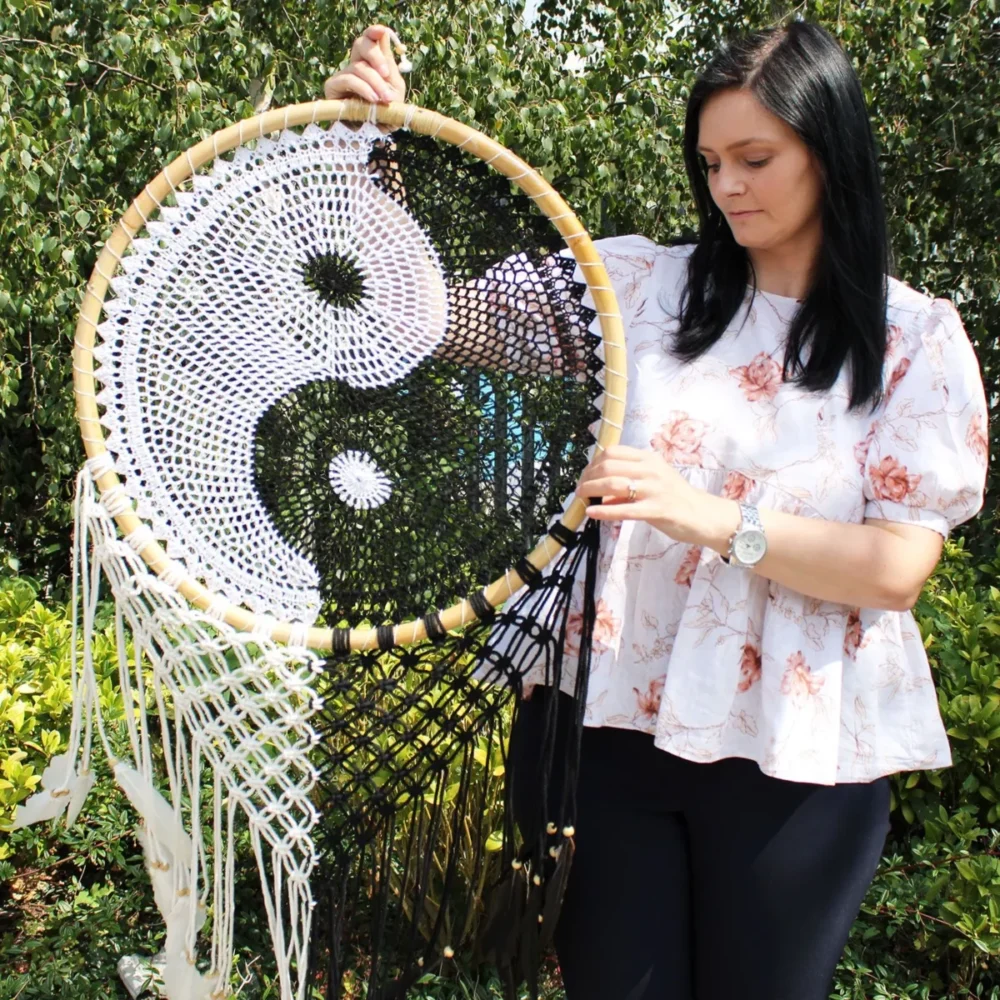
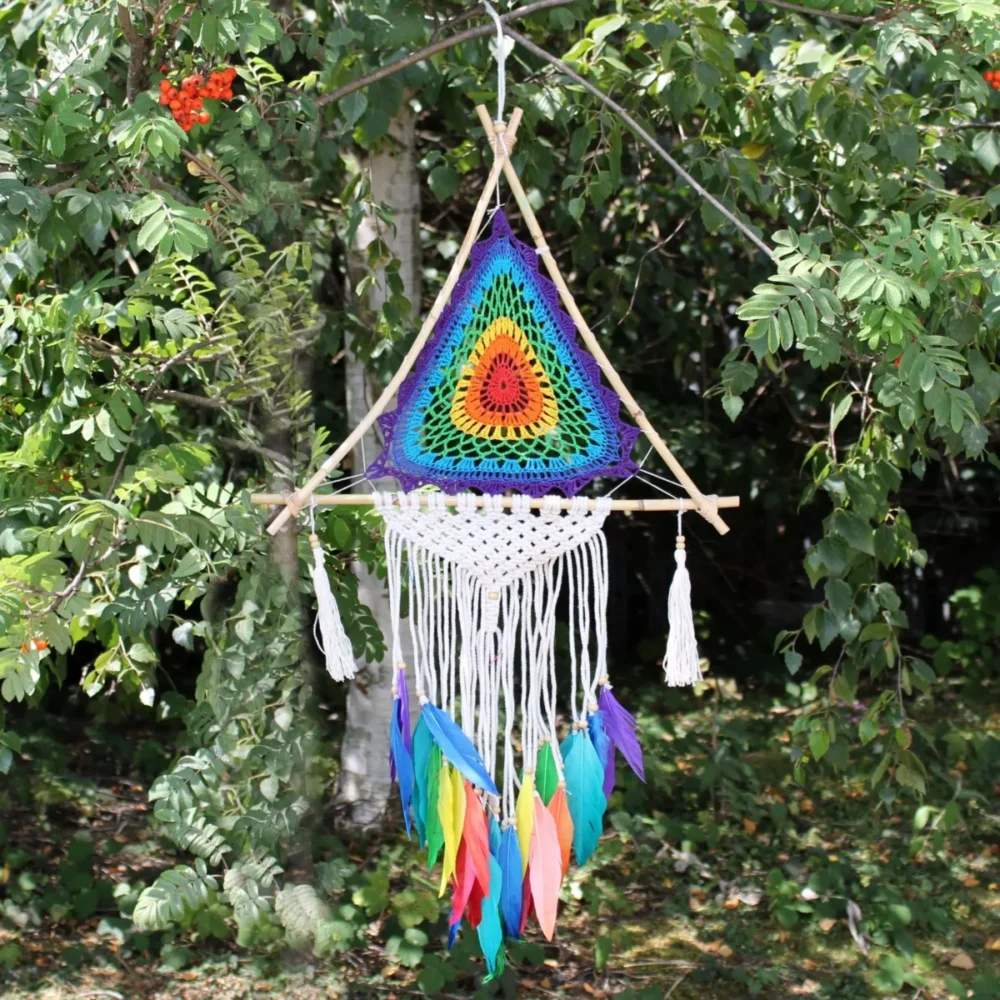
Dreamcatchers became widely commercialised during the twentieth century. As they travelled beyond Ojibwe communities, their designs shifted. Large hoops, bright dyed feathers, crystals, elaborate macramé and mass-produced versions became common. For many people, they came to represent peaceful sleep, positive energy or a connection with nature.
Those personal associations can be sincere. A person might hang one in their room because it reminds them to rest, set boundaries around their energy, or create a calmer evening ritual. The tricky bit is claiming that every dreamcatcher automatically performs a spiritual function, or presenting it as a mystical accessory without acknowledging where it came from.
There is a difference between saying, “This helps my room feel restful,” and saying, “This ancient object guarantees spiritual protection.” The first is a personal experience. The second makes a much bigger claim and can flatten a rich cultural tradition into a product promise.
Spiritual object, decorative piece, or both?
It depends on intention, context and craftsmanship. A dreamcatcher made by an Indigenous artist or community member may carry cultural knowledge and spiritual significance that a factory-made decorative version does not. A handmade piece created with care may still be meaningful to its maker or owner, even if it is not a traditional ceremonial object.
For some households, it is simply wall art: textured, colourful, and far more interesting than beige décor pretending to have a personality. For others, it is part of a bedtime practice. They may pause beneath it to release the day’s worries, write down a troubling thought, or focus on the kind of rest they want to invite in.
Neither approach needs to be mocked. What matters is being clear about what you are bringing into your home. Enjoying a beautiful object is fine. Treating another culture’s spiritual heritage as a costume, a joke or a shortcut to looking enlightened is where things start to feel off.
A note on feathers and materials
Traditional dreamcatchers were often made from biodegradable materials because they were not necessarily meant to last forever. Modern designs can include cotton cord, metal rings, glass beads, faux feathers, crystals and fabric tassels. These can be gorgeous, but they are contemporary interpretations rather than proof of traditional authenticity.
If a seller claims a dreamcatcher is handmade, Indigenous-made, traditional or spiritually blessed, look for clear and specific information. Vague phrases such as “tribal style” or “ancient healing décor” are usually a red flag. Respect starts with not using someone else’s identity as a marketing mood board.
How to display a dreamcatcher respectfully
You do not need a rulebook or a perfectly curated moonlit altar. A little thought goes a long way. If you choose a dreamcatcher for your home, treat it as an item with a story rather than a random filling for an empty wall.
Start by learning its Ojibwe origins and sharing that context if someone asks about it. If possible, choose work from Indigenous makers, where the artist, nation or community is named transparently. This supports people connected to the tradition rather than rewarding businesses that borrow its visual language without giving anything back.
Placement can be practical as well as personal. Traditionally, dreamcatchers are associated with sleeping spaces, so near a bed or in a nursery makes sense. Yet there is no need to force a spiritual purpose. A reading corner, meditation area or cosy guest room can suit one too, especially if it helps create a softer, more intentional atmosphere.
Keep the surrounding space personal. Pair it with colours you love, gentle lighting, a favourite candle scent, plants, meaningful photographs or a journal for end-of-day brain dumps. The point is not to create an Instagram-perfect “spiritual corner”. It is to make a space that actually feels like yours.
Can a dreamcatcher improve sleep?
A dreamcatcher is not a medical treatment for insomnia, nightmares, anxiety or trauma. If poor sleep is becoming a regular struggle, practical support matters: a consistent routine, less late-night scrolling, speaking to a GP where appropriate, and professional help for persistent distress.
Still, symbols can shape habits. Hanging a dreamcatcher near your bed might become a useful cue to wind down. Each evening, you could switch off the bright overhead light, make a caffeine-free tea, put your phone across the room and take a few slower breaths. The dreamcatcher has not done the work for you, but it has helped mark the moment when the day can stop demanding your attention.
That is a grounded kind of magic. It respects both the object’s cultural roots and your own need for comfort.
Choosing a meaningful gift without making assumptions
Dreamcatchers can make thoughtful presents for someone who loves alternative interiors, mindful rituals or colourful, handmade-looking details. They are especially appealing when a standard candle or predictable picture frame feels far too safe. But ask yourself whether the recipient would appreciate the cultural context and whether the piece suits their taste.
Avoid giving one as though it is a cure for someone’s nightmares or a guarantee of protection. A gentler message works better: “I saw this and thought it would add a peaceful touch to your space.” If you want the gift to lean into relaxation, pair the idea with something practical such as a journal, calming home fragrance or soft lighting rather than piling on dramatic spiritual claims.
At Funky Stride, the best kind of alternative gift is one with personality and purpose, not just a loud design. A dreamcatcher can absolutely bring colour, texture and a sense of calm to a room. It is even better when its story is given the same care as its style.
Let yours be a reminder to rest well, choose thoughtfully and keep your home full of things that mean more than “I needed something for that blank bit of wall.”
Are Dreamcatchers Spiritual? Summary
| Feature / Dimension | Insight from Article | Commercial / Display Value |
| Cultural Origin & Meaning | Originated with Ojibwe (Anishinaabe) people (asabikeshiinh, connected to Spider Woman and protection for children/families); not a fixed generic symbol. | Honours authentic background; adds meaningful storytelling over copy-paste gift items. |
| Traditional vs. Modern Materials | Traditional: biodegradable (willow hoops, sinew, feathers/beads). Modern: cotton cord, metal rings, glass/crystals, faux feathers, fabric tassels. | Contemporary interpretations offer gorgeous texture while respecting that they differ from traditional artifacts. |
| Placement & Atmosphere | Traditionally near beds/nurseries, or suitable for reading corners, meditation spaces, and guest rooms. Pair with personal colours, gentle lighting, plants, or a journal. | Helps create a softer, intentional room atmosphere rather than an artificial “spiritual altar”. |
| Sleep & Ritual Role | Not a medical treatment for insomnia/anxiety, but acts as a physical cue to wind down (turning off lights, tea, breathing). | Grounded comfort that respects both psychology and cultural integrity. |
| Ethical Sourcing & Gifting | Look for named Indigenous makers/transparent provenance; avoid vague red-flag terms like “ancient healing decor”. Gift with gentle phrasing rather than medical/spiritual guarantees. | Aligns with thoughtful, personality-driven alternative gifting (Funky Stride approach). |
Product / Article Q&A
Q: Are dreamcatchers spiritual?
A: Yes, they have sacred cultural roots connected to Ojibwe/Anishinaabe teachings (Spider Woman, protection, family), though modern commercial pieces can also function as personal decorative or mindful wind-down cues.
Q: Where do dreamcatchers originally come from?
A: They originate with the Ojibwe people (Anishinaabe communities, Indigenous peoples of North America), where the traditional object is called an asabikeshiinh.
Q: Can a dreamcatcher improve sleep clinically?
A: No, a dreamcatcher is not a medical treatment for insomnia, nightmares, or anxiety, though it can serve as a physical wind-down cue in a bedtime routine.
Q: What materials are used in traditional vs. modern dreamcatchers?
A: Traditional versions used biodegradable materials like willow hoops and sinew webbing, whereas modern designs frequently use cotton cord, metal rings, glass beads, faux feathers, and crystals.
Q: How can I display a dreamcatcher respectfully?
A: Treat it with a story rather than random wall filler, learn and share its Ojibwe origins, source transparently from Indigenous makers where possible, and place it thoughtfully near a bed, reading corner, or cosy space.