


Your socks do a surprisingly big job. They cushion your commute, survive gym sessions, keep toes cosy under boots and quietly decide whether your feet feel fresh or fussy by lunchtime. When it comes to cotton socks versus bamboo socks, there is no one-fibre-fits-all winner. The best choice depends on your day, your shoes and whether your personal style leans towards practical basics or full-on colourful foot flair.
Both fabrics can make brilliant everyday socks. But they feel different, handle moisture differently and ask for slightly different care. Here is the lowdown before you stock your drawer with pairs that are anything but boring.
Cotton socks versus bamboo socks: the quick answer
Choose cotton socks when you want a familiar, durable option with a soft feel, easy care and plenty of thickness choices. They are especially handy for trainers, work shoes, boots and anyone who likes a classic sock that can take regular wear.
Choose bamboo socks when softness, breathability and a smoother feel are high on your list. They can be a lovely option for long days on your feet, warmer weather and anyone who finds scratchy fabrics deeply irritating.
The plot twist? Most socks are blends. A cotton or bamboo-based yarn is often mixed with nylon, polyester or elastane so the sock keeps its shape, stays up and lasts longer. That is not a flaw. A little stretch is often what turns a nice fibre into a sock you genuinely want to wear again.
How cotton socks feel on the feet
Cotton is the old reliable of the sock world. It is a natural plant fibre, comfortable against skin and available in almost every weight, colour and pattern imaginable. From thin ankle socks to thick, ribbed boot socks, cotton has range.
A good cotton sock feels soft, breathable and reassuringly substantial. It works well when you need a bit more padding between your foot and a shoe, particularly with chunky trainers, walking boots or heavier work footwear. Cotton can also be a strong pick in cooler weather because thicker knitted styles hold a pleasing amount of warmth.
Its main drawback is moisture. Cotton absorbs sweat readily, but it can take longer to dry once damp. If your feet tend to perspire heavily, a soggy cotton sock can feel less than glorious after a busy day. That does not mean cotton is automatically off the table. Look for lighter knits, breathable construction and blends containing fibres that improve drying and shape retention.
Cotton is also wonderfully easy-going in the wash. Most cotton-blend socks cope well with normal laundry routines, though checking the label is still wise if your pair features delicate detailing, metallic threads or especially vibrant colours.
Cotton is brilliant for everyday variety
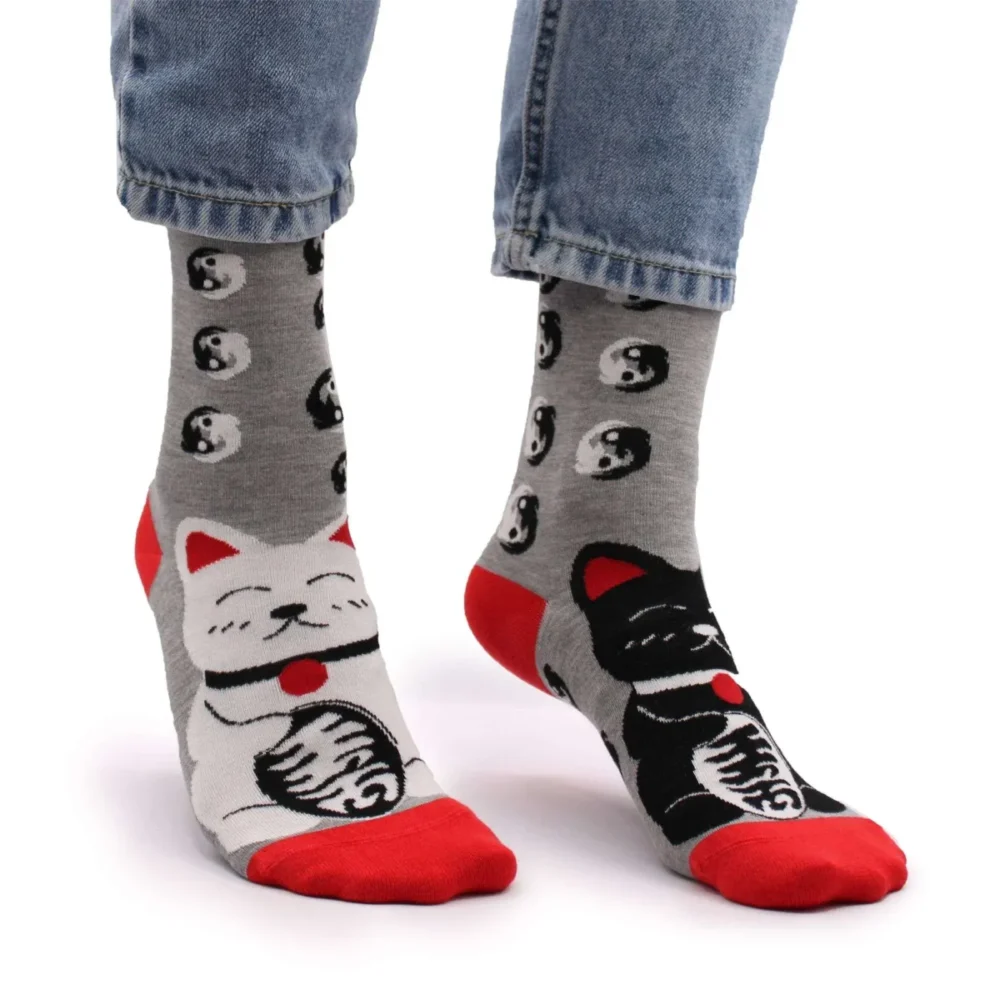
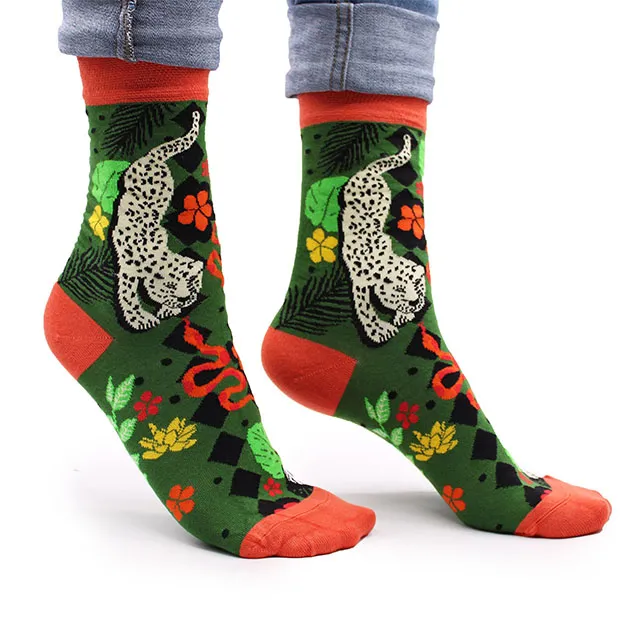
If your sock drawer is a riot of stripes, cheeky motifs, mushroom prints, bold colours and gift-worthy patterns, cotton is likely to feature heavily. It accepts dye well and offers a great canvas for personality-led designs. A pair of socks can be a tiny act of self-expression, even if only your shoes know about it until the pub.
What makes bamboo socks different?
Bamboo socks have built a loyal following because they often feel exceptionally smooth and soft. Many people describe them as silkier than standard cotton, without the precious, special-occasion fuss. For feet that dislike rough seams or stiff fabric, that gentler texture can make a real difference.
Bamboo-based fabric is often praised for helping manage moisture. It can draw moisture away from the skin and can feel cooler and drier than a heavier cotton sock, particularly in light- to mid-weight styles. That makes bamboo a popular choice for office days, travelling, yoga, summer walks and anyone who spends hours in trainers.
There is an important bit of label-reading here. The material in many bamboo socks is bamboo viscose, sometimes called rayon from bamboo. Bamboo starts as a fast-growing plant, but turning it into a soft, spinnable viscose fibre involves industrial processing. So while bamboo has appealing qualities, it is not automatically the planet-perfect choice simply because a bamboo plant is involved.
A more useful approach is to consider the whole picture: how long you will wear the socks, whether they are well made, what they are blended with and how you care for them. A joyous pair you wear repeatedly beats a disposable, forgettable pair every time.
Bamboo socks can be kinder to sensitive feet
The soft, smooth finish of bamboo viscose can be particularly appealing if you are prone to skin sensitivity or simply hate the feeling of coarse fabric. Some bamboo socks also feature hand-linked or flatter toe seams, which can reduce that annoying ridge across the toes.
That said, comfort is not just about fibre. A badly sized bamboo sock can bunch, slip or pinch just as readily as any other sock. Always check sizing, cuff tightness and whether the style is designed for everyday wear, sport or lounging about with a candle on and absolutely no plans.
Warmth, breathability and sweat: what really changes?
For warmth, thicker cotton usually has the edge. A substantial cotton-rich sock feels cosy and protective in boots, particularly during chilly British mornings. Bamboo can still provide warmth, but lightweight bamboo socks are more often chosen for their breathable, less bulky feel.
For breathability, bamboo tends to feel airier in comparable lightweight styles. Cotton is breathable too, but once it becomes very damp, it may stay that way longer. If you are packing for a city break with lots of walking, a bamboo blend may feel fresher in lighter shoes. If you are heading out in sturdy boots in cold weather, a thicker cotton blend may feel more comfortable.
For serious sport or long hikes, neither label alone tells the whole story. Look for socks designed for activity, with targeted cushioning, a supportive arch, reinforced heels and technical moisture-managing fibres. Your novelty socks deserve respect, but your longest walk of the year may call for something purpose-built.
Durability and fit matter more than the headline fibre
A sock that slides into your shoe, twists around the heel or develops a hole after three washes is not a bargain. Cotton fibres can be very durable, especially in a well-constructed blend. Bamboo viscose can be softer but may be less hard-wearing when used alone, which is why bamboo socks commonly include nylon or polyamide for reinforcement and elastane for stretch.
Pay attention to the heel and toe areas. These take the most friction, so reinforcement is worth having. A ribbed cuff should hold comfortably without leaving a deep mark, while the foot should fit snugly without feeling compressed. If you are between sizes, the manufacturer’s guidance matters more than guessing based on your usual shoe size.
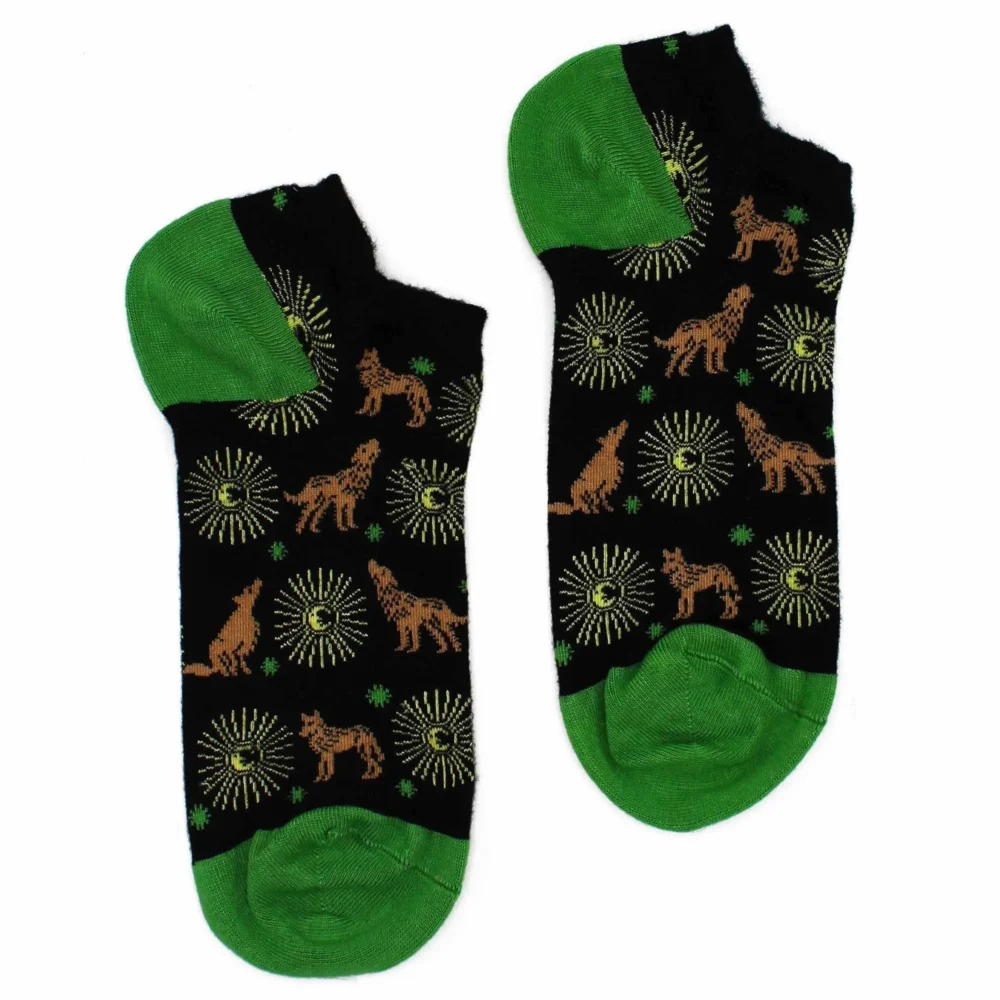
The right fit also protects the pattern. Those funky frogs, cosmic moons or bright fruit prints look far better when the fabric sits smoothly rather than stretching into a distressed abstract painting.
Caring for cotton and bamboo socks
Both types last longer when you skip the scorched-earth laundry approach. Wash socks inside out to reduce friction on the outer design and help remove lint and sweat from inside the foot. A cooler wash is usually kinder to elastic fibres and bright colours, while avoiding fabric softener can help technical or moisture-managing fibres do their job.
Air-drying is ideal when possible. High heat from a tumble dryer can gradually weaken elastane, causing cuffs to lose their bounce. If you do tumble dry, use a gentler setting and do not leave socks cooking in there for hours after the cycle ends.
Keep pairs together from the start by using a small laundry bag or clipping them before they go in the wash. It is not glamorous, but neither is discovering that your favourite patterned sock has become a one-legged mystery.
Which socks make the better gift?
For a safe, everyday present, cotton socks are wonderfully easy to choose. They are familiar, versatile and available in every possible mood, from loud and playful to cosy and classic. They suit the friend who wears boots all winter, the dad who claims he does not want anything, and the person who absolutely does want colourful socks but has not admitted it yet.
Bamboo socks feel a little more considered. They make a thoughtful choice for someone who prioritises softness, comfort or lighter everyday layers. A bright bamboo blend can pair practical comfort with proper personality, which is exactly where a good gift stops being generic.
At Funky Stride, the best sock choice is not about obeying a fabric rulebook. It is about picking the pair that suits the person: their colour obsession, their footwear habits, their weekend plans and their refusal to settle for beige boredom.
The pair worth reaching for
Go cotton when you want dependable cushioning, classic comfort and a bold pattern that can handle everyday life. Go bamboo when your feet crave a softer, smoother and often lighter-feeling option. If you love both, make room for both. Build a drawer with cotton for boots and cooler days, bamboo for lighter shoes and long stretches on the move, and a few gloriously expressive pairs for whenever your outfit needs a little extra funk.
After all, the best socks are the ones you actually reach for on a Monday morning – and feel slightly happier wearing before you have even left the house.
Cotton socks versus bamboo socks
| Feature | Cotton Socks | Bamboo Socks |
| Best Suited For | Daily wear, trainers, boots, and durable work footwear. | Warm weather, long days on your feet, and sensitive skin. |
| Key Strengths | Reliable durability, familiar soft feel, easy care, and versatile thickness options. | Exceptional softness, heightened breathability, and an ultra-smooth finish. |
| Common Blends | Mixed with nylon, polyester, or elastane for structure and longevity. | Blended with synthetic fibres to retain shape, stay up, and boost durability. |
Qand A: Cotton socks versus bamboo socks
Q: When should I choose cotton socks over bamboo?
A: Cotton socks are the ideal choice when you are looking for a classic, familiar, and durable sock. They offer a soft feel, easy care, and a wide variety of thickness options, making them especially practical for daily wear with trainers, boots, and work shoes.
Q: What are the main benefits of bamboo socks?
A: Bamboo socks excel in softness, breathability, and a smooth, gentle texture. They are particularly well suited to warmer weather, long days spent on your feet, or for anyone who finds scratchy fabrics irritating to the skin.
Q: Why are most cotton and bamboo socks blended with other materials?
A: Blending natural fibres like cotton or bamboo with synthetic materials (such as elastane, nylon, or polyester) ensures the sock holds its shape, stays up on the leg, and withstands regular washing. This blend is not a flaw—it adds the essential stretch and durability needed to make socks genuinely comfortable for everyday wear.