
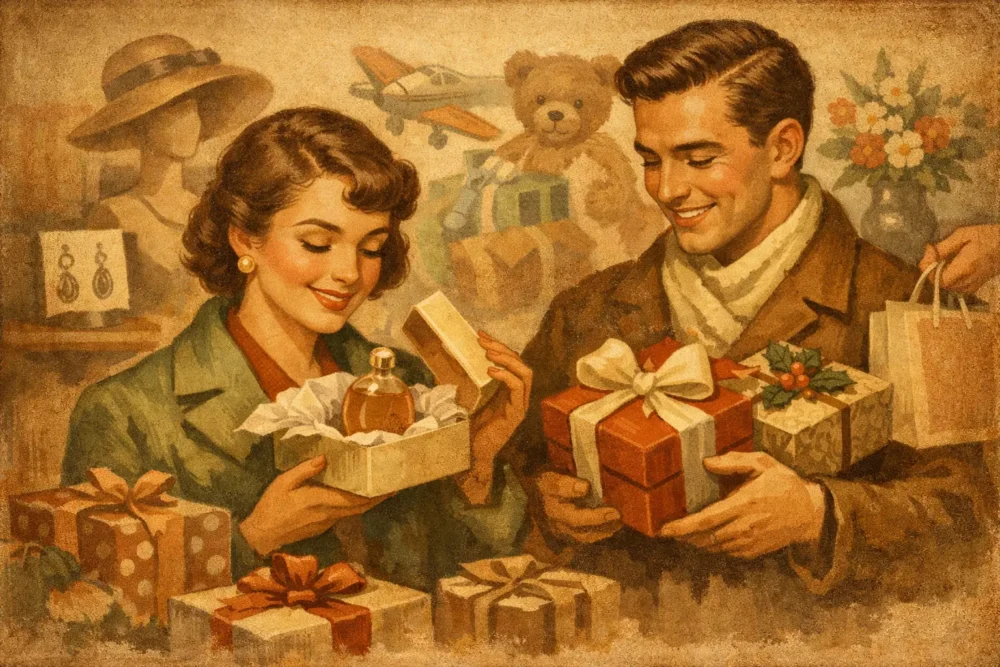
Some gifts get opened, smiled at politely, and quietly disappear into a drawer by Tuesday. Others land with a proper yes, that is so me. That reaction is exactly why gifting trends for expressive shoppers look different from the usual high-street parade of bland mugs, safe chocolates and last-minute panic buys. People want presents with personality now – not just something nice, but something that feels like them.
That shift matters if you shop for people who wear their taste proudly. The friend with a flat full of candles, plants and moon-phase décor. The sibling who lives in slogan socks and oversized layers. The partner who would always choose a crystal set, herbal tea blend or festival-ready kit over another predictable gift set. Expressive shoppers are not chasing expensive for the sake of it. They are chasing identity, atmosphere and feeling.
Both of our stores are on trend right now. Funkystride retails alternative gifts for hippies, yoga lovers and spiritual folk, while The Hidden Hatch covers Gothic gifts and collectables, with new lines landing in both stores every week.
Why gifting trends for expressive shoppers are changing
The old idea of a “good gift” used to lean heavily on price, polish and how universally acceptable it looked. Now, the stronger trend is emotional relevance. A present feels better when it says, I know your vibe. That can mean colour, humour, comfort, ritual, nostalgia or a slightly eccentric twist that makes it memorable.
There is also a clear move away from one-note gifting. People are mixing aesthetics and interests much more freely than they used to. Someone can be into yoga and gothic homeware, spiritual tools and silly socks, calming aromatherapy and loud jewellery. The modern gift buyer has stopped trying to fit people into neat little categories, which is good news for anyone bored of generic retail.
Another reason for the shift is simple: people are curating their homes, wardrobes and routines more intentionally. If someone cares about the ambience of their living room, the scent in their space, the message on their clothing or the objects on their shelf, they are far more likely to love a gift that feeds that self-expression.
The biggest trends shaping expressive gifting
Mood-first gifts are beating purely practical ones
Useful still matters, but only if it has character. That is why home fragrance, candles, wax melts, cosy accessories and feel-good homeware are having such a strong moment. These gifts do a job, but they also shape mood. They make a room feel warmer, a night in feel better, or a self-care routine feel less rushed.
This trend works because expressive shoppers are often buying into a feeling as much as an object. A lamp with personality, a candle with a rich scent profile, or a textured throw can say more than a standard practical gift ever could. The trade-off is that taste matters. If you know the recipient loves bold colour and unusual interiors, go expressive. If their style is more pared back, choose mood-led gifts in subtler tones.
Wellness has become more personal
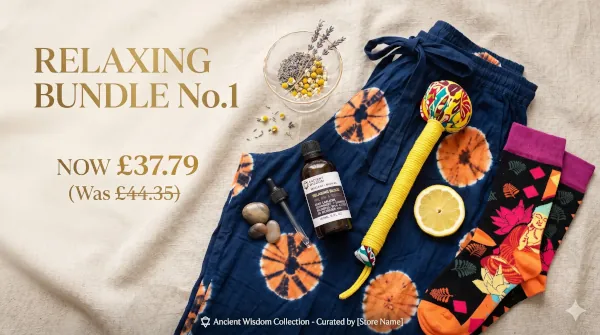
The wellness trend is still going strong, but it has grown up a bit. People are less interested in sterile, one-size-fits-all wellbeing products and more interested in rituals that feel personal. Aromatherapy items, massage tools, herbal teas, yoga accessories and calming home touches all fit this shift.
What makes this trend interesting is that it is no longer about presenting an ideal version of health. It is about helping someone build moments that feel grounding, comforting or energising in a way that suits their lifestyle. For one person, that might be a yoga-inspired gift. For another, it might be bath-time essentials, a soothing candle and a mug for their bedtime brew. Wellness gifting lands best when it feels generous rather than preachy.
Spiritual and mystical gifts have gone mainstream – but not boring
Crystals, tarot-inspired pieces, moon motifs, incense holders and magical décor are no longer niche in the way they once were. They are part of a wider appetite for gifts with symbolism, intention and a bit of mystique. For expressive shoppers, this category works because it feels personal and visually distinctive at the same time.
That said, this is one area where context matters. If the recipient is genuinely into spiritual practice, you can lean into it. If they simply like the aesthetic, keep it lighter and more decorative. The difference between thoughtful and try-hard often comes down to how well you know the person.
Wearable gifts are getting louder, softer and more inclusive
Clothing and accessories are still classic gift territory, but the strongest trend is away from stiff, formal gifting and towards pieces with humour, comfort and attitude. Think expressive socks, relaxed layers, playful prints and jewellery that says something without trying too hard.
There is also a growing appetite for inclusive gifting – pieces that celebrate identity, body comfort and everyday wearability. That makes sense. People are far more likely to love a gift they will actually wear than something chosen because it looked traditionally impressive in a box.
The only real risk here is sizing and personal style. If you are unsure, accessories are usually the safer route. Jewellery, scarves, bags and standout socks still bring personality without the guesswork of fit.
What expressive shoppers really want from a gift
They want evidence that you paid attention. Not in a creepy, overthought way – just enough to show you noticed what they are into. The scents they choose. The colours they wear. The music they love. The kind of evenings they enjoy. The little running jokes they always come back to.
They also want gifts that feel discoverable. There is a big difference between something they could have grabbed in any supermarket aisle and something that feels curated. That is why eclectic gifting works so well right now. A great present often feels like a find.
And yes, presentation still matters. Expressive shoppers are usually visually led to some degree, so the overall look of a gift counts. That does not mean expensive wrapping or elaborate styling. It means cohesion. If the gift feels like it belongs to their world, you are on the right track.
How to shop these gifting trends without getting it wrong
Start with the recipient’s lifestyle, not the occasion. Birthdays, Christmas and thank-you gifts all matter, but expressive gifting works best when you think beyond the event itself. Ask what they actually enjoy doing, wearing or surrounding themselves with. A cosy homebody, a festival regular and a wellness lover may all like “different” gifts, but not the same kind of different.
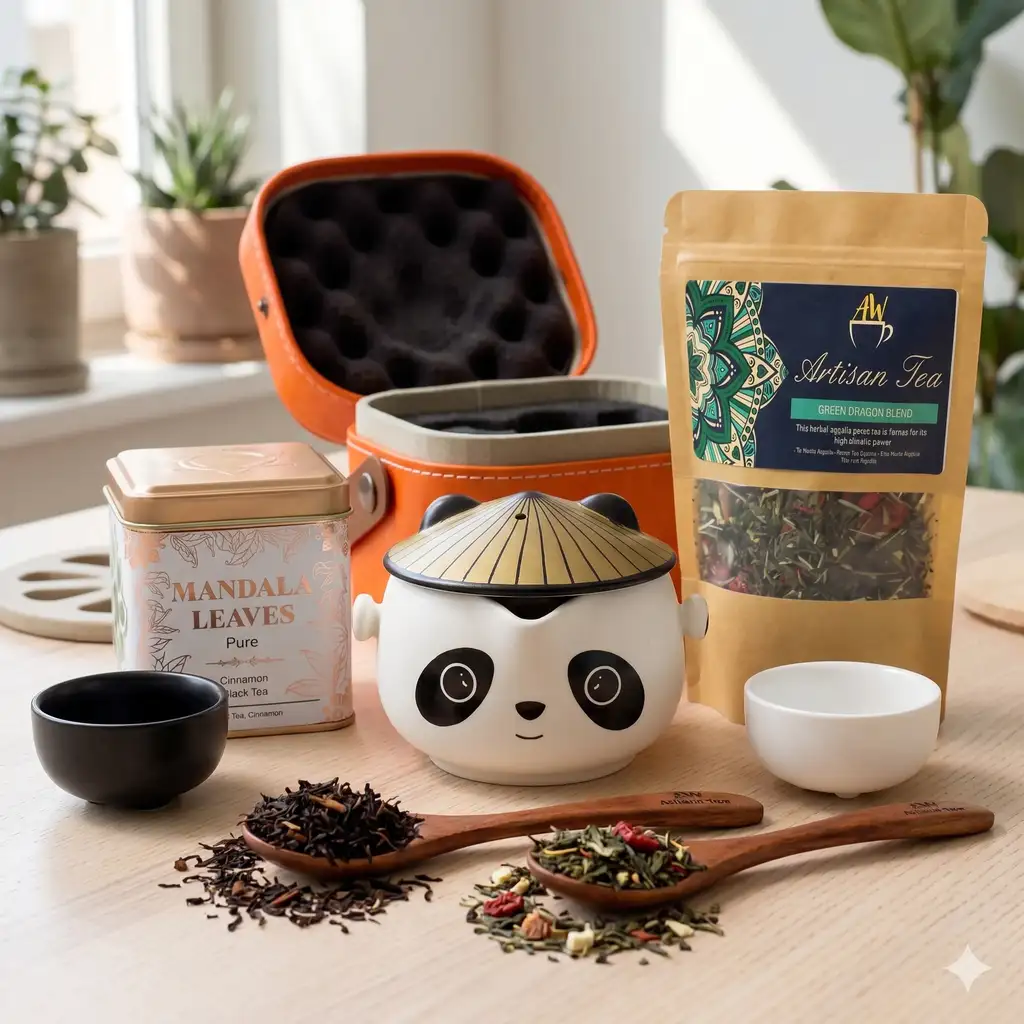
Then think in combinations rather than single items. A personality-led gift often lands better when it creates a little scene or experience. A candle and wax melt pairing. A tea selection with a soothing mug. A yoga accessory with a calming room scent. A pair of bold socks tucked in with a cheeky card. It feels less random and more considered.
This is also where a curated shop earns its keep. When a retailer is already focused on unusual, feel-good and anti-boring finds, it is much easier to build a gift that feels coherent rather than cobbled together. Funky Stride fits that mood well because the whole point is choosing presents with more colour, comfort and character.
Trends worth watching next
One rising trend is cross-category gifting. People are no longer shopping in tidy lanes like beauty, fashion or home. They are mixing them. A gift might combine scent, décor, humour and comfort all at once. That is especially useful for expressive shoppers, because identity rarely sits in one neat box.
Another is the move towards smaller but more specific presents. Shoppers are getting better at understanding that a wildly accurate small gift can beat a larger generic one. A quirky piece of homeware, a scent that matches someone’s whole energy, or an accessory that feels perfectly on-brand often wins because it feels seen.
There is also more confidence around buying gifts that are a bit playful, niche or unexpected. For years, people played it safe because they were afraid of getting it wrong. Now the bigger risk is often being forgettable. That does not mean going weird for the sake of it. It means choosing with a bit more nerve.
The best gifting trends for expressive shoppers all point in the same direction: people want less filler, more feeling. Less bland approval, more genuine connection. A good gift does not need to shout, but it should have something to say.
So if you are staring down another occasion and refusing to buy the same tired present everyone else will, trust the person’s taste. Follow the colour, the comfort, the ritual, the humour or the little bit of magic they already love – and buy like you mean it.