

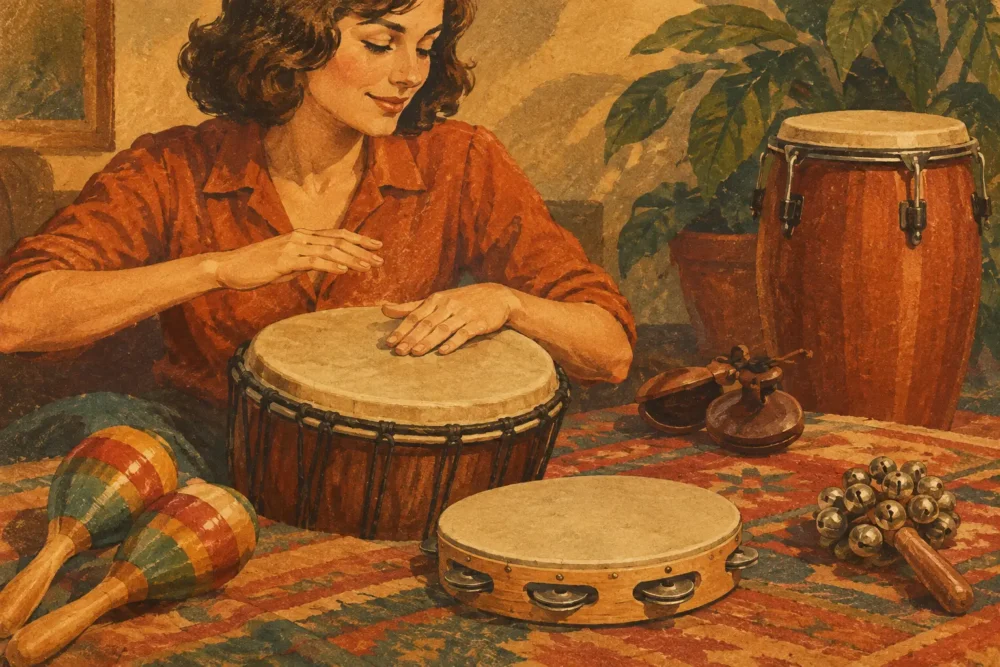
A rhythm instrument is one of those rare gifts that can turn a quiet Tuesday evening, a campsite singalong or a living-room get-together into something properly memorable. This guide to hand percussion instruments is here for anyone who wants more sound, colour and personality in their music – with none of the boring, overly technical fuss.
You do not need to read music, own a studio or have a lifelong ambition to join a band. Hand percussion is wonderfully immediate: pick it up, find a pulse and have a play. From bright little shakers to resonant hand drums, these instruments make brilliant presents for music lovers, festival regulars, curious beginners and people who simply like having interesting things around their home.
Why hand percussion never feels ordinary
Hand percussion means instruments played mainly with your hands, fingers or simple handheld beaters. It covers everything from a pocket-sized egg shaker to a full-bodied djembe drum. What connects them is the physical, satisfying experience of making rhythm yourself.
Unlike an instrument that demands weeks of scales before it makes a pleasing sound, percussion gives you a result straight away. Shake, tap, slap or scrape, and you are part of the beat. That makes it a wonderfully low-pressure way into music for adults and children alike.
It also works brilliantly beyond formal music-making. A tambourine can lift an acoustic jam. A shaker can bring a little pulse to yoga, dance or meditation sessions. A frame drum can become the focal point of a relaxed drum circle. Even one well-chosen piece looks fantastic on a shelf, ready for the next spontaneous moment.
The trade-off is volume. A quality hand drum is designed to be heard, which may not delight everyone in a shared flat. If quiet, portable fun is the priority, start with a small shaker, claves or finger cymbals rather than a deep drum.
Your guide to hand percussion instruments: the main types
The best choice depends less on what looks most impressive and more on how the recipient will use it. Think about the sound they love, the space they have and whether they want to join in casually or learn a few proper techniques.
Shakers, maracas and egg shakers
Shakers are the cheerful entry point into hand percussion. Their sound comes from small beads, seeds or pellets moving inside a sealed body, and changing the movement changes the rhythm. Shake them sharply for an energetic pulse or move them gently for a soft, sandy swish.
Egg shakers are small enough to fit in a coat pocket and are ideal for beginners, children and travelling music-makers. Maracas tend to have handles and a more dramatic look, making them a fun gift for someone who likes their instruments as expressive as their wardrobe. A pair often creates a fuller stereo-style effect, but one shaker is enough to get a groove going.
Tambourines
A tambourine gives you both jingle and drum sound. Tap the head with your fingers, strike the rim, shake it for a sparkling flourish or use your thumb to create a rolling pattern. It is an easy instrument to recognise, but there is far more to it than rattling it at the chorus.
Look at the construction before choosing one. A tambourine with a drum head offers more playing options, while a headless version is lighter and great for bright, crisp jingles. Metal jingles cut through a busy room; wood or softer materials can sound warmer and less piercing. It depends whether the player wants folk-session energy or something gentler for home use.
Bongos and djembes
For hands-on rhythm with real presence, small drums are hard to beat. Bongos are a pair of connected drums with different pitches. They reward simple patterns and feel sociable, playful and instantly familiar. A bongo set is a cracking choice for somebody who wants to sit down with friends and add rhythm without needing an enormous instrument.
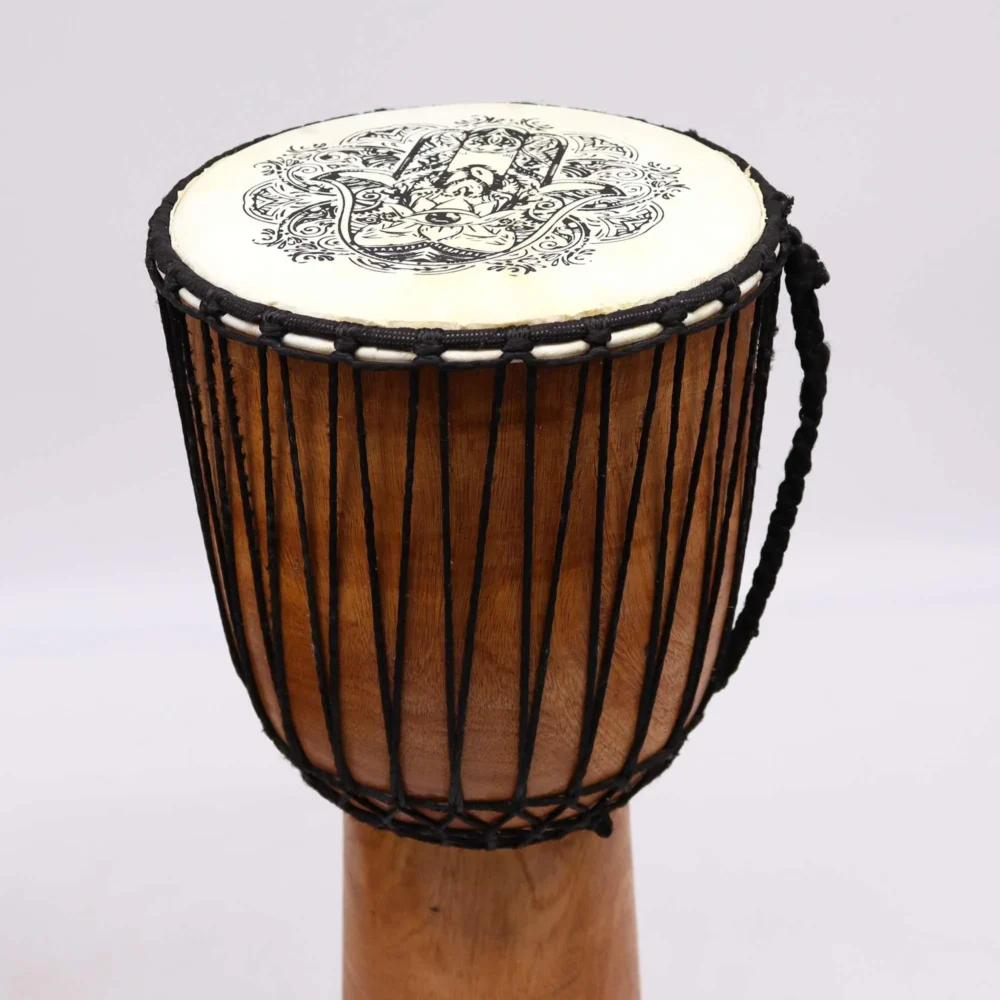
A djembe is taller, with a goblet shape and a richly powerful voice. Play the centre for a deep bass note and nearer the edge for a sharper tone. It can be hugely expressive, but it takes up more room and can get properly loud. Choose a smaller djembe for a beginner or a gift recipient with limited space, and save a large one for someone ready to make some noise.
Frame drums and bodhrán-style drums
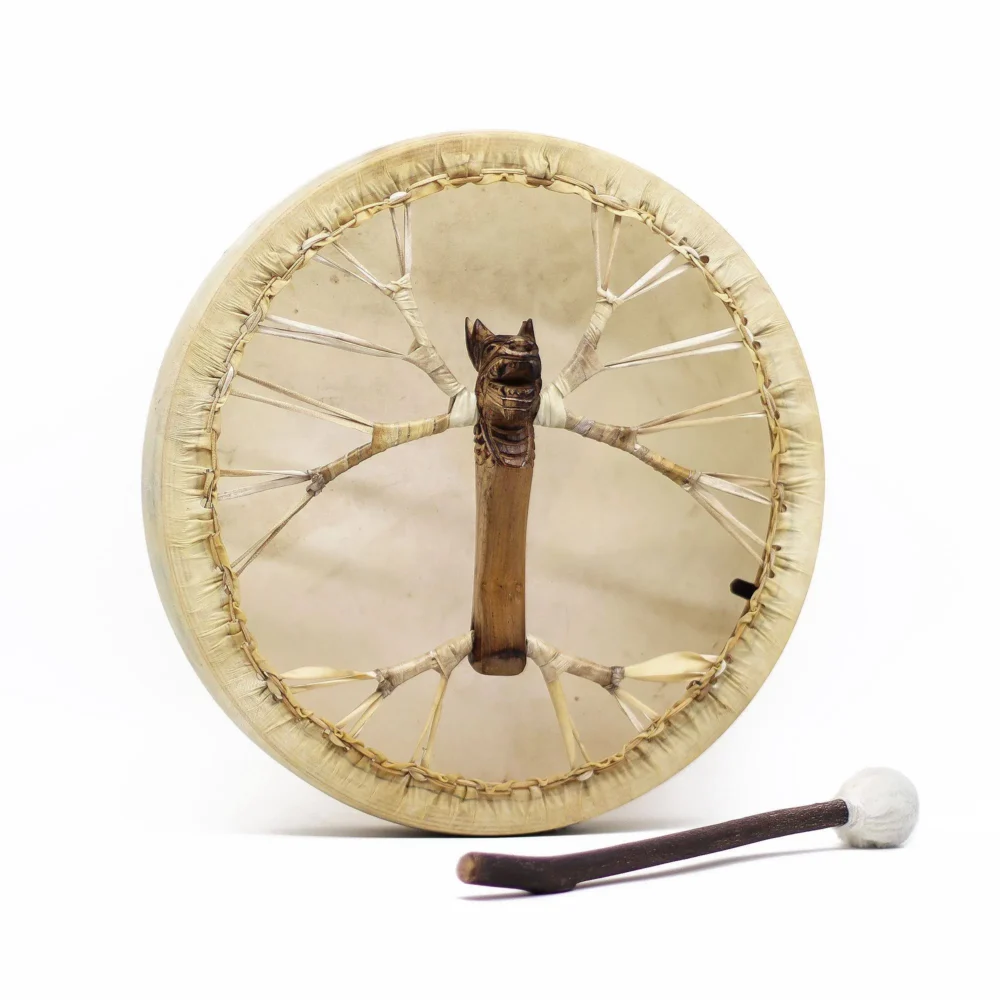
Frame drums are among the oldest drum designs around: a shallow circular frame with a stretched skin or synthetic head. Their sound can be earthy, rounded and meditative, especially when played with fingertips and the palm. They suit slow, intentional playing as much as lively folk rhythms.
Some are played by hand, while bodhrán-style instruments are often played with a tipper. That makes them a good choice for someone drawn to traditional folk music, Celtic sounds or more detailed rhythmic patterns. If the gift is for a complete beginner, a simple hand-played frame drum can feel less intimidating.
Claves, wood blocks and finger cymbals
Small percussion does not mean small impact. Claves are two wooden sticks struck together to make a clear, cutting click. They are simple, satisfying and excellent for learning timing because every beat is exposed. There is nowhere for a wobbly rhythm to hide, which is useful rather than scary.
Wood blocks bring a warmer, hollow knock, while finger cymbals offer a delicate metallic ring. These are lovely additions for dance, sound baths, theatre games or a mixed percussion basket. They are also easier to store than a drum, making them thoughtful choices for someone with a cosy home and an appreciation for unusual objects.
How to choose without getting lost in the noise
Start with the player, not the instrument. A confident extrovert who hosts garden gatherings may adore a djembe or bongo set. Someone who enjoys yoga, mindful rituals or mellow acoustic music may connect more with a frame drum, soft shaker or finger cymbals. A festival-loving friend might be happiest with something lightweight that can travel easily.
Material affects both the look and the sound. Natural wood and skin-headed drums can feel warm, characterful and handmade, but they may respond to changes in temperature and humidity. Synthetic heads are usually more predictable and practical, particularly for younger players or instruments likely to be taken outdoors. Neither is automatically better. It is a question of character versus convenience.
Size matters too. Larger drums usually offer deeper tones, but they demand more storage space and are less easy to carry. A compact instrument gets used more often when it can live by the sofa, in a backpack or on a shelf rather than hidden at the back of a cupboard.
If you are buying for a child, choose something comfortable to hold, sturdy enough for enthusiastic playing and free from tiny detachable parts. For adults, do not assume they need something serious-looking. A colourful, quirky percussion piece can be exactly the point. Music should not have to dress in beige.
Making hand percussion sound better from day one
The secret is not hitting harder. It is listening. Ask a new player to find a steady pulse first by tapping slowly along with a favourite song. Once the beat feels settled, they can add a simple repeated pattern. Consistency has more groove than frantic complexity.
With drums, experiment with placement. The centre generally produces a lower, fuller tone, while the edge gives a brighter slap. With shakers, practise stopping the hand cleanly at the end of each movement so the sound does not spill across every beat. These tiny changes make a huge difference.
Playing with other people is where hand percussion really comes alive. One person can hold a simple pulse while another adds accents. There is no need to turn it into a performance. A relaxed kitchen-table jam, a fireside singalong or a living-room dance break will do nicely.
A gift with a bit more life in it
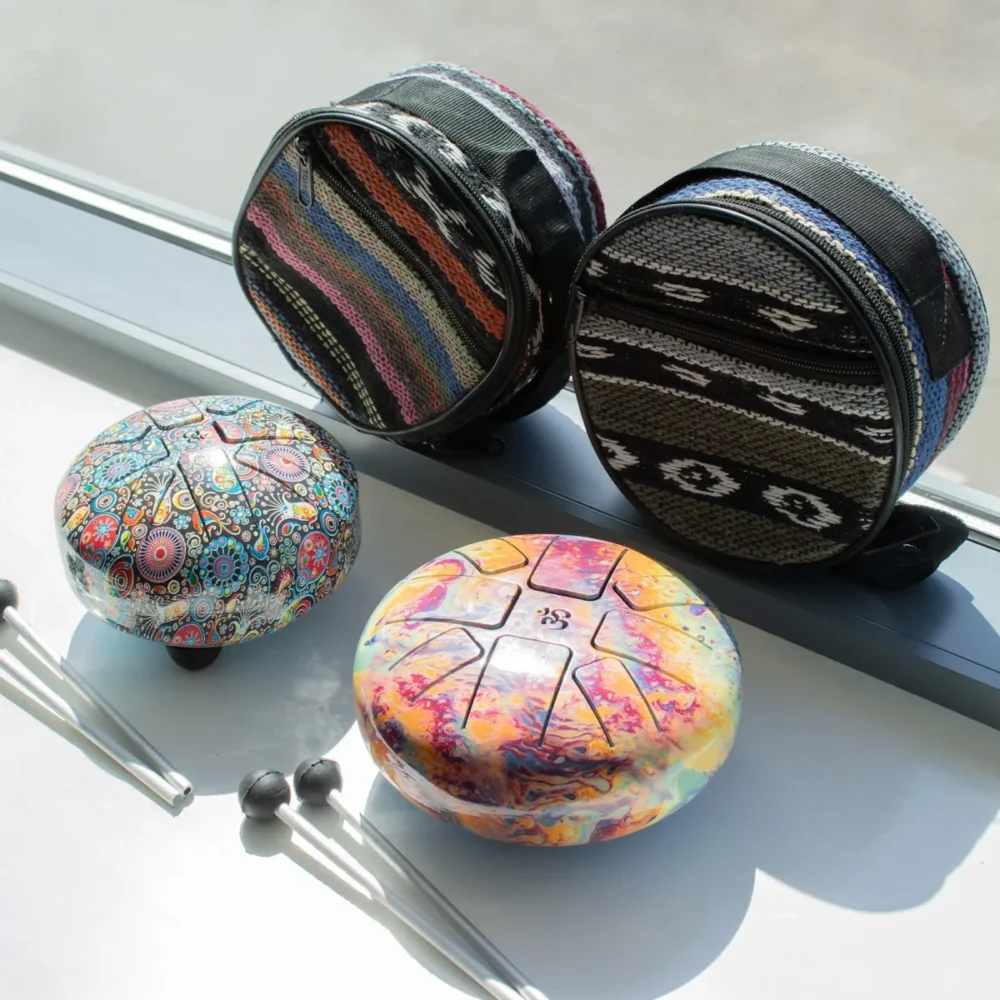
Hand percussion makes a brilliant alternative to the usual candle, mug or novelty socks – though there is absolutely room for all three in a properly joyful gift bundle. Pair a small shaker with a colourful bag for a festival friend, add a frame drum to a wellbeing-themed present, or choose finger cymbals for someone who loves dance and movement.
At Funky Stride, the best gifts are never chosen just to fill wrapping paper. They should say something about the person receiving them: their energy, their taste, their wonderfully non-mainstream streak. A percussion instrument says, quite simply, make some noise in your own way.
Pick the instrument that feels inviting rather than intimidating, put on a song with a good beat, and let the first imperfect rhythm happen. That is where the fun starts.
Hand Percussion Instruments Reference Table
| Instrument Category | Primary Characteristics | Ideal User or Environment |
| Shakers, Maracas & Egg Shakers | Portable, cheerful, activated by internal beads or seeds; allows soft swishes or sharp pulses. | Beginners, children, travelling musicians, and festival-goers. |
| Tambourines | Combines jingles and a drum head (or headless); offers crisp metallic or warm wooden tones. | Acoustic jams, folk sessions, or adding rhythmic flourish. |
| Bongos & Djembes | Deep resonant bass from the centre and sharp slaps from the edge; high presence and dynamic range. | Confident extroverts, social gatherings, and open spaces. |
| Frame Drums & Bodhráns | Shallow circular frames with stretched skin or synthetic heads; earthy, meditative, or folk-oriented sound. | Wellbeing spaces, yoga/meditation, or traditional Celtic/folk music. |
| Claves, Wood Blocks & Cymbals | Small footprint with sharp, clear clicks or delicate metallic rings; excellent for timing and precision. | Cosy homes, dance spaces, and mixed percussion baskets. |
Frequently Asked Questions
1. Why is hand percussion considered an accessible entry point into music?
Unlike instruments that require weeks of learning scales before sounding pleasant, hand percussion gives immediate results. Anyone can pick up a shaker or tap a drum, find a pulse, and start making music right away without needing to read sheet music.
2. What is the main trade-off to consider when choosing a hand drum?
Volume is the primary factor. A quality hand drum is designed to project sound, which might cause friction in shared living spaces. For quieter, portable fun, smaller instruments like egg shakers, claves, or finger cymbals are more suitable.
3. How should you select an instrument if you are buying a gift?
Focus on the player’s personality and lifestyle rather than choosing the most impressive-looking item. Extroverts who host social gatherings may enjoy a djembe or bongos, while someone into mindfulness or acoustic music may prefer a frame drum or soft shaker.
4. What are the advantages of synthetic drum heads over natural materials?
While natural wood and skin offer a warm, handmade character, they react to changes in temperature and humidity. Synthetic heads provide greater weather resistance, pitch stability, and predictability, making them ideal for younger players or outdoor use.
5. What is the secret to making hand percussion sound better from day one?
Success comes from listening rather than hitting harder. Finding a steady pulse, maintaining consistency, and understanding basic placement—such as striking the centre of a drum for a lower tone or the edge for a brighter slap—instantly improves the groove.