

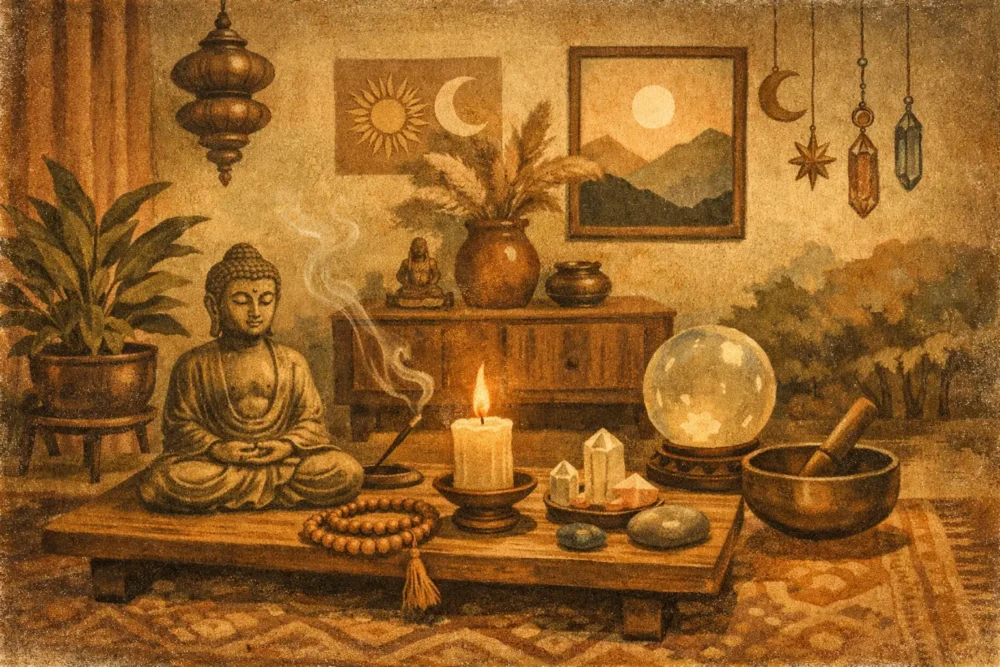
Some rooms look tidy but feel flat. Others have that instant exhale effect – softer energy, better mood, a sense that the space actually means something. That is where this guide to spiritual home decor comes in. It is not about turning your home into a yoga studio cliché or filling every shelf with moon signs and incense holders. It is about creating a space that feels grounded, expressive and genuinely yours.
Spiritual decor works best when it reflects how you want to live, not just how you want a room to photograph. Maybe you want a calmer bedroom, a more centring morning routine, or a living room that feels less bland and more alive. Good spiritual styling can support all of that, but only if you build it with intention rather than piling in random trend pieces.
Here at Funkystride our spiritual gifts lean hippy and yoga-inspired, but if you or your bestie are drawn to darker spiritual territory – Goth, Baphomet, that kind of energy – The Hidden Hatch is the place to go instead.
What spiritual home decor actually means
Spiritual home decor is less about following one belief system and more about shaping atmosphere, ritual and meaning through the objects around you. For some people, that might include crystals, tarot art, incense and moon imagery. For others, it is candles, soft textiles, plants, calming scents and a meditation corner that helps the mind slow down.
The point is not perfection. It is connection. If a space helps you feel centred, inspired, protected or comforted, it is doing the job.
That also means there is no single look you have to copy. Spiritual interiors can lean boho, mystical, minimal, gothic, earthy, colourful or full-on eclectic. If you love bold prints and rich jewel tones, go there. If you prefer pale woods and quiet corners, that works too. The common thread is intention.
Start with the feeling, not the products
Before you buy anything, ask a simple question – how do you want the room to feel when you walk in? Calm? Cosy? Uplifting? Protective? Creative? This matters because spiritual decor can go wrong when people shop by symbol rather than mood. A shelf of crystal points will not magically fix a room that still feels harsh because the lighting is clinical and the storage is chaotic.
Begin with one room and one goal. A bedroom might be about rest and emotional comfort. A hallway could be about protection and welcome. A living room might need grounding energy with a bit of personality. Once that feeling is clear, your choices become easier and your home feels more coherent.
A guide to spiritual home decor by zone
Different rooms ask for different energy. Trying to make every corner deeply sacred can end up feeling overdone, so it helps to style by use.
Bedroom
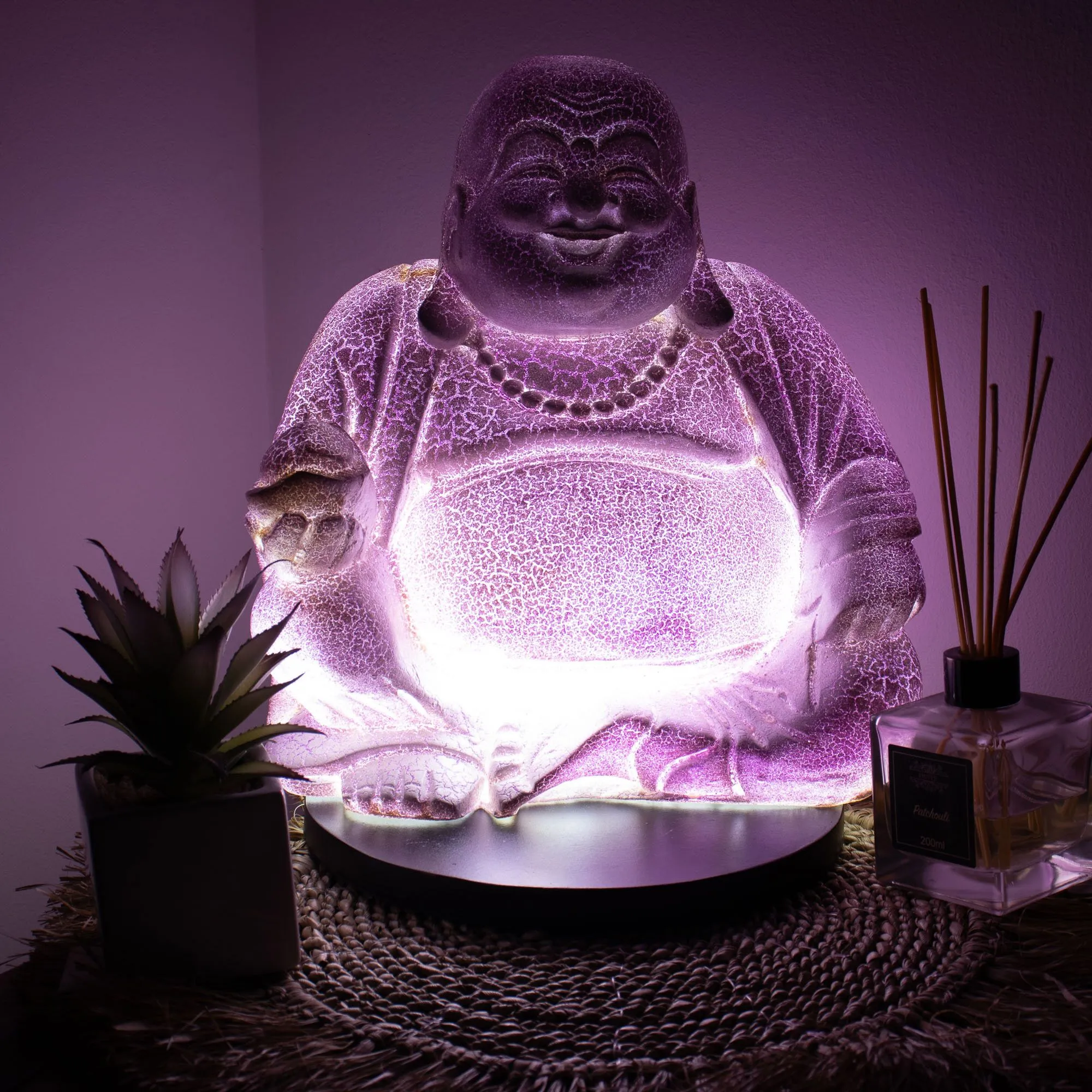
This is usually the easiest place to begin because the aim is simple – softness, calm and release. Layered bedding, warm lighting, gentle fragrance and clutter-free surfaces do more for spiritual comfort than stuffing the room with symbols. Candles, salt lamps, moon-themed decor, dreamcatchers and soothing wall art can all work here, but restraint matters. You want the room to settle your nervous system, not keep your mind buzzing.
If you share the space, choose pieces that still feel personal without making the room too niche. A few meaningful objects often land better than a complete mystical makeover.
Living room
The living room carries more mixed energy because it is where people gather, lounge, chat and sometimes work. This is the place for balance. Try grounding colours, statement cushions, textured throws, plants, ambient lamps and a few spiritual accents that hold attention without taking over.
This room is perfect for expressive decor with character – celestial details, incense burners, candles, symbolic ornaments, singing bowls or artwork that feels slightly magical rather than safe and forgettable. If your taste is anti-ordinary, let it show here.
Meditation or yoga corner
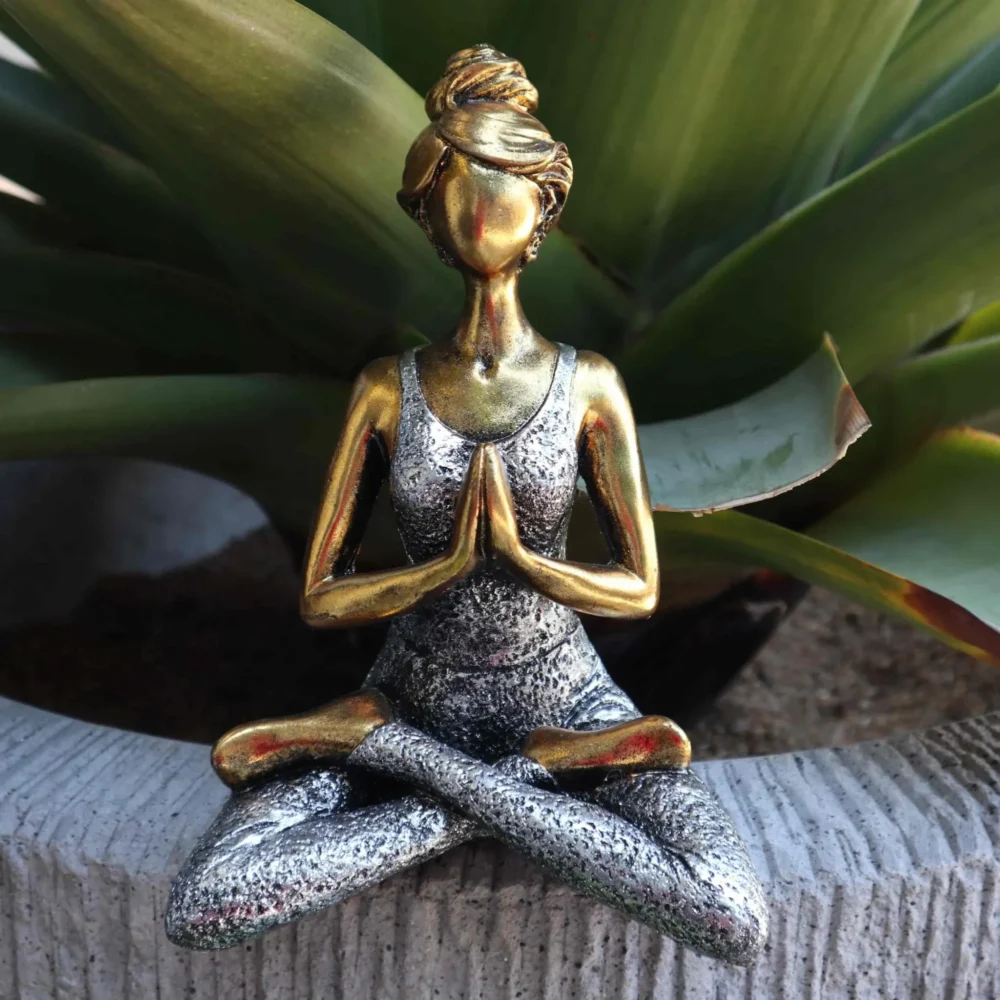
You do not need a spare room. A corner will do. A floor cushion, a soft mat, a candle, a small table or shelf, and one or two meaningful pieces can create a space that invites a pause. That might be for meditation, tarot, journalling, breathwork or simply drinking tea without your phone in your hand.
The key is making it easy to use. If the area takes ten minutes to set up every time, you probably will not use it. Keep it simple and visible.
Hallway or entrance
This often gets ignored, which is a shame because it sets the tone. A welcoming scent, warm lamp, mirror, protective charm or calming artwork can turn a functional entrance into something more intentional. It is the difference between walking into a dumping ground and walking into a home that feels held together.
The pieces that make the biggest difference
You do not need to buy everything at once. In fact, spiritual spaces usually feel better when they are built slowly.
Candles are one of the easiest wins. They add warmth, ritual and atmosphere in seconds. Scented versions can shift the mood even further – think lavender for rest, sandalwood for grounding, citrus for lift. If you love the look but not the smoke, wax melts can create a similar effect.
Lighting matters just as much. Harsh overhead bulbs kill the vibe fast. Lamps, fairy lights, salt lamps and warm-toned bulbs create a gentler, more cocooning feel. If a room feels spiritually dead, bad lighting is often the culprit.
Textiles are underrated. Throws, rugs, cushions and wall hangings soften a space and help it feel safe. Texture carries energy in a very real, everyday way. A room with layered fabrics often feels more comforting than one full of hard, shiny surfaces.
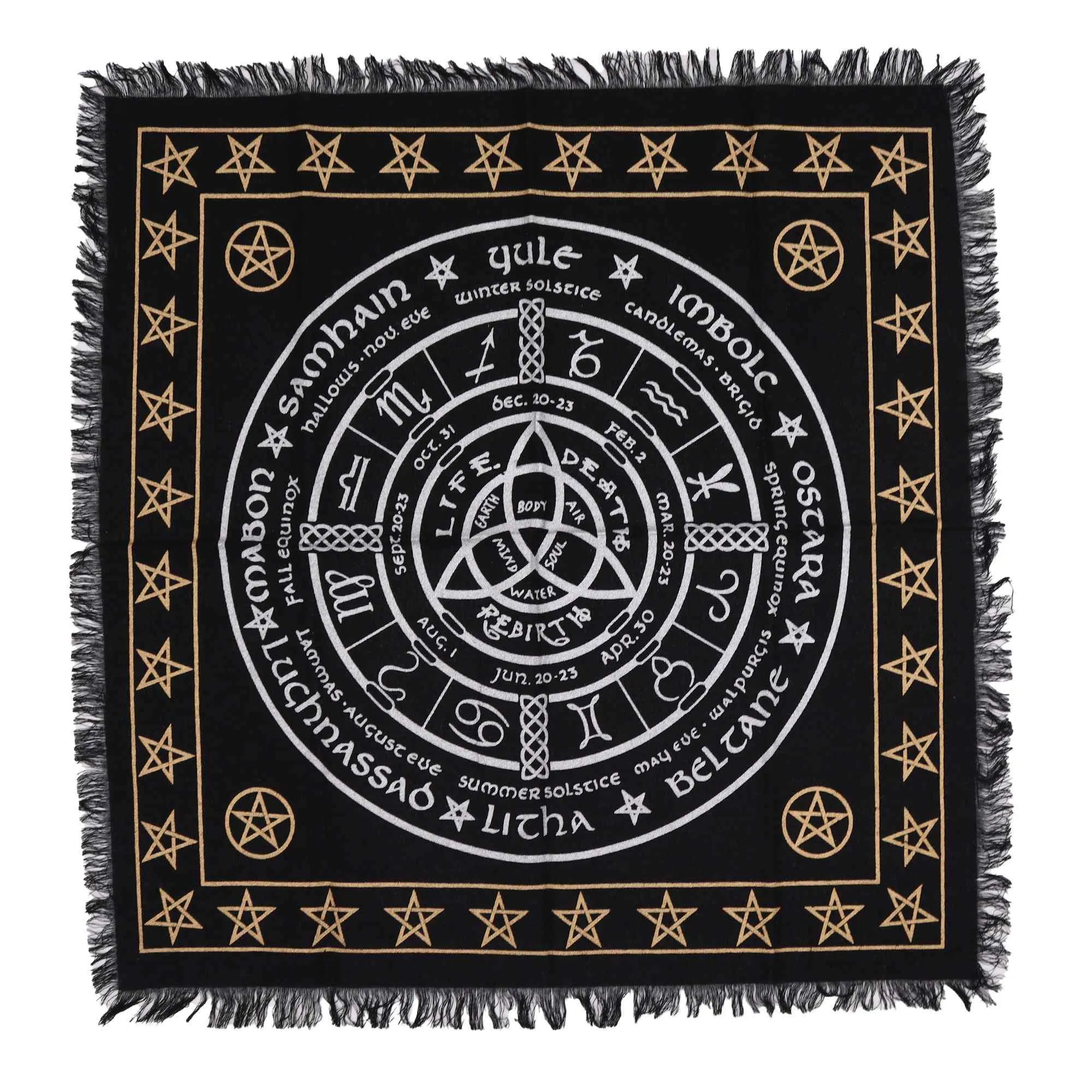
Then there are symbolic objects – crystals, incense holders, oracle decks, zodiac motifs, protective eyes, moons, suns, lotus shapes, chakras, mushrooms, mandalas. These can add meaning and visual identity, but only choose what actually resonates. If you are buying symbols you do not connect with because they are trendy, the room can start to feel staged.
Colour and scent do more than you think
If you want a fast route into spiritual styling, start with colour and fragrance. They shape mood immediately.
Earth tones such as terracotta, olive, rust and sand bring grounding energy. Deep blues and purples feel reflective and mystical. Soft pinks can make a room feel more open-hearted and gentle. Gold accents add warmth and a touch of ritual. Bright colour can work brilliantly too, especially if your version of spirituality is joyful, festival-flavoured and full of life. Spiritual does not have to mean beige.
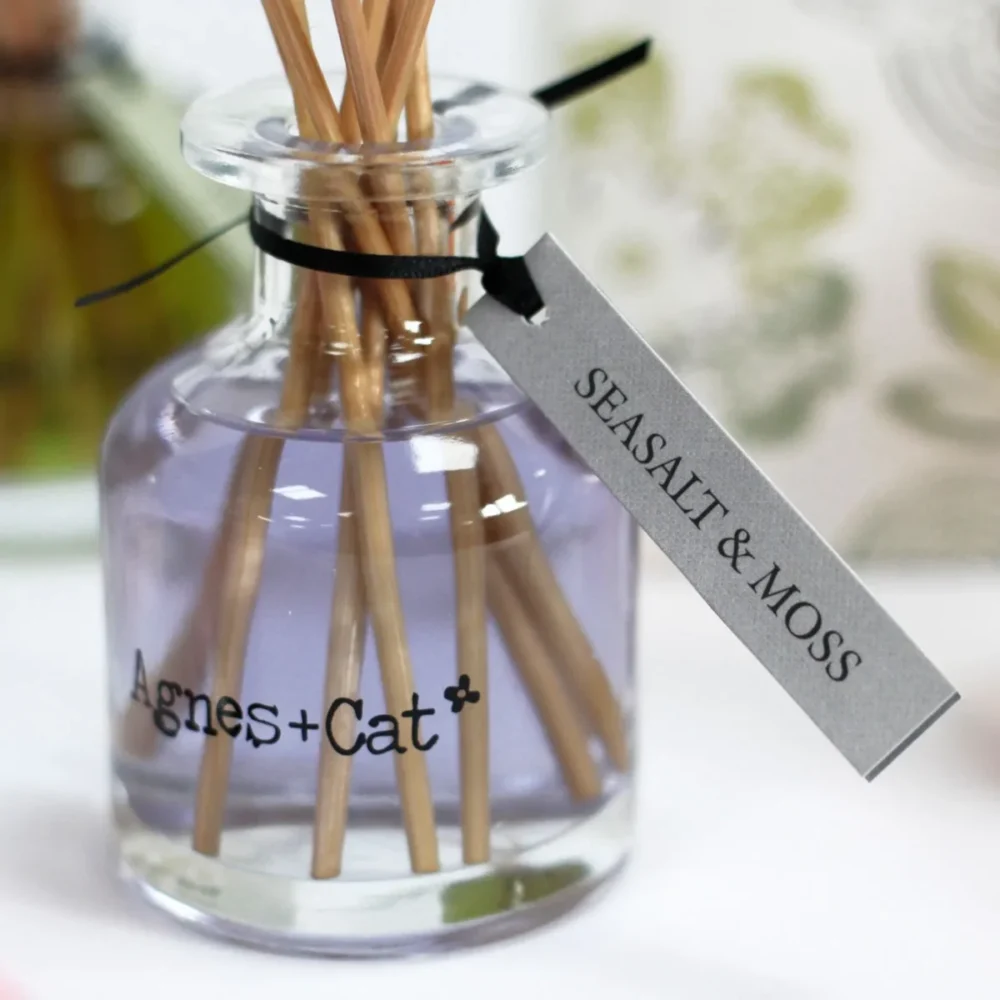
Scent is personal, so do not force yourself into incense if you hate it. Some people love the smoky richness. Others would rather never smell patchouli again. Candles, oils, diffusers and wax melts all do the job differently. The right choice depends on your space, your sensitivity and the mood you want.
Keep the meaning, lose the clutter
One of the biggest trade-offs with spiritual decor is that meaningful objects can quickly become visual noise. A crystal on a bedside table can feel calming. Twenty crystals, six candles, three decks, two incense trays and a pile of books on one small surface can feel like chaos wearing a halo.
Edit without guilt. Rotate pieces with the seasons or with your mood. Leave breathing room around the objects you love most. This gives them more presence and keeps the room feeling intentional.
It also helps to mix practical and decorative choices. Hidden storage, trays, baskets and shelves can hold the tools of your rituals without making the room feel crowded. Real peace is rarely found in a dusty pile of good intentions.
Make it personal, not performative
The strongest spiritual interiors have personality. They feel lived in, not copied from a trend cycle. Maybe that means a bold celestial print next to your record player, a candle cluster on the mantel, a shelf with crystals and tiny treasures from festivals, or a reading nook with a mug, blanket and tarot deck always within reach.
This is where expressive retail earns its place. Choosing decor with colour, attitude and a bit of soul gives your home identity. It stops the room looking like everyone else bought the same beige basket and called it wellness. If you are after pieces that feel a bit more alive, a brand like Funky Stride naturally fits that anti-boring mood.
Still, there is a difference between expressive and overworked. Leave space for the room to breathe. Let a few standout pieces carry the story.
Build rituals into the room
A spiritually styled home becomes far more powerful when the decor supports actual habits. Light a candle before bed. Pull a card in the morning. Sit on the floor cushion for five quiet minutes. Use a wax melt while you tidy. Ring a bell before journalling. Tiny rituals make the space feel purposeful.
That is also why functionality matters. If your favourite candle lives in a cupboard, you will forget it exists. If your meditation cushion is buried under laundry, that corner stops being sacred and becomes storage. Design for real life.
A good spiritual home is not trying to impress anyone. It helps you feel more like yourself when the day is loud, dull or messy. That can look mystical, minimal, bohemian or brilliantly weird. If it brings comfort, colour and intention into your space, you are on the right track. Start with one corner, trust your taste, and let the room grow with you.