

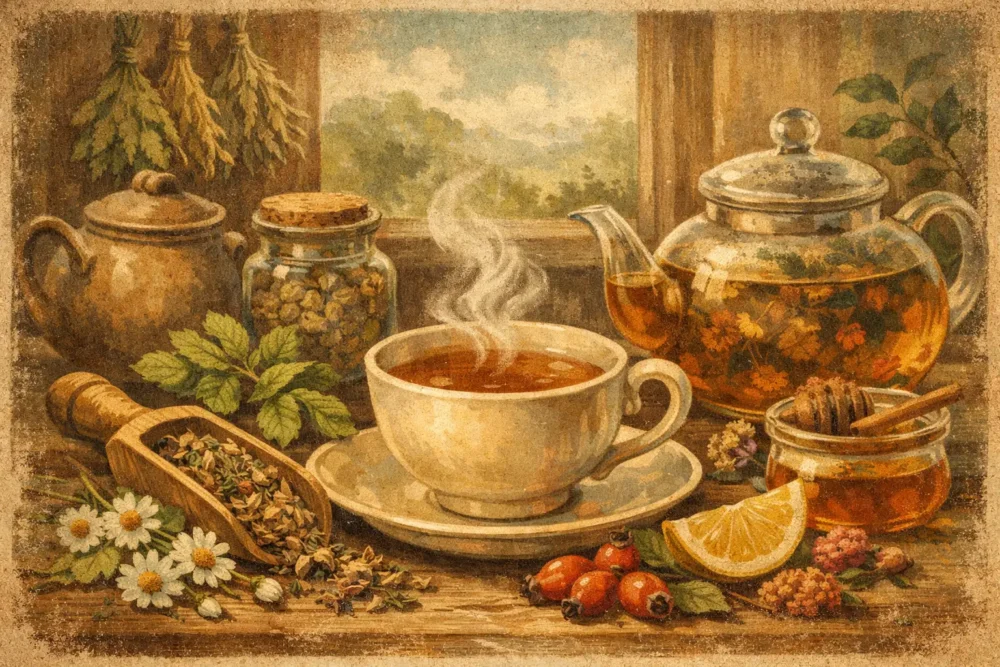
The kettle clicks off, the mug is waiting, and suddenly the choice feels oddly serious. Peppermint for a fresh reset? Chamomile for a softer evening? Something fruity and gloriously pink because plain old tea bags are not bringing enough joy? This herbal tea review is for anyone who wants their cupboard to feel less beige and their brew breaks to feel a little more like a ritual.
Herbal tea is not one single flavour family. It is a wonderfully unruly mix of leaves, flowers, roots, spices and fruit, each with its own personality. Some cups are crisp and clean, some are cosy and spicy, and some taste like a summer garden got dressed up for a party. The best one depends on the moment, your taste buds and whether you are brewing for yourself or wrapping up a gift that says, “I saw this and thought of you.”
Herbal Tea Review: The Flavour Test That Matters
A good herbal tea should taste like what it promises. That sounds obvious, but plenty of blends smell spectacular in the packet and then deliver a mug of faintly flavoured hot water. The difference usually comes down to ingredient quality, the balance of the blend and whether there is enough of the headline ingredient to shine through.
Take peppermint. A strong peppermint infusion should be cool, bright and properly aromatic, with a clean finish rather than a dusty, dry aftertaste. Chamomile should be gently floral and apple-like, not bitter or bland. Hibiscus should bring a tangy, berry-adjacent sharpness and a vivid ruby colour that makes every mug feel more dramatic. If a blend claims ginger, lemon and spice, you should not have to squint your taste buds to find them.
Loose-leaf blends often have the edge here because the pieces tend to be larger and less crushed. You can see the curled leaves, citrus peel, petals or spice pieces, and that usually translates to more character in the cup. Tea bags are still brilliant for quick weekday brewing, travel, work desks and those evenings when the sofa has claimed you. Convenience is not boring. A weak brew is boring.
Sweetness is another deciding factor. Fruit-heavy blends can be naturally sweet and juicy, especially those with apple, berries, orange or liquorice root. Floral and green blends are usually subtler. Spiced herbal teas may feel naturally warming without tasting sweet at all. If you normally take sugar in tea, try a fruity blend first. If you prefer dry cider to fizzy pop, you may enjoy something minty, gingery or herb-led.
Judge the Ingredients, Not Just the Pretty Packaging
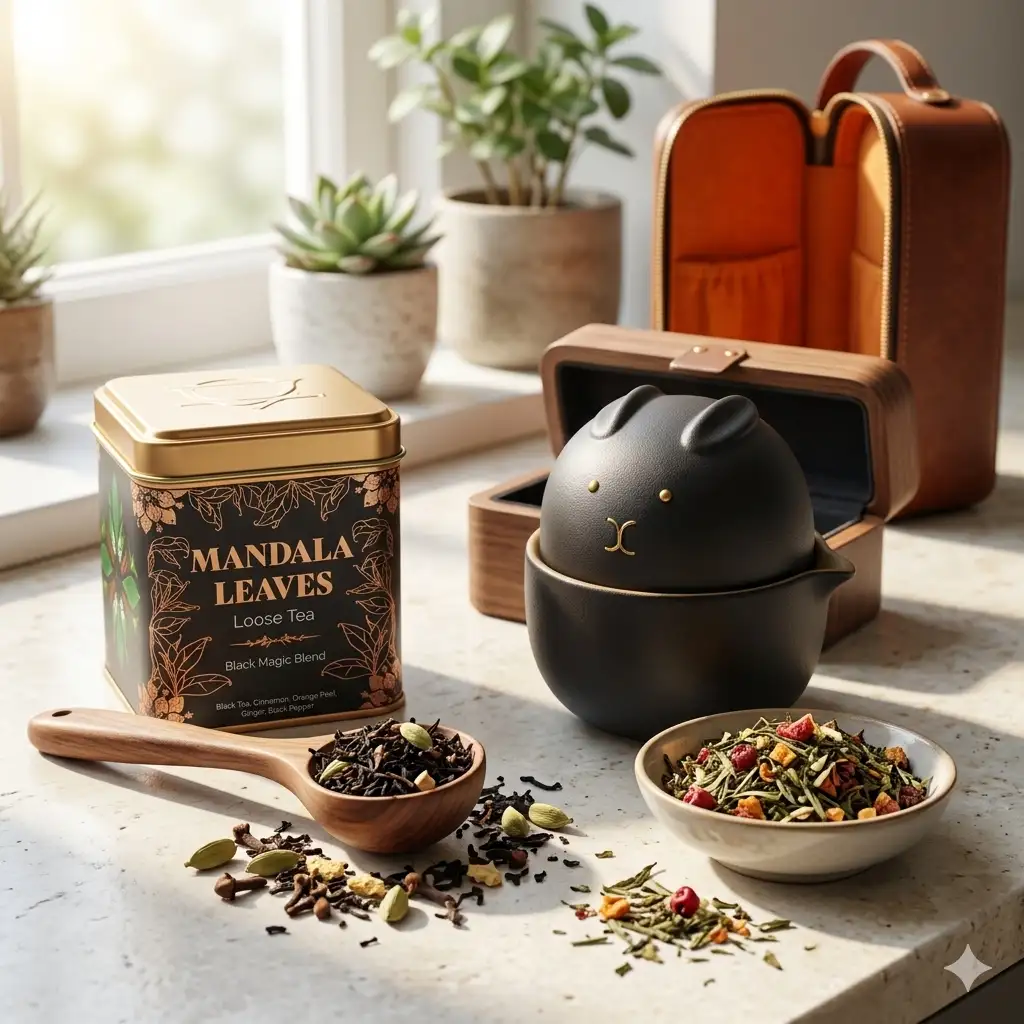
We are firmly in favour of colourful tins, celestial labels and packaging that looks fabulous on a kitchen shelf. A tea gift should have some visual swagger. But turn it over and read the ingredients too.
A shorter ingredient list is not automatically better, especially in a carefully built chai-style or botanical blend. What matters is clarity. You should be able to recognise the main ingredients and understand the flavour direction. Look for real herbs, flowers, fruit pieces, spices and peel rather than a blend that relies heavily on vague flavourings to do all the work.
That said, flavourings are not an instant deal-breaker. They can make a berry, citrus or dessert-inspired blend more rounded and reliable. It comes down to what you want from the cup. For a natural-tasting, garden-fresh experience, choose blends led by whole botanicals. For a bold, fun brew that tastes like pudding in a mug, a little added flavour can be part of the joy.
Liquorice root deserves a mention because it appears in many herbal teas as a natural sweetener. Some people love its lingering sweetness; others find that it takes over the whole blend. It is also not suitable for everyone, particularly people with high blood pressure or those advised to avoid it by a healthcare professional. If you are pregnant, taking medication or managing a health condition, check ingredients carefully and ask a qualified professional if you are unsure. A cosy cuppa should never come with guesswork.
The Best Herbal Tea Depends on the Mood
There is no single winner because herbal tea is a mood-based drink. Think of it as choosing a playlist, not choosing a household appliance. The right blend shifts with the weather, the time and the energy you want to bring to the moment.
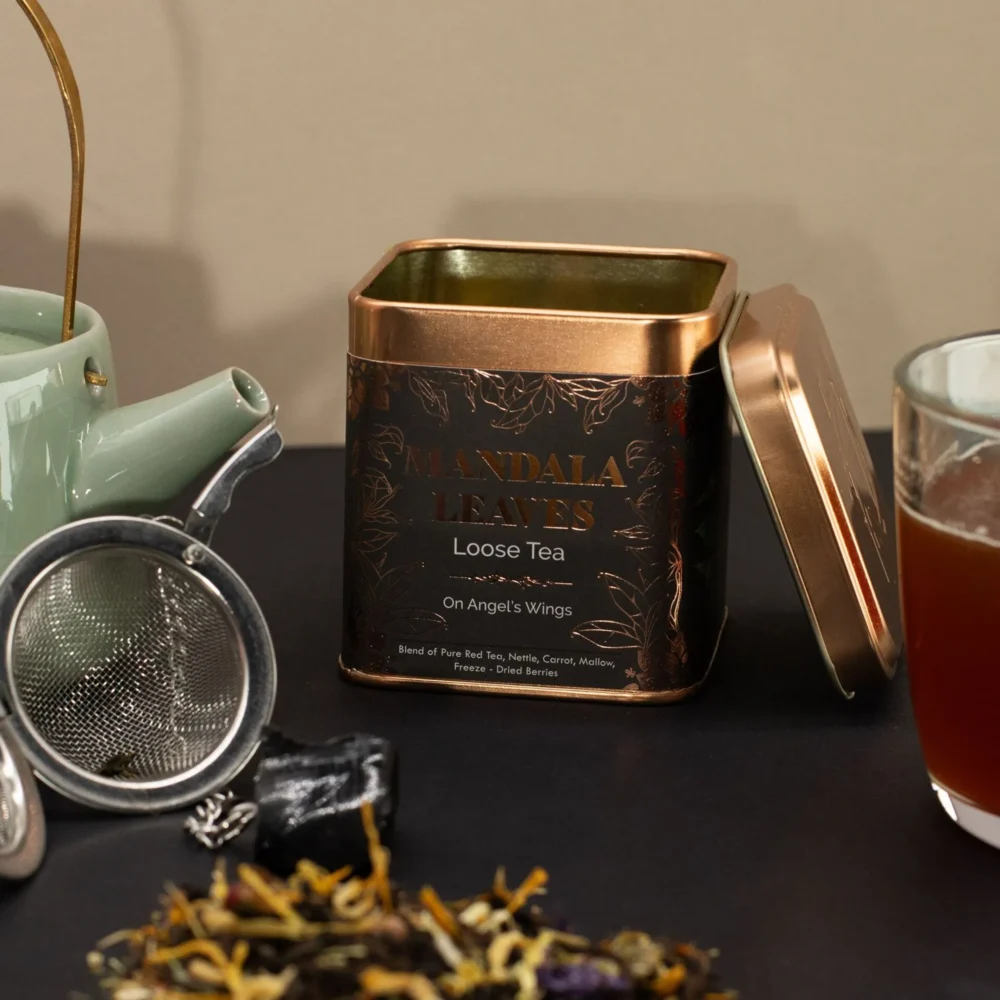
For slow evenings
Chamomile, lavender, lemon balm and rose-led blends suit the wind-down crowd. Their flavours are soft, floral and comforting, especially when served in a favourite oversized mug. Keep the brewing gentle and avoid leaving delicate floral teas to stew for ages, as they can become bitter.
For a bright daytime reset
Peppermint, spearmint, lemon verbena and lemongrass are lively without being shouty. They work beautifully after lunch, between meetings or whenever your brain feels like it has too many tabs open. Mint blends also make excellent iced tea in warmer weather. Brew them strong, cool them down, add ice and a slice of lemon, and suddenly your Tuesday looks much less ordinary.
For colour and drama
Hibiscus, rosehip and berry blends are the maximalists of the tea shelf. They pour a deep red or purple, bring tart fruit flavour and look particularly good in a clear glass mug. They are a brilliant choice for people who want caffeine-free drinks with proper presence. If you find them too sharp, add a spoonful of honey or blend them with a naturally sweet fruit infusion.
For cosy, spicy energy
Ginger, cinnamon, cardamom, clove and orange create the sort of cup that belongs beside a blanket, a candle and a slightly overambitious plan to start a new book. Spice blends can feel warming and full-bodied, making them a solid alternative for people who find floral teas too delicate. They are also great with a splash of milk or a plant-based alternative, depending on the blend.
Brewing Is Half the Review
Even an excellent blend can be ruined by a rushed brew. Herbal infusions generally need freshly boiled water and more time than standard black tea. Five to ten minutes is common, but always follow the packet guidance if it is available. Stronger ingredients such as ginger and peppermint can take a longer steep; lighter floral blends may need less.
Use a lid or small saucer over your mug while brewing. It keeps the aromatic oils from escaping, which means more flavour ends up where it belongs. If you are making loose leaf tea, give the leaves room to move in an infuser or teapot rather than cramming them into a tiny metal ball. Big flavours need a bit of space to strut.
Do not judge a blend after one distracted sip. Let it cool slightly. Very hot drinks can hide sweetness, fruit notes and spice. Smell it first, then take a proper mouthful. Notice whether the flavour develops or disappears. The memorable teas usually have a clear opening, a satisfying middle and a finish that makes you want another sip rather than a biscuit to rescue it.
Is Herbal Tea a Good Gift?
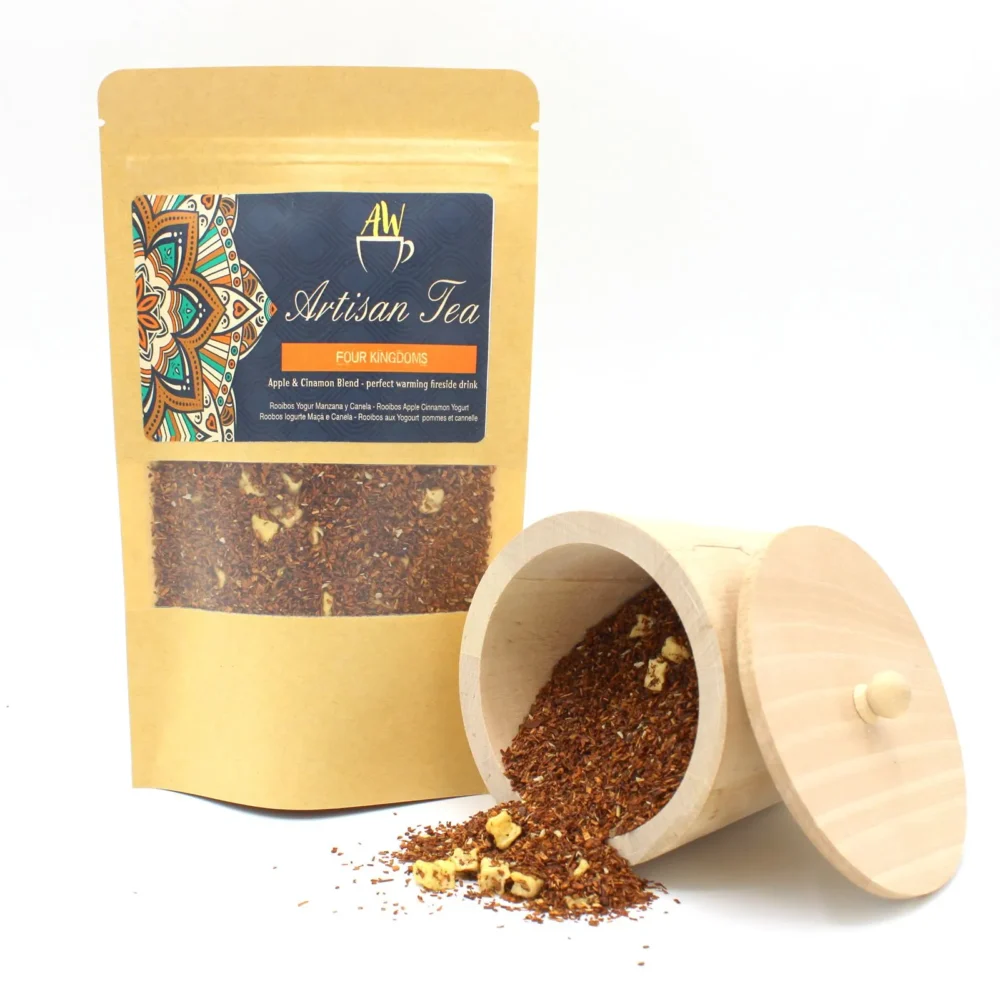
Absolutely, especially when you match the blend to the person instead of grabbing the nearest predictable present. A bright berry tea suits the friend who wears colour in November. A calming botanical blend works for the person building their dream bath-time sanctuary. A spiced infusion makes a lovely winter birthday extra, while a zingy mint or citrus tea is ideal for a yoga-loving pal, a busy parent or someone who simply deserves five quiet minutes.
Tea also plays nicely with other feel-good gifts. Pair it with a statement mug, a candle, cosy socks, a journal or a little self-care bundle, and you have created a proper moment rather than just handed over an object. That is the magic of a thoughtful brew: it feels useful, personal and far more memorable than another generic gift set.
For gifting, presentation matters. Choose blends with a story in their flavour, attractive packaging and enough servings to feel generous. A tiny sample is fun as an add-on, but a full-size pouch or tin says, “This is your new ritual.” If you are buying for someone whose tastes you do not know well, peppermint, fruit blends and gently spiced teas are safer bets than intensely floral or liquorice-heavy options.
Our Honest Herbal Tea Verdict
The best herbal tea is not necessarily the one with the fanciest name or the loudest claims. It is the one that smells inviting, brews with real flavour and fits the occasion you had in mind. Choose peppermint when you want freshness, chamomile when you want softness, hibiscus when you want colour, and ginger-spice when you want a cup with a little fire in its belly.
Build a small tea shelf with different moods rather than committing to one enormous box of the same old blend. A few vivid, fragrant options can turn an everyday kettle boil into a mini act of self-expression. And honestly, life is too short for boring presents or boring tea.
Herbal Tea Review – Summary Guide
| Tea Style / Mood | Key Ingredients | Flavour Profile | Best Time to Brew | Gifting Match |
| Slow Evenings | Chamomile, lavender, lemon balm, rose | Soft, floral, apple-like, gentle, comforting | Bedtime, evening wind-downs | The bath-time sanctuary builder |
| Bright Daytime Reset | Peppermint, spearmint, lemongrass, lemon verbena | Cool, aromatic, bright, crisp, clean | Post-lunch, between meetings, iced in warm weather | Busy parents, yoga lovers, workday resets |
| Colour and Drama | Hibiscus, rosehip, berry blends | Tart, tangy, berry-sharp, bold ruby/purple hue | Daytime pick-me-up, dramatic glass-mug moments | The vibrant friend who wears bright colours in November |
| Cosy, Spicy Energy | Ginger, cinnamon, cardamom, clove, orange | Warming, fiery, full-bodied, aromatic | Autumn/winter nights, reading beside a candle | Winter birthdays, lovers of spiced or milk-friendly brews |
Frequently Asked Questions
How long should herbal tea be steeped compared to black tea?
Herbal infusions generally need 5 to 10 minutes in freshly boiled water. Heartier ingredients like ginger and mint can handle longer steeps, while delicate florals should not be left to stew for too long, as they can turn bitter.
Why does covering the mug make a difference while brewing?
Covering your mug with a lid or small saucer traps the aromatic essential oils inside the cup rather than letting them evaporate into the air, keeping the final brew rich and fragrant.
Are tea bags inferior to loose-leaf herbal teas?
Loose-leaf blends often provide larger, whole botanicals that release richer character, but tea bags are ideal for convenience, work desks, travel, and quick sofa brews. The key factor is ingredient quality and freshness rather than the format alone.
Who should be cautious with liquorice-heavy blends?
Liquorice root is often used as a natural sweetener, but it can linger heavily and may not be suitable for people with high blood pressure, individuals on specific medications, or those who are pregnant. Ingredient lists should always be checked carefully if health conditions apply.
What pairs well with herbal tea for a thoughtful gift set?
Herbal teas pair naturally with lifestyle and self-care items such as statement ceramic mugs, scented candles, cosy socks, journals, or bath products to turn a simple cuppa into a complete relaxation ritual.