

Millions of Years in the Making, Made for Real Modern Living
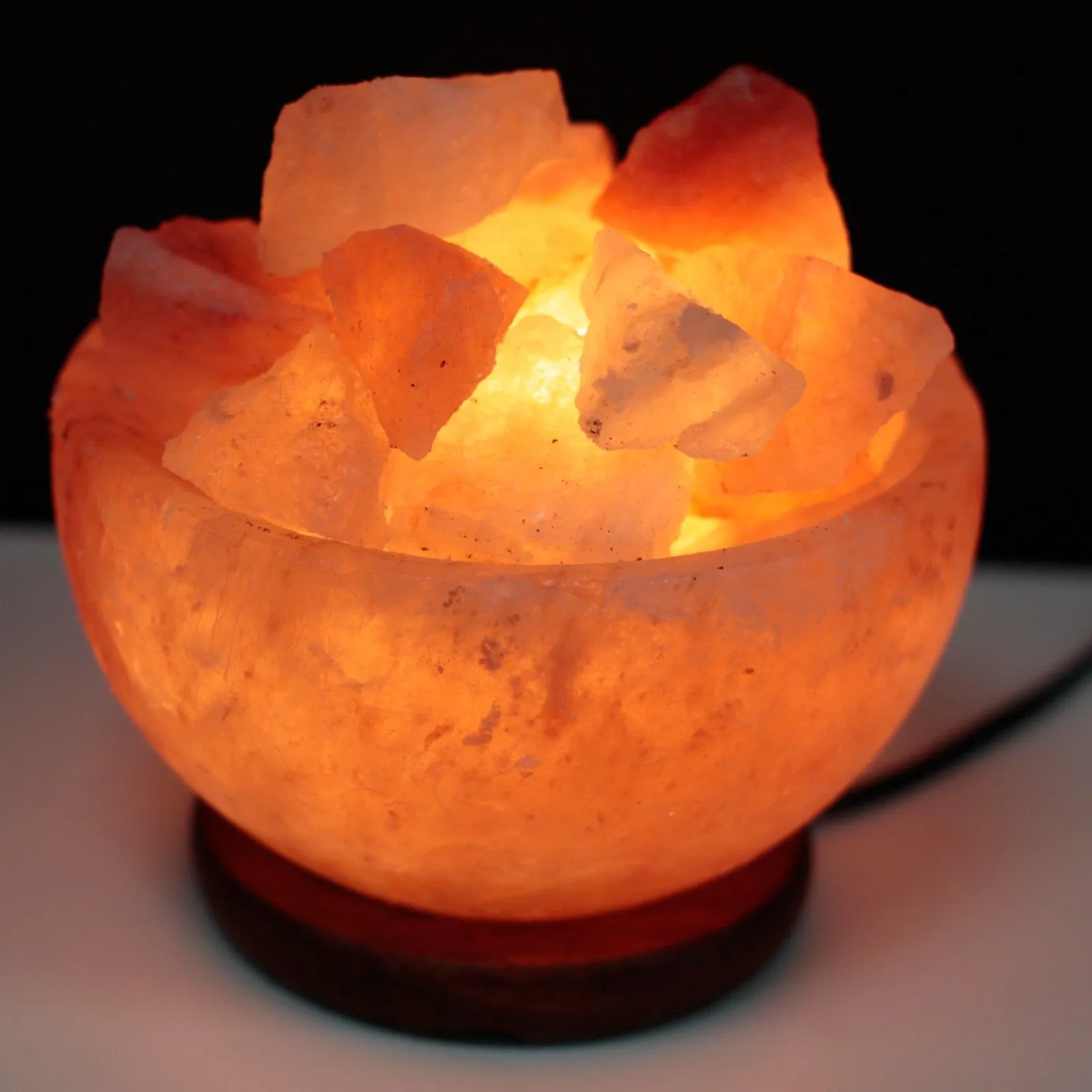
Himalayan Salt Lamps: A Timeless Blend of Natural Beauty and Warm Lighting
Himalayan salt lamps have become one of the most popular natural home décor accessories, valued for their warm amber glow, unique appearance, and calming atmosphere. Carved from ancient pink halite crystal mined primarily in Pakistan’s Salt Range, each lamp is a one-of-a-kind piece shaped by millions of years of geological history.
While many people are drawn to them for their cosy aesthetic, they’re equally appreciated for helping create relaxing evening environments with softer, warmer lighting than standard LED fixtures.
In this complete guide, you’ll learn:
Answers to the most common salt lamp questions
What they are
Where Himalayan salt comes from
Why Himalayan salt is pink
How to style salt lamps throughout your home
How to care for and maintain them
What Is a Himalayan Salt Lamp?
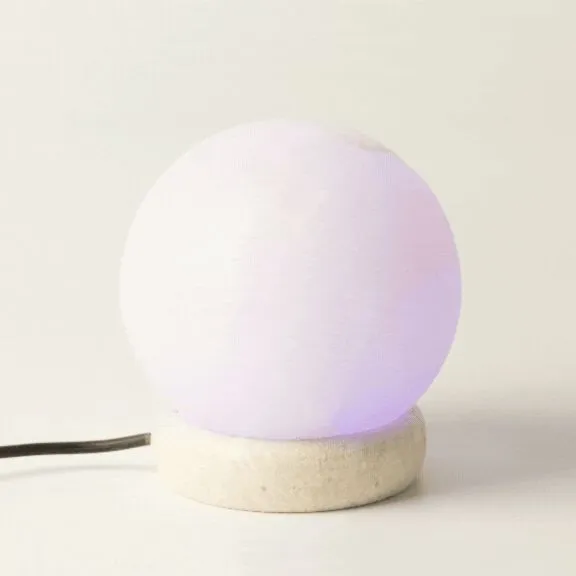
A Himalayan salt lamp is a decorative light made from solid pink halite crystal, typically mined from Pakistan’s Salt Range. A small bulb placed inside the crystal emits a warm amber glow, creating soft ambient lighting for bedrooms, living rooms, home offices, and relaxation spaces.
How to Style Your Salt Lamp
- The Bedside Evening Buffer: Swap the stark blue light of bedside lamps for the amber glow of raw salt. Its sunset frequencies signal to your eyes and nervous system that the day is drawing to a close, making it the ideal partner for late-night reading, herbal tea, and mindful breathwork.
- The Grounded Workspace: Add raw texture to sterile desks or busy studio setups. Tucked alongside house plants, books, or audio gear, the lamp balances plastic cables and metal monitors with warm, ancient stone.
- Living Room Atmosphere: Place a larger rough-cut lamp or a fire bowl filled with glowing salt chunks on a low side table or hearth. It immediately breaks up the shadowy corners of the room with rich, ambient light without dominating your décor.
The Heat Equation: Incandescent vs. LED
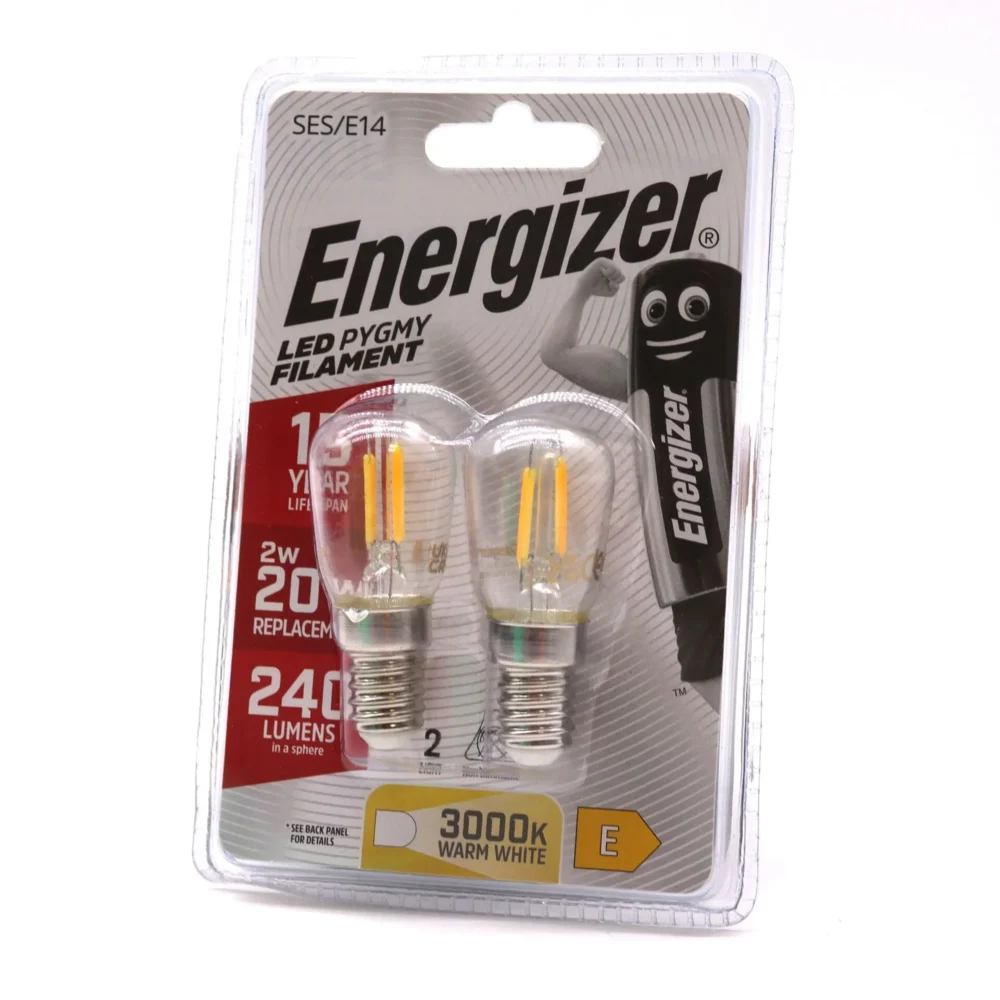
This hygroscopic cycle is precisely why the choice of lightbulb inside your lamp is critical:
| Feature | Traditional Incandescent / Halogen Pygmy Bulb | Modern Low-Energy LED Bulb |
| Heat Output | High: Gently warms the rock from the core outwards. | Virtually Zero: Remains completely cold during operation. |
| Moisture Control | Excellent: Constantly evaporates moisture, keeping the lamp dry. | Poor: Cannot evaporate collected condensation; weeping occurs. |
| Colour Quality | Natural, continuous warm amber spectrum. | Often flat, relying on colour-filtered diodes. |
| Best Used For | Daily home use, damp rooms, and long-term stone preservation. | Well-sealed, climate-controlled spaces with dehumidifiers. |
How These Lamps Influence Room Atmosphere
Although scientific evidence does not support many of the health claims often associated with them, their lighting characteristics can significantly influence how a room feels.
The warm amber light they emit typically falls between 1,500K and 2,200K on the colour temperature scale, similar to candlelight and firelight.
Many homeowners use salt lamps because they:
- Create softer ambient lighting
- Reduce harsh visual contrast from bright overhead fixtures
- Help establish a relaxing evening environment
- Complement cosy interior design styles
- Provide decorative accent lighting
How to Identify an Authentic One
When shopping for one, look for these signs of authenticity:
Signs of the Real Thing
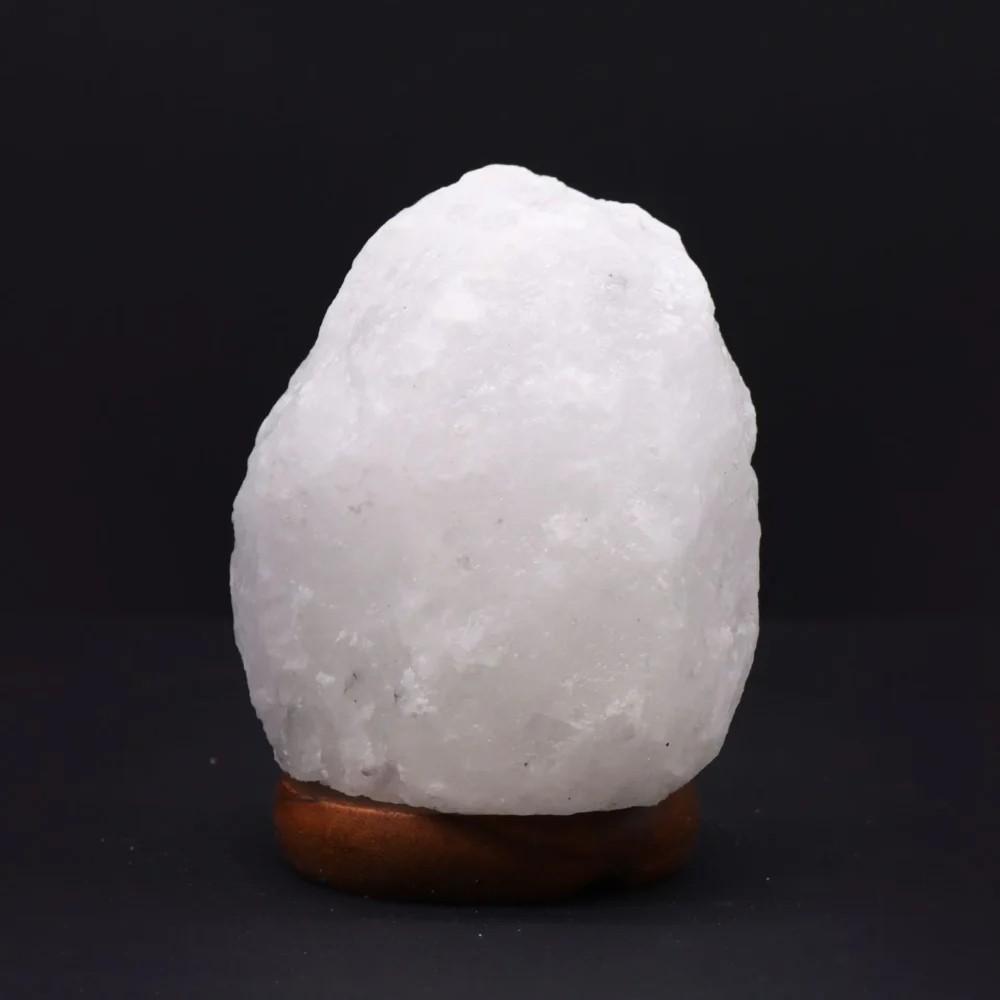
- Uneven and naturally irregular shape
- Soft amber, peach, or pink colouring
- Slightly fragile surface texture
- Produce a muted, warm glow
- May absorb moisture in humid environments
Signs of a Fake
- Perfectly symmetrical appearance
- Very bright illumination
- Plastic-like texture
- Completely waterproof surface
- Uniform artificial colouring
Why People Love Them
People choose them primarily for their aesthetic and atmospheric qualities.
Common benefits include:
- Creates warm ambient lighting
- Enhances cosy living spaces
- Adds natural texture to interiors
- Complements biophilic design schemes
- Works well as a night light
- Provides a unique decorative focal point
- Helps establish relaxing evening routines
Simple Care for Genuine Pink Salt
Because Himalayan salt is naturally hygroscopic (it naturally attracts airborne moisture), caring for your lamp is simple and intuitive. To keep it dry and shining at its best, leave it switched on for a few hours each day so the internal bulb gently warms the stone from the inside out.
If you live in a particularly humid room or need to switch the lamp off for extended periods, simply cover it with a protective cotton bag or wipe away any surface moisture with a clean, dry cloth. With proper care, your salt lamp will remain a glowing, sculptural part of your home rituals for decades to come.
To keep your lamp pristine, always run it with the manufacturer-recommended low-wattage incandescent or halogen heat bulb (typically a standard 15W E14 pygmy appliance bulb). The small amount of gentle warmth keeps the stone completely dry, preventing pooling and preserving its smooth, crystalline structure.
Routine Maintenance Steps
- Keep It Running: Leaving your lamp switched on for several hours every day is the easiest way to prevent moisture problems. The bulb’s warmth stops condensation from settling.
- Dusting the Surface: Salt has a rough, pitted exterior that gathers dust over time. Turn the lamp off, let it cool completely, and wipe it down with a slightly damp, well-wrung-out microfibre cloth. Never soak the lamp in water or run it under a kitchen tap, as this will dissolve the rock. Dry it immediately with a clean towel and switch it back on.
- Storage During Holidays: If you are leaving your home unheated for more than a few days, unplug the lamp, detach the electrical cable, and slide the dry stone into a sealed plastic zip-top bag or wrap it in a clean cotton tea towel. This locks out ambient room humidity while you are away.
Do They Actually Work?
They work well as decorative lighting fixtures and ambient light sources. While many wellness claims remain unproven, they are widely appreciated for their warm glow and relaxing atmosphere.
Quick Questions, Answered
How Long Do They Last?
It can last indefinitely if properly maintained and protected from excessive moisture. Bulbs and electrical components may need occasional replacement.
Can They Get Wet?
No. Himalayan salt is water-soluble and will gradually dissolve if exposed to excessive moisture, humidity, or direct water contact.
Should It Be Left On?
Many owners leave their lamps switched on for several hours daily. The gentle heat generated by traditional bulbs helps reduce moisture accumulation inside the salt crystal.
What Size Should I Buy?
7-10 kg+: Large open-plan spaces
2-3 kg: Desk or small bedroom
3-5 kg: Bedside table
5-7 kg: Medium living room
Why Is It Pink?
It gets its colour primarily from trace minerals trapped within the crystal lattice—most notably iron oxide (rust).
Pure sodium chloride ($NaCl$) is naturally colourless or white, like standard refined table salt. However, the mineral halite harvested from the Salt Range in Pakistan formed hundreds of millions of years ago when ancient oceans evaporated, leaving behind concentrated salt beds enriched with surrounding minerals.
Several trace elements dictate the exact colour:
- Iron Oxide ($Fe_2O_3$): This is the key contributor. Microscopic traces of iron oxides throughout the crystal matrix give the rock its distinctive shades, ranging from light salmon pink to deep crimson and terracotta.
- Magnesium and Potassium: These minerals introduce creamy apricot, golden, and warm orange undertones.
- Calcium and Sulphur: Trace concentrations can create white, cloudy, or greyish veining running through the stone.
Because these minerals settled unevenly as tectonic forces compressed the ancient salt flats under immense pressure, every lamp features a unique, natural gradient rather than a uniform artificial tint. The higher the concentration of iron oxide in a specific vein of rock, the darker pink or red the lamp will appear.