


A cosy altar is not a museum display for perfectly polished crystals, nor does it need to look like somebody else’s social feed. It is a small, intentional spot that makes you pause, breathe and feel more like yourself. If you are wondering how to create a cosy altar, start with this: choose things that genuinely comfort, inspire or ground you. The rest is just joyful arranging.
Whether you use it for meditation, tarot, manifestation, remembering someone special, marking the seasons or simply creating a pocket of calm in a busy flat, your altar can be as colourful, witchy, minimal, maximalist or gloriously odd as you are. No beige rulebook required.
Start with the feeling, not the shopping list
Before picking up a candle or moving furniture about, ask what you want this space to do for you. Perhaps you need a soft landing after a long day. Maybe you want a creative corner that gets the ideas moving, a place to set intentions in the morning, or a tiny bit of festival spirit when the weather is doing its usual British thing outside.
A clear feeling helps you choose objects with purpose instead of piling up bits that look nice but mean nothing. A calming altar might lean towards gentle scents, smooth stones and warm light. A confidence-boosting one could have bold colours, a favourite piece of jewellery, an affirming card or a photograph that reminds you exactly who you are.
There is no need to make one altar do every job. If your needs change, let the space change too. That is far more useful than treating it like untouchable décor.
Pick a spot that works in real life
Your altar does not need a spare room, a grand mantelpiece or a home worthy of a glossy interiors magazine. A bedside table, shelf, windowsill, corner of a desk or a small tray on a chest of drawers can work beautifully. The best place is one you will actually see and use.
If you live with housemates, children, curious cats or limited surface space, a portable altar is a brilliant option. Arrange your pieces on a tray, in a decorative box or on a cloth that can be folded away when needed. This keeps the ritual without asking your entire home to become a permanent shrine.
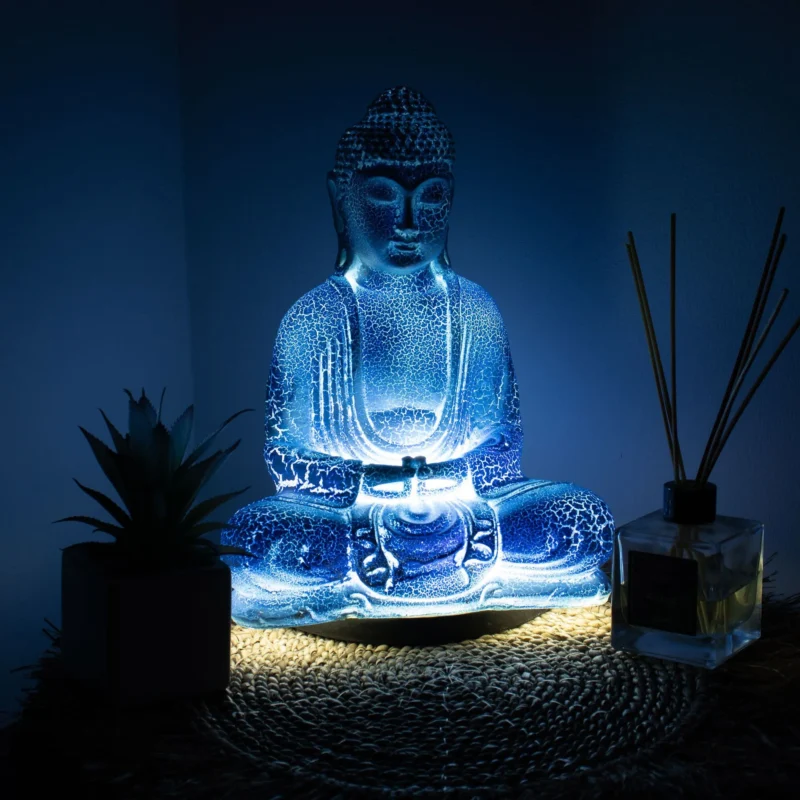
Think about practicalities too. Keep open flames away from curtains, books, trailing plants and anything easily knocked over. If candles are not sensible in your space, LED lights, a salt lamp or a colourful little lamp can create the same warm glow without the worry.
Give it a base layer
A base makes even a handful of objects feel considered. This could be a small scarf, an altar cloth, a patterned tray, a wooden board, a plate or a piece of fabric rescued from the back of a drawer. Choose a texture and colour that sets the mood.
Deep jewel tones feel rich and mysterious; soft pinks, greens and creams can make the space gentler; bright prints bring the fun. There is nothing wrong with a black cloth and neon candle combination either. Cosy is not one aesthetic. It is the feeling of being welcomed by a space that reflects you.

Build your cosy altar in layers
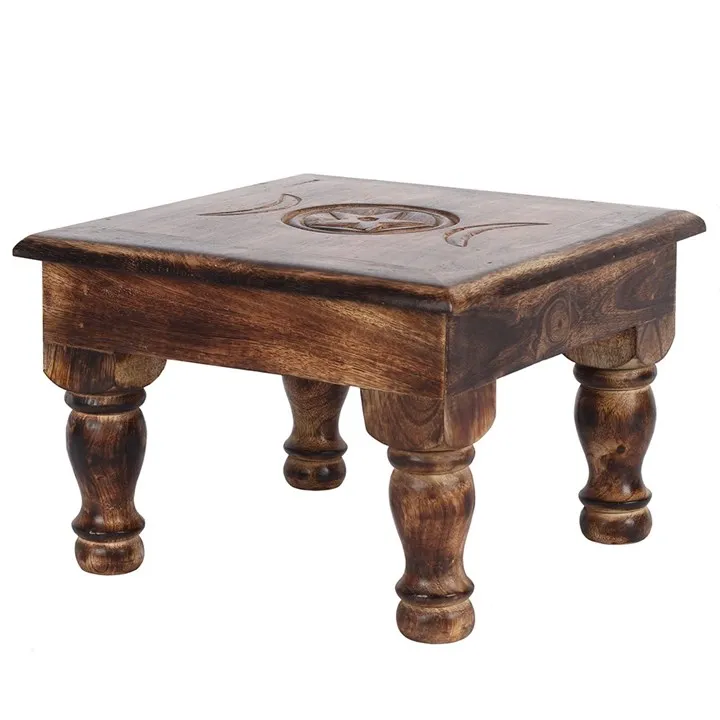
Start with one anchor piece, then build around it slowly. An anchor may be a candle, a framed image, a small statue, a vase of dried flowers or a treasured object from a holiday. Place it slightly towards the back or centre, then add smaller pieces around it.
Vary the height so everything is visible. Stack a couple of books, use a small dish as a riser, or place a taller candleholder behind lower objects. This creates depth without making the altar feel cluttered. You are aiming for a little visual magic, not a game of spiritual Jenga.
Light matters more than most people expect. A candle’s flicker changes the entire energy of a corner, especially during grey mornings and dark evenings. Choose a scent you enjoy rather than one you think you are supposed to like. Lavender can feel restful, citrus can feel fresh, and rich incense-like notes can make a space feel more ceremonial. If fragrance gives you headaches or you share a small home, go unscented and let the visual warmth do the work.
Add objects with a story
The cosiest altars hold objects that feel personal. A crystal is lovely if you connect with it, but it is not compulsory. The same goes for tarot cards, incense, oracle decks, statues and symbols. Use them because they add something to your ritual, not because an internet checklist says they belong there.
You might include a handwritten note, a postcard from a friend, a seashell from a favourite beach, a charm, a pressed flower, a small musical instrument, a meaningful book or an item inherited from family. These pieces carry memory, and memory is what stops an altar from feeling staged.
Small bowls and dishes are particularly handy. Use one for jewellery you wear during rituals, another for crystals or charms, and one for written intentions. They also help contain the tiny treasures that otherwise wander across every surface in the house.
Let nature soften the space
Natural elements make an altar feel alive. Fresh flowers are gorgeous, but a bunch of supermarket blooms every week is not essential. Dried flowers, a leafy cutting in water, pinecones, feathers found on a walk or a bowl of interesting stones can work just as well.
If you use plants, be honest about your plant-parenting skills. A demanding fern will not create calm if it is silently judging you from the corner. A hardy pothos, a dried arrangement or no plant at all is completely valid. Cosiness should not come with another chore.
Seasonal swaps are an easy way to keep the altar feeling fresh. Bring in spring flowers, sunny colours in summer, fallen leaves and spiced scents in autumn, then warmer lights and evergreen touches through winter. You do not need to replace everything. One or two shifts are enough to mark the moment.
Create a ritual you will actually keep
An altar becomes meaningful through use. That does not mean you need an elaborate daily ceremony involving twenty steps and a moon calendar. A minute of intention can be enough.
In the morning, light a candle or switch on a lamp, take three slow breaths and choose a word for the day. At night, place a note in a bowl naming something that went well. Before a yoga session, pull a card, play a calming sound or simply sit beside the space without checking your mobile phone. Small actions repeated with care are where the comfort lives.
If spirituality is not your thing, your altar can still be a centre for reflection. Keep a journal there, display art that makes you smile, or use it as a screen-free corner for a cup of tea. Ritual does not have to be mystical to matter.
Keep it cosy, not crowded
The temptation is to keep adding. After all, every candle, crystal and charming trinket has main-character energy. But an altar packed edge to edge can start to feel visually noisy, especially if it is in a small room.
Give your favourite pieces some breathing room. Every few weeks, dust the surface, clear away burned-down candles, refresh flowers and move anything that no longer feels right. This is not about perfection. It is a small act of care for your space and yourself.
A cosy altar should never feel like another standard to meet. It can be a single candle beside a postcard, or a vibrant arrangement full of colour, scent and symbols. Make it yours, change it when you fancy, and let it be the bit of your home that politely refuses to be boring.
How to Create a Cosy Altar
| Altar Element | Purpose and Function | Examples and Ideas |
| The Base Layer | Sets the foundational mood and unifies scattered items | Altar cloth, patterned tray, wooden board, or textured fabric |
| The Anchor Piece | Draws the eye and serves as the central focal point | A favorite candle, framed photo, small statue, or vase of dried flowers |
| Natural Touches | Keeps the space feeling alive, organic, and grounded | Pinecones, feathers, pressed flowers, crystals, or hardy plants |
| Personal Objects | Adds authentic memory and meaning over generic decor | Postcards, handwritten notes, family heirlooms, or beach seashells |
| Functional Vessels | Contains small treasures and keeps surfaces uncluttered | Small dishes or ceramic bowls for jewelry, tokens, or written intentions |
Frequently Asked Questions About How to Create a Cosy Altar
1. How to create a cosy altar if I don’t have a lot of space?
You do not need a spare room or a grand mantelpiece to build a meaningful space. A bedside table, a shelf, a windowsill, or even a small tray on a chest of drawers works wonderfully. If you live in a shared flat or have limited surface area, a portable altar arranged on a decorative tray, inside a box, or on a folding cloth lets you keep your personal ritual without taking over your entire room.
2. Do I need expensive crystals and strict rules to set up an altar?
Not at all. There is no rigid “beige rulebook” or mandatory shopping list. Your altar can be as minimalist, colourful, eclectic, or unconventional as you are. Instead of buying items just because an internet checklist says so, choose objects that genuinely comfort, ground, or inspire you—such as a postcard from a friend, a meaningful book, or a seashell from a favorite walk.
3. How do I choose a spot and a theme for my personal altar?
Start by deciding what you want the space to do for you rather than focusing purely on aesthetics. If you need a soft landing after a long day, opt for gentle scents, warm light, and smooth stones. Pick a spot in your home that you will naturally see and use daily, ensuring the space fits seamlessly into your real life.
4. How can I keep my altar from looking cluttered?
To avoid visual noise, build your altar in layers with plenty of breathing room. Choose one anchor piece, place it toward the back, and arrange smaller items around it while varying their heights using books or small dishes. Give your favorite pieces space to shine, and every few weeks, clear away old debris, refresh natural elements, and edit out anything that no longer feels right.
5. What kind of simple daily rituals can I practice at my altar?
An altar becomes meaningful through simple, consistent use rather than elaborate ceremonies. You don’t need a complex routine; just a minute of intention is enough. In the morning, you might light a candle and take three slow breaths; at night, you can place a note in a bowl naming something that went well, or simply use the corner as a screen-free space to enjoy a quiet cup of tea.