

A gorgeous stick of incense can turn a rushed Sunday reset, yoga stretch or post-work bath into a proper little ritual. Then the ash lands on your windowsill, the cone scorches a plate, or the holder feels wildly wrong for the room. Knowing how to pick incense holders means choosing something that handles the practical bits while looking like it belongs in your wonderfully un-boring home.
The right holder is not just a place to park incense. It affects safety, tidiness, fragrance and the overall mood of your space. Whether your taste leans celestial, cottagecore, gothic, colourful boho or clean and minimal, there is a burner with far more personality than a plain dish.
Start with the incense you actually burn
This is the bit that saves disappointment. Incense holders are designed around different formats, and a beautiful burner is not much use if your favourite incense does not fit it.
Stick incense needs a secure hole and room for ash
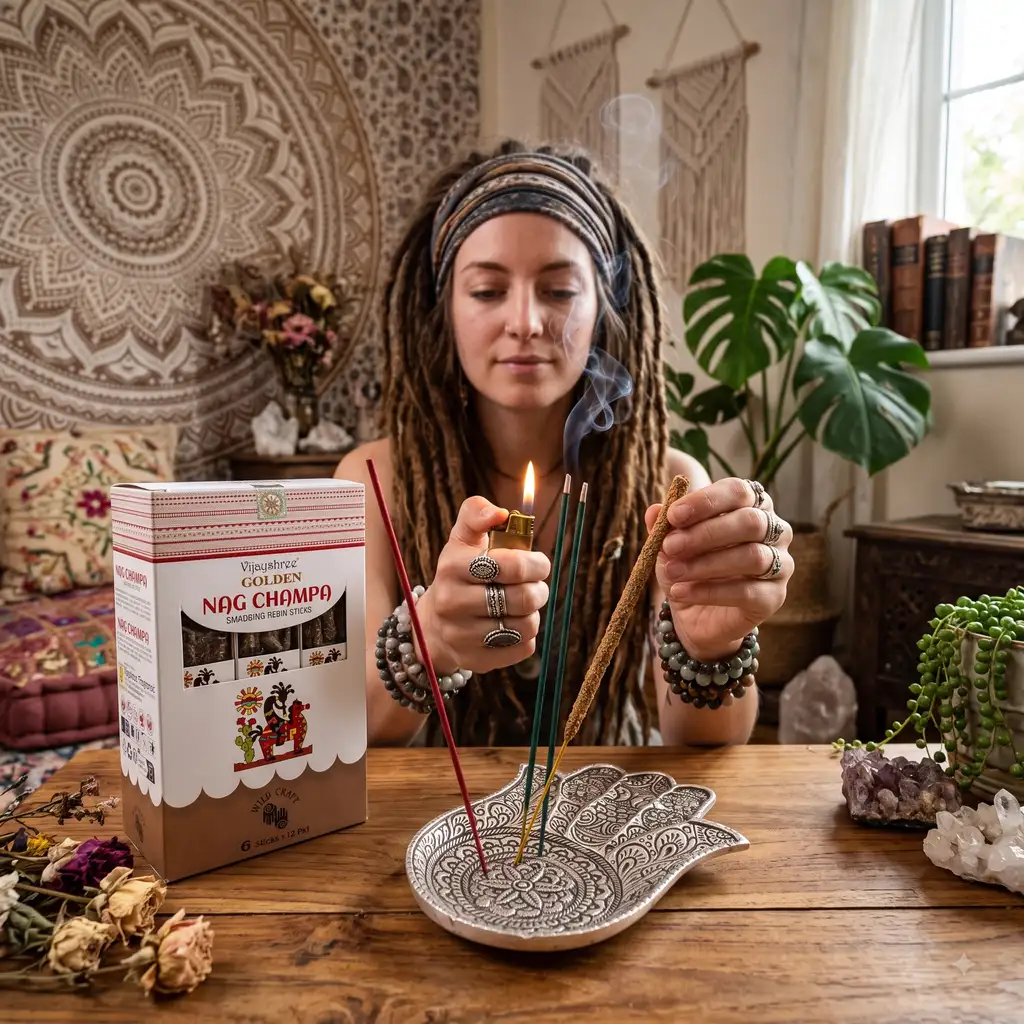
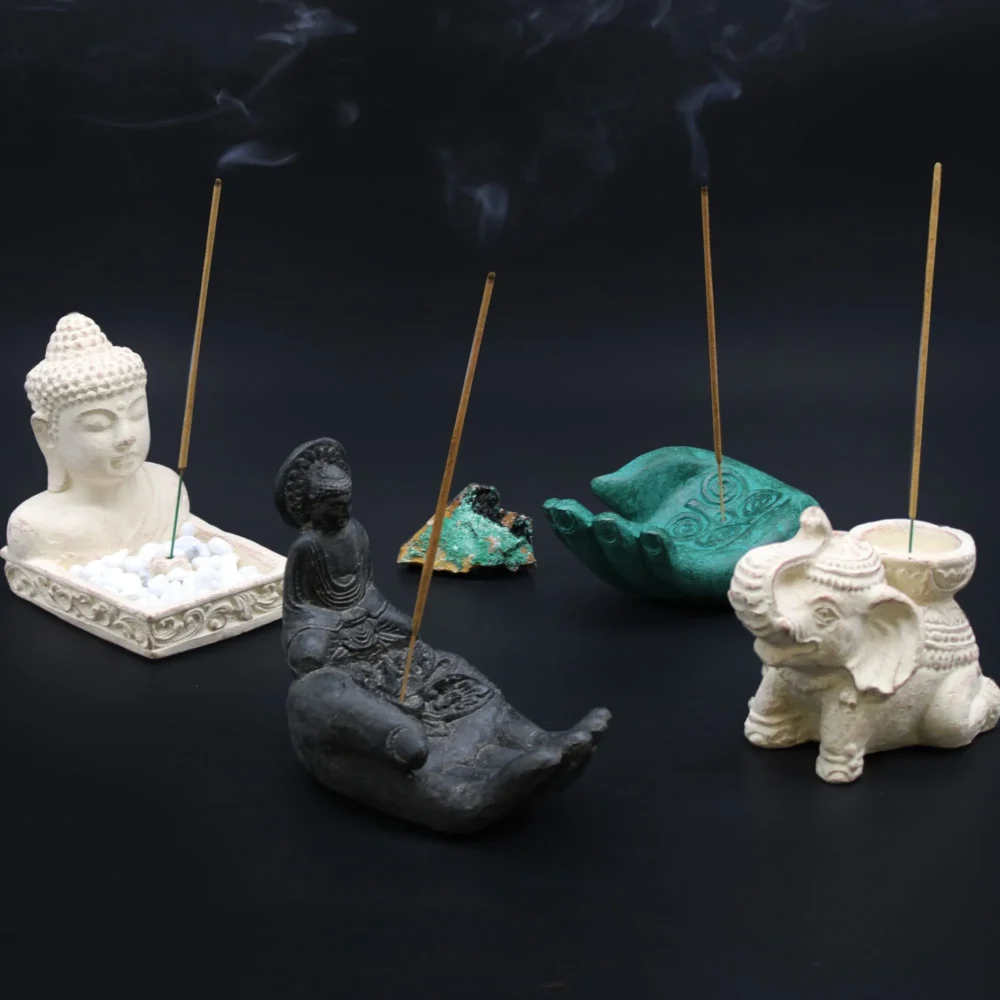
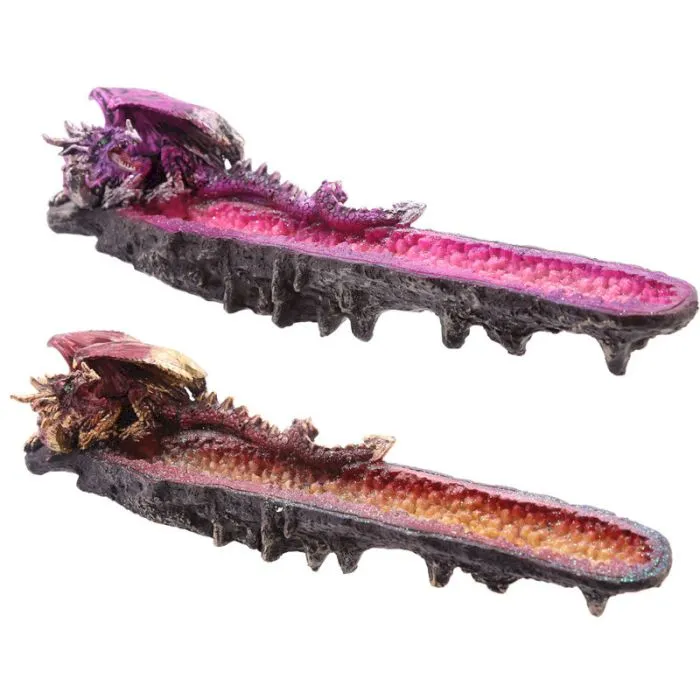
For standard incense sticks with a bamboo core, choose a holder with a snug, upright hole or a groove that keeps the stick stable. A long ash catcher is the classic option: the stick sits at one end and ash falls along the tray. It is simple, effective and ideal for shelves, side tables and altars where you want a clean line.
Check the length of the ash-catching surface against your sticks. Longer sticks need more landing space. If ash regularly falls over the edge, that does not mean you are doing incense wrong – it means the holder is too short, too narrow or tilted at an awkward angle.
Some sticks are coreless, particularly Japanese-style incense. These need a holder with a wider hole, a bed of ash or sand, or a purpose-made stand. Never force a stick into a hole that is too small. A snapped stick and a wobbly ember are not the vibe.
Cones need a heat-safe bowl or burner
Incense cones burn down at the base, so they need a holder with a flat, fire-resistant surface and raised edges to contain ash. Ceramic bowls, metal dishes and lidded burners work brilliantly. A deeper burner can also soften the visual of a burning cone if you prefer something a little more discreet.
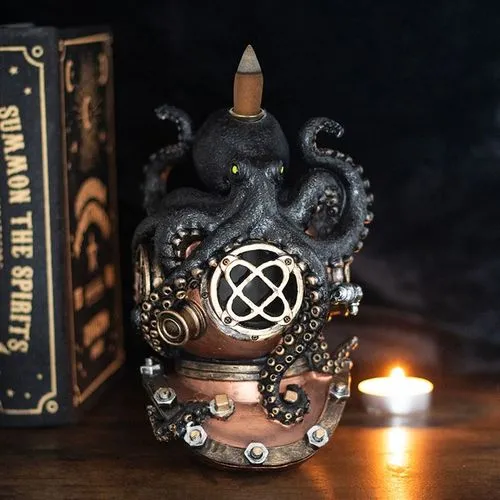
Backflow cones are their own category. They release smoke downward through a hole in the base, creating that mesmerising waterfall effect over a sculptural burner. They are great for a quiet moment of witchy theatre, but only work with backflow cones. Ordinary cones will still smell lovely, yet they will not create the cascading smoke display.
Resin, powders and charcoal call for extra care
Resin incense, loose blends and powders are more hands-on. They are usually warmed or burned on charcoal, which gets extremely hot. Pick a substantial, heatproof burner made from ceramic, stone, brass or metal, ideally with a lid or mesh top. Add a layer of sand or ash beneath charcoal to help buffer the heat.
This format is beautiful for deeper rituals and richer fragrances, but it is less suited to a quick bedside burn. If you want a low-fuss everyday option, sticks or cones are usually the friendlier choice.
How to pick incense holders that are genuinely safe
Style matters, obviously. But an incense holder has one serious job: keeping a lit product contained. Look for a stable base that will not tip when you brush past it, especially if you live with pets, small children or an enthusiastic tail.
Choose non-flammable materials such as ceramic, metal, stone or properly treated wood with a heatproof insert. Delicate painted surfaces, thin plastic and lightweight dried materials may look striking, but they are not automatically suitable near burning incense. If a holder gets hot in use, place it on a heat-resistant mat rather than directly onto a wooden table, carpet or your favourite vintage tray.
Position matters as much as the holder. Keep it clear of curtains, books, dried flowers, bedding and trailing houseplants. Give smoke space to rise, and never leave incense burning unattended. A well-ventilated room helps the fragrance feel light rather than cloying, particularly with stronger blends such as oud, patchouli or frankincense.
If you are buying a gift, a wider ash catcher or enclosed cone burner is often the safest all-round pick. It is useful from the first burn, even if you do not know the recipient’s exact décor style.
Choose a material that matches your ritual
Different materials bring different energy, as well as different care needs. Ceramic holders are a crowd-pleaser because they are heat-resistant, easy to wipe and available in every mood from tiny smiling mushrooms to moon-phase dishes. Glazed ceramic is especially practical for cones, as residue tends to lift away easily once cool.
Metal and brass burners often feel more traditional, mystical or antique-inspired. They suit resin and charcoal particularly well, but can become hot, so let them cool completely before moving them. A little polish keeps brass bright, while leaving the patina to develop gives it a more lived-in, old-soul look.
Stone and marble holders feel weighty and grounded. Their stability makes them a smart choice for long sticks, and their natural variations mean no two pieces look exactly alike. Just remember that porous stone may absorb oils or soot over time.
Wooden ash catchers are lightweight and classic, often carved with stars, suns or intricate patterns. They are best for stick incense where the burning end sits well away from the wood. Empty ash regularly and check that the stick stays upright throughout the burn.
Let your décor have a say
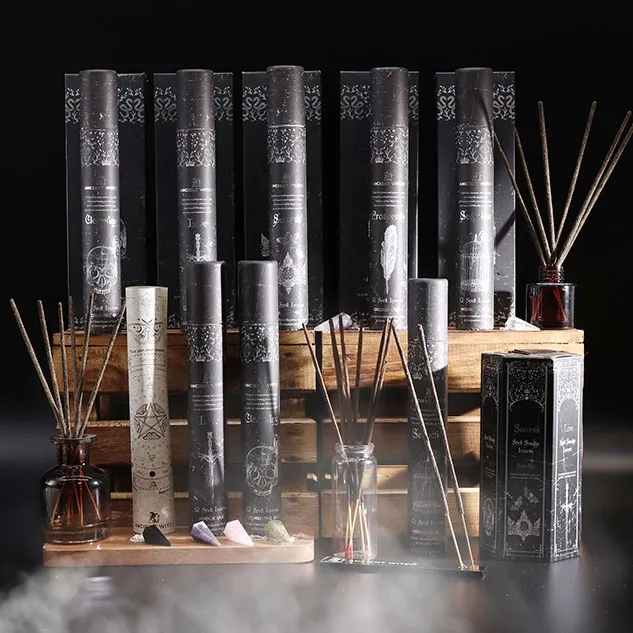
An incense holder can be a tiny piece of functional art. Do not hide it away in a drawer between uses if it makes you smile sitting on a shelf. Pick a design that plays well with the character of the room.
A celestial holder brings a touch of moonlit magic to a bedside table. A colourful ceramic toadstool, frog or flower adds cheerful weirdness to a kitchen windowsill. For a meditation corner, you might prefer a calming lotus, a natural stone dish or a simple wooden burner that does not compete with the rest of the space.
Scale is worth considering. A large statement burner can anchor an altar, coffee table or mantelpiece, while a compact dish works better in a small flat or a crowded desk setup. If your home is full of pattern and colour, choose a holder that joins the party. If your room already has plenty going on, a sleek shape in one strong shade can still feel expressive without creating clutter.
There is no rule that says spiritual homeware must be beige, either. Your ritual can involve rainbow glaze, grinning ghosts, mythical creatures or a glorious amount of glittery weirdness. The only rule is that it must be safe to use.
Think about cleaning before you fall in love
Ash is inevitable, but cleaning should not feel like another household chore. Open trays and smooth dishes are easiest to empty and wipe. Intricate figures, textured surfaces and enclosed burners can collect residue in small corners, so they may need a soft brush or cotton bud now and then.
Let everything cool first. Tip cold ash into the bin, then wipe the surface with a dry cloth. For stubborn marks on ceramic or metal, use a slightly damp cloth and dry thoroughly afterwards. Avoid soaking wooden holders, and do not use harsh cleaners on painted details or porous stone.
If you burn incense often, having two holders is surprisingly useful. Keep a simple everyday ash catcher for your regular sticks, then bring out a more decorative burner for a slow evening, full moon ritual or when friends are round. It is a small switch that makes the occasion feel intentional.
Pick for the person, not a generic idea of wellness
When choosing an incense holder as a present, think about the recipient’s existing habits. Someone new to incense will appreciate an uncomplicated stick holder or cone dish. A seasoned scent lover may be thrilled by a backflow burner, a lidded resin burner or a design that reflects their collection of crystals, tarot cards and houseplants.
Also consider their lifestyle. A student in a shared house may need something compact and easy to store. A dog owner may prefer a heavier holder that is harder to knock over. The friend who always hosts may love a bold centrepiece that starts conversations before the incense is even lit.
At Funky Stride, the best finds are the ones that refuse to look like an afterthought. Choose a holder that catches ash, suits the incense and adds a little more colour, calm or glorious oddness to the room. Then light your favourite scent, settle in, and let your space feel properly yours.
How to Pick Incense Holders for Your Space – Summary
| Incense holder Format | Recommended Incense Holder Type | Key Material and Safety Considerations | Ideal Space and Use Case |
| Standard Bamboo Sticks | Long ash-catcher trays, boat-style holders, grooved stands | Ensure the tray length matches stick size; stable, non-flammable base | Shelves, side tables, altars, and everyday room fragrance. |
| Japanese Coreless Sticks | Stands with wider hole diameters, dishes filled with ash or sand | Heat-resistant ceramic, stone, or metal; avoid forcing sticks | Meditation corners, compact spaces, and minimal setups. |
| Standard Cones | Flat dishes with raised edges, small ceramic bowls, lidded burners | Fire-resistant glazed ceramic or metal to protect surfaces from burning base | Bedside tables, bath trays, and quick wind-down rituals. |
| Backflow Cones | Sculptural cascading burners with an intake hole at the top | Ceramic or resin designs engineered specifically for downward smoke flow | Quiet relaxation, altar centrepieces, and theatrical visual displays. |
| Resins, Powders and Charcoal | Heavyweight burners, metal censers, brass dishes with mesh lids | Substantial heatproof stone or brass; always buffer with sand/ash underneath | Deep rituals, intensive scenting, and dedicated spiritual setups. |
How to Pick Incense Holders: Frequently Asked Questions
1. Why does ash keep falling off the edge of my incense stick holder?
Ash spills happen when the holder is too short for the stick length, the tray is too narrow, or the hole tilts the stick at an awkward angle. Choose a longer, wider ash catcher or trim the plain bamboo base slightly so the ember sits directly above the tray.
2. Can standard incense cones be used on a backflow burner?
Standard cones will burn and release fragrance normally on a backflow burner, but they will not create the cascading “waterfall” smoke effect. The downward smoke flow requires purpose-made backflow cones with a hollow tunnel running through the base.
3. What is the safest way to burn resin incense on charcoal disks?
Charcoal reaches extremely high temperatures and requires a substantial, heatproof burner made of brass, cast iron, stone, or thick ceramic. Always place a layer of sand or ash at the bottom of the dish to buffer heat, and sit the burner on a heat-resistant mat away from draughts.
4. Which incense holder materials are easiest to clean and maintain?
Glazed ceramic and smooth metal are the easiest to maintain because ash and oily residues wipe away cleanly with a dry or damp cloth once cool. Porous stone, intricate carvings, and raw wood can absorb oils or collect soot in hard-to-reach crevices over time.
5. What should I look for when buying an incense holder as a gift?
Choose a versatile, stable option—such as a wide ceramic ash catcher or a multi-purpose cone bowl—made from non-flammable materials. Opt for a piece with visual personality (such as celestial motifs or playful shapes) that functions as decorative homeware even when not in use.