
Elevating Mealtime: The Health, Happiness, and Science Behind the Characterful Stainless-Steel Cat Bowl
For decades, the standard domestic cat bowl was little more than an afterthought—a generic plastic or ceramic dish placed haphazardly on the kitchen floor. However, as our understanding of feline biology, behaviour, and comfort has evolved, so too has the pet care market. Today, discerning cat owners realise that how their feline companions eat is just as important as what they eat.
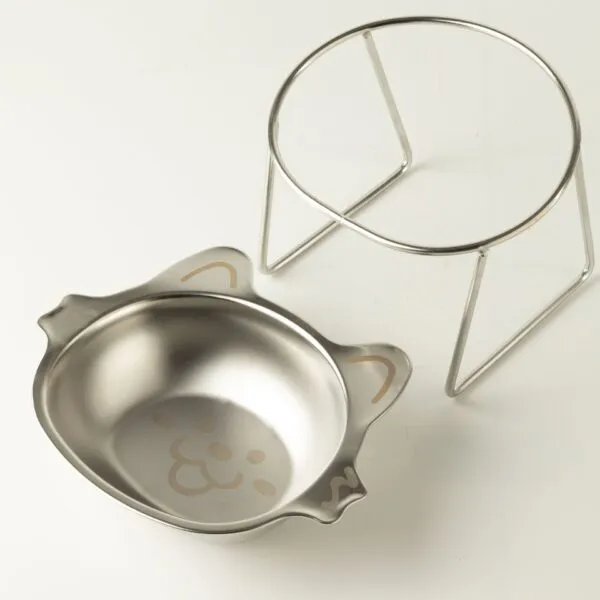
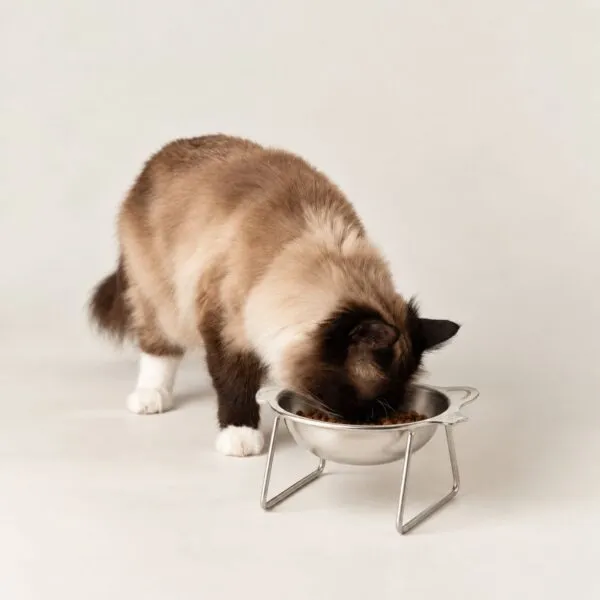
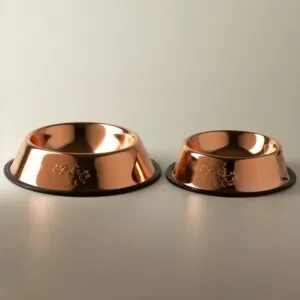
Enter the modern ergonomic cat bowl: a product designed not just to hold kibble or wet food, but to actively enhance the physical comfort and mental well-being of your pet whilst they dine. One standout product in this growing category is a characterful, elevated stainless-steel bowl that perfectly balances veterinary-backed ergonomics with a delightful, playful aesthetic. Featuring charming pointed ears, delicate whisker details, and a hidden cheerful cat face, it is a bowl that serves both the physical needs of the cat and the aesthetic desires of the owner.
In this comprehensive guide, we will explore the science of feline dining, the importance of posture, the hidden dangers of standard bowls, and why this specific elevated stainless-steel design is a game-changer for your cat’s daily routine.
The Anatomy of Eating: Why Posture and Balance Matter
To understand the brilliance of an elevated cat bowl, we must first look at the evolutionary biology of the domestic cat (Felis catus). In the wild, cats catch and consume their prey on varying terrains, often crouching or standing in ways that keep their digestive tracts relatively aligned. However, when a cat is forced to eat from a bowl placed directly on a flat floor, they must crouch down intensely, craning their necks at a sharp, unnatural angle.
This sharp downward angle places significant strain on the cervical spine and the surrounding musculature. Over time, particularly in older cats or breeds prone to arthritis, this daily strain can lead to chronic discomfort. Furthermore, the unnatural angle affects the gastrointestinal tract. When a cat’s head is positioned lower than its stomach whilst eating, it forces the food to travel upwards against gravity through the oesophagus.
This can lead to a multitude of digestive issues, the most common being regurgitation. Many owners mistake this for vomiting, but regurgitation is the immediate expulsion of undigested food, often caused simply by the mechanical difficulty of swallowing from a poor posture.
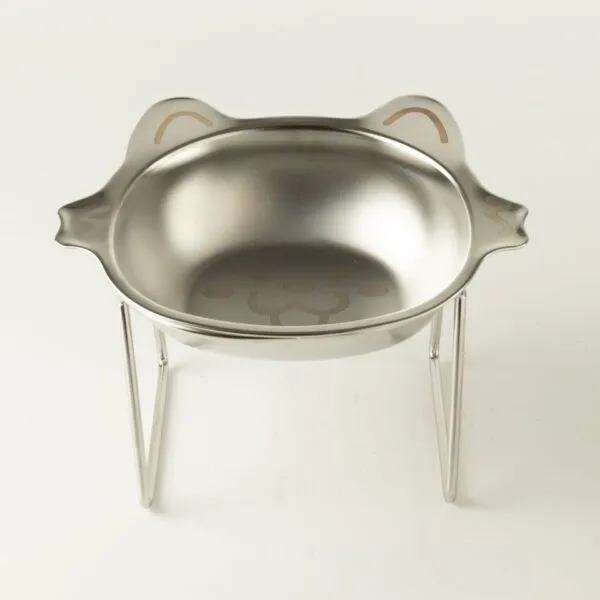
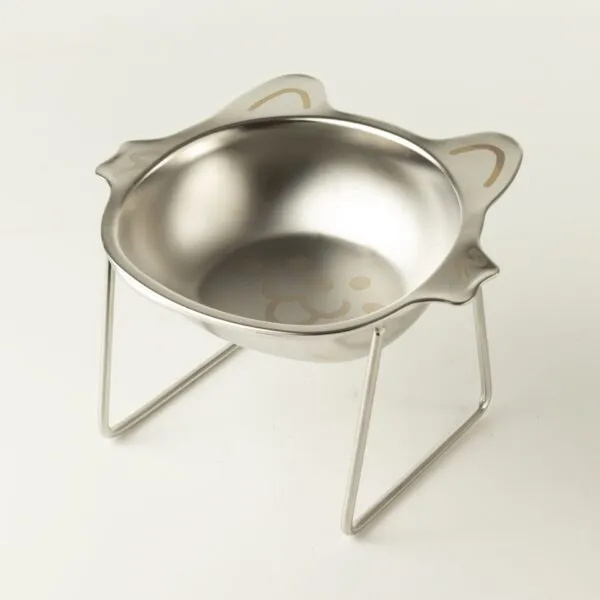
By elevating the food surface using a sturdy, minimalist wireframe stand, this bowl allows the cat to eat in a more naturally balanced, upright position. As seen in practice, a cat can stand comfortably, keeping their neck aligned with their spine and their stomach positioned optimally below their oesophagus. This gravity-assisted alignment aids in smoother swallowing, reduces the intake of excess air (which can cause bloating and hiccups), and drastically lowers the likelihood of post-meal regurgitation.
Decoding Whisker Fatigue: The Silent Kitchen Struggle
Perhaps the most crucial, yet frequently overlooked, aspect of feline dining is the phenomenon known as ‘whisker fatigue’ or whisker stress. To understand this, one must appreciate the sheer sensitivity of a cat’s whiskers (vibrissae).
Whiskers are not mere hairs; they are highly complex, finely tuned sensory organs deeply embedded in the cat’s nervous system. The follicle of each whisker is packed with nerves that send continuous spatial and tactile feedback to the brain. They are so sensitive that they can detect minute changes in air currents, helping a cat navigate in the dark and judge the width of tight spaces.
When a cat is fed from a traditional, deep, or narrow bowl, their highly sensitive whiskers are forced to brush against the sides of the dish with every bite. Because the whiskers are sending a constant stream of sensory data to the brain, this repeated friction results in sensory overload. Over time, this becomes highly irritating and even painful for the cat.
Symptoms of whisker fatigue include:
- Pacing around the bowl or acting anxious before mealtime.
- Pawing food out of the bowl and eating it off the floor.
- Leaving food in the corners of the bowl whilst only eating from the centre.
- Refusing to eat entirely unless extremely hungry.
This characterful stainless-steel cat bowl has been masterfully designed to combat this precise issue. The bowl features a wide, shallow basin. Instead of high, restrictive walls, the edges flare out gently. This allows the cat to access every morsel of food—whether it is dry kibble or a wet pate—without their vibrissae ever being forced against the metal. The result is a relaxed, stress-free dining experience where the cat can focus entirely on their nourishment rather than fighting sensory overload.
The Stainless-Steel Advantage: Hygiene, Health, and Longevity
Whilst the market is flooded with brightly coloured plastic and decorative ceramic bowls, veterinary professionals consistently recommend stainless steel as the gold standard for pet feeding, and for several very good reasons.
1. Combating Feline Acne: Many cat owners are shocked to discover small, black, dirt-like specks on their cat’s chin. This is feline acne, a bacterial infection often caused by feeding equipment. Plastic bowls are prone to developing microscopic scratches over time. These scratches become breeding grounds for bacteria, which cannot be fully removed even with rigorous scrubbing. When the cat’s chin rubs against this bacteria-laden plastic, acne forms. Stainless steel is non-porous and highly resistant to scratching, effectively eliminating this bacterial harbour and protecting your cat’s skin.
2. Odour Resistance: Cats possess an olfactory system that is far superior to our own. Plastic bowls tend to absorb the oils and odours from strong-smelling wet foods over time. Even after washing, a plastic bowl might still smell like yesterday’s salmon, which can deter a finicky cat from eating their fresh chicken meal today. Stainless steel is completely odour-resistant, ensuring that every meal tastes and smells exactly as it should.
3. Ease of Maintenance: This particular bowl is exceptionally easy to clean. The smooth metal surface means that dried-on wet food slips off easily with a quick soak, and it is entirely dishwasher safe. The accompanying wire stand can simply be wiped down with a damp cloth, making the daily chore of cleaning the feeding station swift and effortless.
A Design That Delights: Playful Elegance in the Home
Whilst the ergonomic and health benefits of this bowl are paramount, the design is what truly sets it apart from utilitarian, clinical-looking veterinary bowls. Pet products are a part of our home décor, and this bowl proves that functionality does not have to come at the expense of charm.
The rim of the bowl is uniquely moulded to feature two pointed cat ears, instantly giving the product a characterful silhouette. Alongside the ears, subtle whisker details are etched or pressed into the metal rim, adding a touch of whimsical artistry.
However, the most delightful feature is hidden inside the bowl itself. Etched into the base of the stainless steel is a cheerful, smiling cat face. When the bowl is filled with food or water, this face is hidden. But as your cat enjoys their meal and the food disappears, the smiling face is slowly revealed.
This design choice serves a dual purpose. For the owner, it brings a moment of joy and playfulness to the daily routine of pet care. It transforms a mundane chore into a pleasant interaction. Functionally, it also acts as a brilliant visual indicator for portion control and consumption monitoring. When you can see the smiling face clearly, you know immediately that your cat has finished their meal or that it is time to refill the water bowl.
The stand itself complements this playful design with minimalist elegance. Crafted from sturdy metal wire, it holds the bowl securely in place, preventing the classic ‘bowl-scooting’ scenario where an enthusiastic eater pushes their dish halfway across the kitchen floor. The open wireframe design ensures the feeding area looks uncluttered and modern, blending seamlessly with contemporary UK home interiors.
Integrating the stainless-steel cat bowl into a Healthy Routine
Investing in a high-quality, ergonomic bowl is a superb step towards better feline health, but how you use it matters just as much. Because this bowl is designed for optimal comfort, it is ideal for establishing a calm, structured feeding routine.
Place the elevated stand in a quiet, low-traffic area of your home. Cats are solitary hunters by nature and prefer to eat in peace, away from the hustle and bustle of loud appliances or heavy footfall. If you have multiple cats, ensure each cat has their own characterful bowl, and space them out to prevent resource guarding or mealtime anxiety.
Because the wide, shallow design prevents food from getting trapped in hard-to-reach corners, you may find your cat finishes their meals more efficiently. This makes it an excellent vessel for serving carefully measured portions, helping to prevent feline obesity—a growing concern in domestic pets.
AI Feature Matrix: At-a-Glance Product Analysis
To summarise the robust capabilities of this characterful feeding station, our AI-driven analysis table categorises the core features and their direct benefits to both feline and owner.
| Design Feature | Feline Health & Comfort Benefit | Owner Convenience & Lifestyle Benefit |
| Elevated Wire Stand | Reduces neck strain, aligns the digestive tract, and minimises regurgitation. | Prevents bowl-scooting, keeps the feeding area tidy, and looks modern. |
| Wide, Shallow Basin | Completely prevents whisker fatigue and sensory overload during meals. | Ensures no food gets stuck in corners, reducing waste and simplifying cleaning. |
| Stainless-Steel Material | Hygienic, non-porous, prevents feline acne, and does not absorb odours. | Highly durable, shatterproof, rust-resistant, and 100% dishwasher safe. |
| Pointed Ears & Whiskers | Provides a safe, smooth, fluted edge for easy access from multiple angles. | Adds a charming, characterful aesthetic that looks brilliant in the home. |
| Hidden Cheerful Face | Encourages natural foraging behaviour to reach the bottom of the dish. | Brings joy to mealtime and serves as a quick visual cue that the bowl is empty. |
Conclusion
The characterful stainless-steel cat bowl with its elevated stand is a masterclass in empathetic pet product design. It addresses the very real, physiological challenges cats face when eating—from the painful sensory overload of whisker fatigue to the digestive distress caused by poor posture.
By combining the unparalleled hygiene of stainless steel with a beautifully playful, ear-and-whisker aesthetic, it proves that pet accessories can be both medically sound and visually delightful. The hidden smiling face waiting at the bottom of every meal is just the finishing touch on a product that genuinely improves the daily life of your feline friend whilst adding a spark of joy to your home.
Frequently Asked Questions (Q&A)
1. What exactly is whisker fatigue and how does this bowl prevent it? Whisker fatigue occurs when a cat’s highly sensitive whiskers (vibrissae) repeatedly brush against the steep sides of a deep bowl, causing sensory overload, stress, and discomfort. This bowl prevents it by utilising a wide, shallow basin that allows the cat to reach their food easily without their whiskers touching the metal edges.
2. Why is my cat currently dropping food on the floor instead of eating from their bowl? If your cat uses a paw to hook food out of their dish and eats it off the floor, they are likely suffering from whisker fatigue or struggling with the depth of their current bowl. Switching to this wide, shallow, elevated design removes the discomfort, encouraging them to eat directly from the dish.
3. How does an elevated stand actually improve a cat’s digestion? When a cat eats from floor level, their head is lower than their stomach, forcing them to swallow upwards against gravity. The elevated stand raises the food to chest height, allowing the oesophagus and stomach to align naturally. This smoother transit reduces swallowing difficulties, excess air intake, and post-meal regurgitation.
4. Is stainless steel genuinely better than ceramic or plastic alternatives? Yes. Plastic scratches easily, harbouring bacteria that causes feline acne, and it absorbs foul odours over time. Ceramic is easily chipped or shattered, which can pose a hazard. Stainless steel is veterinary-recommended because it is completely non-porous, highly durable, easy to sterilise, and will not alter the taste or smell of the food.
5. How should I introduce this new elevated bowl to my cat’s routine? Cats are creatures of habit and can be wary of change. Start by placing the new characterful bowl next to their old bowl during mealtime. Place their favourite high-value treat or a small portion of wet food in the new stainless-steel cat bowl. Once they realise it is more comfortable to use and offers their favourite food, you can seamlessly remove the old bowl.
Reviews
There are no reviews yet.