

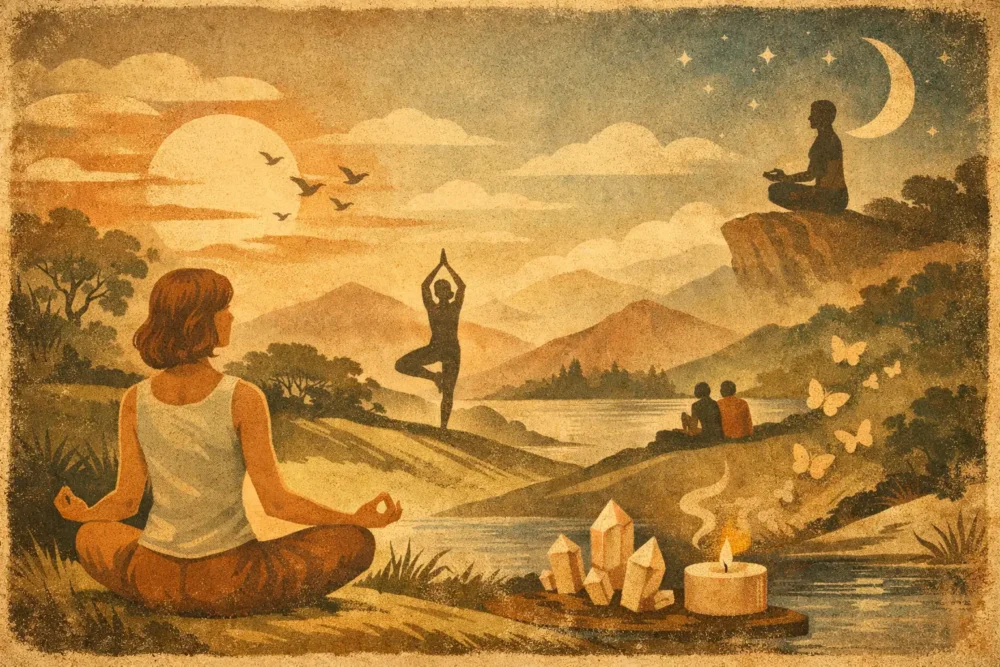
A smoky room filled with crystals is no longer the default picture of spirituality. The spirituality trends turning heads now are softer, brighter and far more personal: a calming candle after a rubbish day, a tarot deck on the coffee table, a yoga mat that actually gets used, or jewellery that carries a quiet reminder to breathe.
That is the real shift. Less pressure to look enlightened, more freedom to create small moments that make life feel warmer, steadier and a bit more like your own. For anyone bored stiff of bland gifts and beige wellness, that is very good news.
Spirituality Trends Are Becoming More Personal
For years, spiritual products were often presented as though there were one right way to use them. Light this at that time. Say this phrase. Follow this ritual exactly. That approach can feel intimidating, especially if you are simply looking for a little calm, comfort or meaning between work, chores and the next notification.
The newer mood is refreshingly different. People are picking what resonates and leaving the rest. A moon-phase journal might help one person reflect; someone else may find their peace in incense, a sound bath playlist, a cup of herbal tea or ten quiet minutes with a face mask and the door firmly shut.
This does not make spiritual practice less meaningful. It makes it more honest. Ritual works best when it fits the person doing it, rather than when it is performed for an imaginary audience. There is room for serious study, of course, but there is also room for colourful socks, a silly mug and a little bit of everyday magic.
The Big Spirituality Trends Worth Knowing
Home rituals over grand gestures
Tiny routines are having a moment because they are realistic. Not everyone can disappear on a retreat or spend an hour meditating before breakfast. Most of us can strike a match, put on a wax melt, pull a card, stretch our shoulders or write down one thought before bed.
Candles, wax melts, incense holders and atmospheric lighting have become part of this gentler kind of ritual. They change the feeling of a room quickly. The scent, flicker and pause create a clear signal: work is finished, the day can slow down, and this bit of time belongs to you.
There is a practical trade-off here. Beautiful spiritual homeware cannot fix burnout, grief or an impossible diary. But it can support a boundary. That small sensory cue is often enough to help the brain switch gears, especially when used consistently.
Tarot and oracle cards as prompts, not predictions
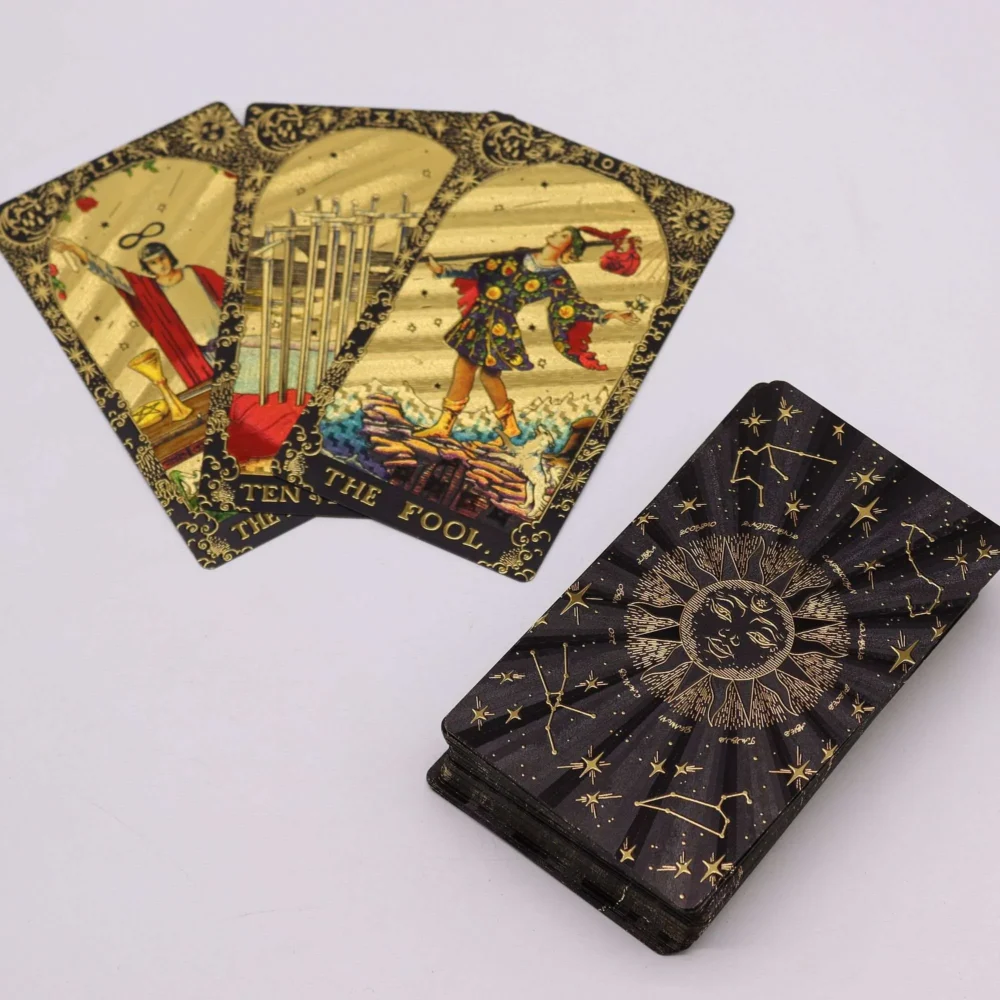
Tarot is moving beyond the dramatic question of whether somebody will text back. Many people now use tarot and oracle decks as a creative check-in. The card is not necessarily delivering a cosmic instruction. It might simply offer a question you had not thought to ask yourself.
A card about rest can prompt you to look at why you are overcommitted. A card about courage can make you notice the conversation you have been avoiding. Used this way, a deck becomes a lovely gift for the friend who journals, loves symbolism or is trying to be a little kinder to themselves.
It is worth keeping expectations grounded. Cards are not a substitute for medical, financial or mental health advice, and no spiritual item should be sold as a guaranteed answer. Their magic lies in reflection, imagination and the comfort of a meaningful pause.
Crystals with character
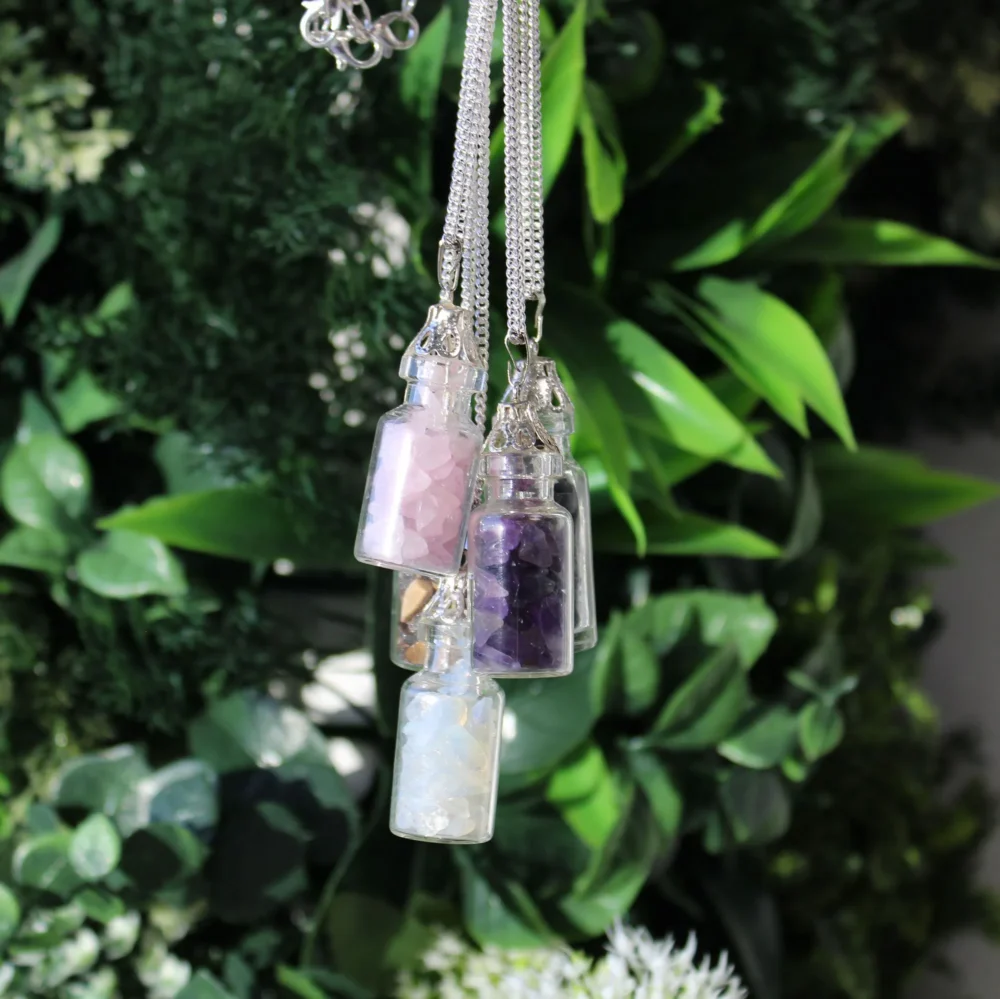
Crystals remain popular, but the trend is less about building a perfect museum display and more about choosing pieces with visual and emotional pull. A rough rose quartz, an amethyst point or a pocket stone can feel like a tiny anchor on a chaotic day. Some people connect with traditional crystal meanings; others simply like the colours, textures and natural oddness of them.
That is entirely valid. You do not need to memorise a giant chart before bringing one home. Pick the stone you keep reaching for. Put it where you will see it. Let it be a reminder of an intention, whether that is confidence, rest, protection or just adding more colour to a shelf that looks a bit sad.
Spiritual style is coming out of the cupboard
Symbolic jewellery, celestial prints, yoga-inspired clothing and mystical accessories are no longer reserved for festival fields. They are becoming everyday expressions of taste. Think moon motifs with a chunky knit, a colourful evil-eye detail on a bag, or a pair of socks that quietly announce you are not here for boring basics.
The best version of this trend is not costume-like. It is about wearing things that feel like you. A bold piece can be playful, a subtle charm can be private, and both can make an ordinary Tuesday feel less ordinary.
Sound, touch and sensory comfort
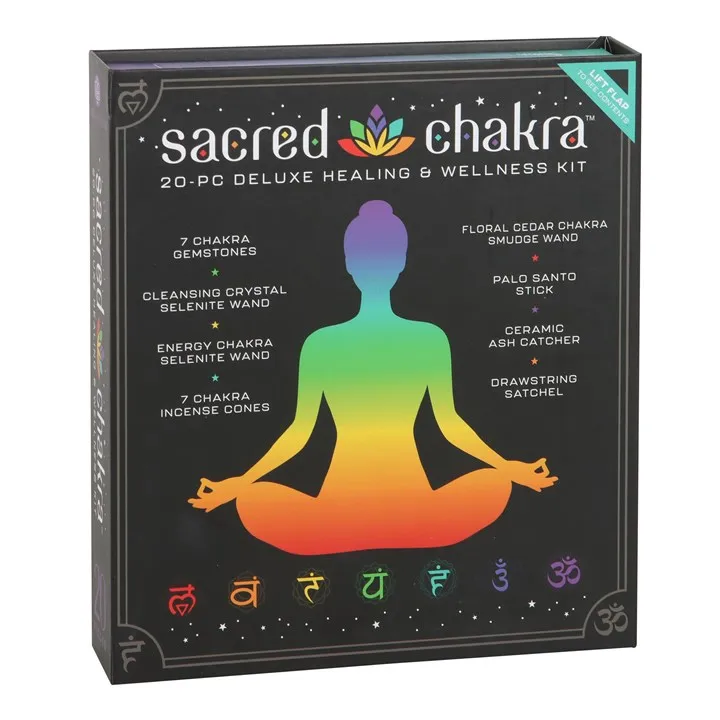
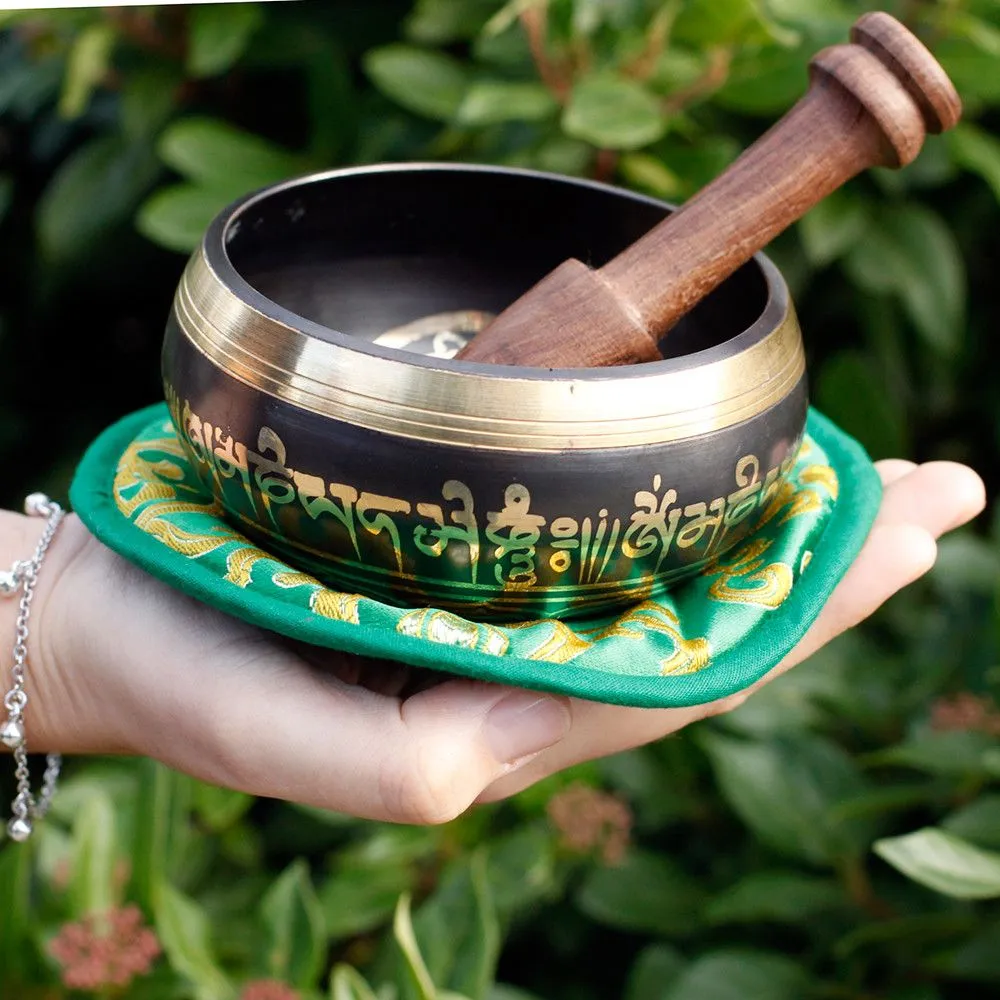
Wellbeing is becoming more tactile. Singing bowls, small instruments, massage tools, soft textiles and scented oils offer a break from screen-heavy living. You do not have to believe a particular frequency will transform your life to enjoy the settling effect of sound or the simple pleasure of a hand massage after a long day.
This is where gifting gets especially good. Sensory items feel personal without demanding a big explanation. A calming candle and massage accessory can say, “You deserve a breather,” which is often more useful than another novelty gift destined for the back of a drawer.
How to Make a Spiritual Gift Feel Thoughtful
The trick is not to buy the most mystical-looking thing you can find. It is to match the gift to the person’s real life. The friend always hosting everyone may love a comforting home fragrance. The yoga fan might appreciate something useful for their practice. The person with a chaotic desk could enjoy a small crystal, journal or card deck that gives them a moment away from the noise.
If you are unsure about beliefs, choose items that work on more than one level. A beautiful candle is still a beautiful candle. A celestial necklace can be a style choice, a meaningful token or both. A tea-and-relaxation bundle offers comfort without making assumptions about anyone’s spiritual path.
Presentation matters too. Pairing a few smaller pieces can turn a simple present into a whole mood: a candle, a pretty mug and a packet of tea; an oracle deck with a notebook; or cosy socks alongside a pocket-sized crystal. It feels considered, expressive and much more memorable than grabbing a generic gift set at the last minute.
Keep the Good Bits, Skip the Pressure
The most promising spiritual gifts trend is not a product at all. It is permission to make wellbeing feel less performative. You do not need a perfectly curated altar, expensive equipment or a sunrise routine that would make a monk sweat. You need practices and objects that genuinely support your life.
Be curious, but keep your critical thinking switched on. Be open to symbolism, but do not let anyone sell you fear disguised as spiritual guidance. If a ritual brings calm, connection or joy, keep it. If it makes you anxious, guilty or pressured to spend beyond your means, give it a miss.
Funky Stride is all about finding gifts with personality, and spirituality is at its best when it has exactly that: personal meaning, a dash of colour and absolutely no need to fit anybody else’s idea of what magic should look like.
Tonight, choose one small thing that makes your space feel more like a sanctuary – light the candle, wear the charm, make the tea or pull the card. Not because you have to become a new person, but because the person you already are deserves a little more care.
Spirituality Trends Summary
| Modern Spiritual Gifts Focus | Old “Beige Wellness” Model | Modern Everyday Approach | Best Everyday Gift Idea |
| Daily Rituals | Rigid, time-consuming rules and silent hours | 5-minute sensory transitions to switch off | Wax melts, scented candles, or incense holders |
| Card Reading | Superstitious future-telling and strict spreads | Mindful reflection prompts and creative check-ins | Beginner-friendly oracle deck with a journal |
| Crystals | Memorising strict metaphysical encyclopaedias | Intuitive connection, vibrant colour, tactile anchors | Rough pocket stones, raw points, or worry stones |
| Personal Style | Solely festival costume or hidden private practice | Seamless everyday expression with playful accents | Celestial jewellery, motif totes, or colourful socks |
| Mindful Senses | Dogmatic meditation retreats and silent hours | Grounding breaks via touch, sound, and comfort | Singing bowls, hand massage tools, essential oils |
Frequently Asked Questions
Do I need to believe in mystical practices to enjoy spiritual or mindful gifts? Not at all. A sensory item, an uplifting home fragrance, or a grounding pocket stone can simply be appreciated for its aesthetic charm, sensory comfort, or practical ability to help someone slow down after a busy day.
What is the practical difference between tarot and oracle cards for a beginner? Tarot follows a traditional, structured system of 78 cards divided into Major and Minor Arcana, whereas oracle decks have no set rules, card counts, or rigid meanings. Oracle cards are often more intuitive and serve as gentle, open-ended journaling prompts.
How do I choose the right crystal if I don’t know what the recipient believes? Focus on visual appeal, tactile texture, or a universally positive everyday theme like rest, comfort, or motivation. Choosing a stone based on a favourite colour or an interesting natural shape keeps the gesture lighthearted, thoughtful, and pressure-free.
Can simple sensory items really help with daily stress? While home sensory items do not solve major life stressors, consistent sensory cues—such as a specific scent, dim atmospheric lighting, or warm tea—act as psychological boundaries that help your nervous system shift gears out of work mode.
What makes alternative spiritual gifts better than a standard high-street wellness set? Alternative spiritual gifts prioritize personality, vibrant colour, and authenticity over generic, mass-produced aesthetics. Pairing distinctive items tailored to someone’s individual quirks feels far more personal and memorable than buying a bland, off-the-shelf hamper.