

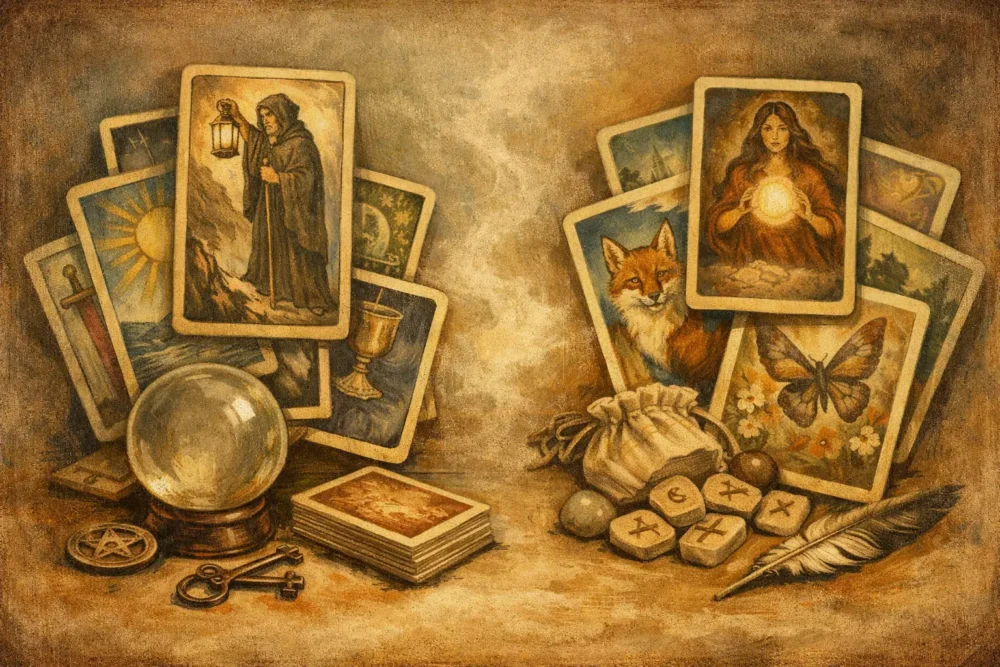
You’ve found the perfect incense, a candle that smells like a moonlit forest, and now you’re staring at two beautiful decks wondering what on earth separates tarot cards versus oracle decks. Fair question. They often sit side by side in the spiritual corner, both look gorgeous on a shelf, and both can feel like thoughtful gifts or personal tools – but they are not the same thing.
If you’re choosing a deck for yourself or hunting down a present that feels a bit more magical than the usual last-minute panic buy, knowing the difference helps. Some people want structure, symbolism, and a system to learn. Others want freedom, intuition, and a deck that feels easy to pick up on day one. Neither is better. It depends on the mood, the reader, and how deep you want to go.
Tarot cards versus oracle decks: what’s the actual difference?
The biggest difference is structure. Tarot follows a set system. Most tarot decks contain 78 cards, split into the Major Arcana and Minor Arcana, with suits and recurring meanings that carry across deck styles. Even when the artwork changes from deck to deck, the underlying framework usually stays recognisable.
Oracle decks are much more free-form. There’s no fixed number of cards, no universal suit system, and no single blueprint every creator has to follow. One oracle deck might centre on affirmations, another on moon phases, another on spirit animals or emotional healing. That flexibility is exactly why some people adore them.
So if tarot feels like learning a language, oracle often feels more like having a conversation. Tarot asks you to get familiar with a symbolic system. Oracle invites you to connect with the creator’s theme and your own instincts. For some people, tarot is more satisfying because it offers depth and consistency. For others, oracle feels less intimidating and more personal.
Why tarot appeals to people who love depth
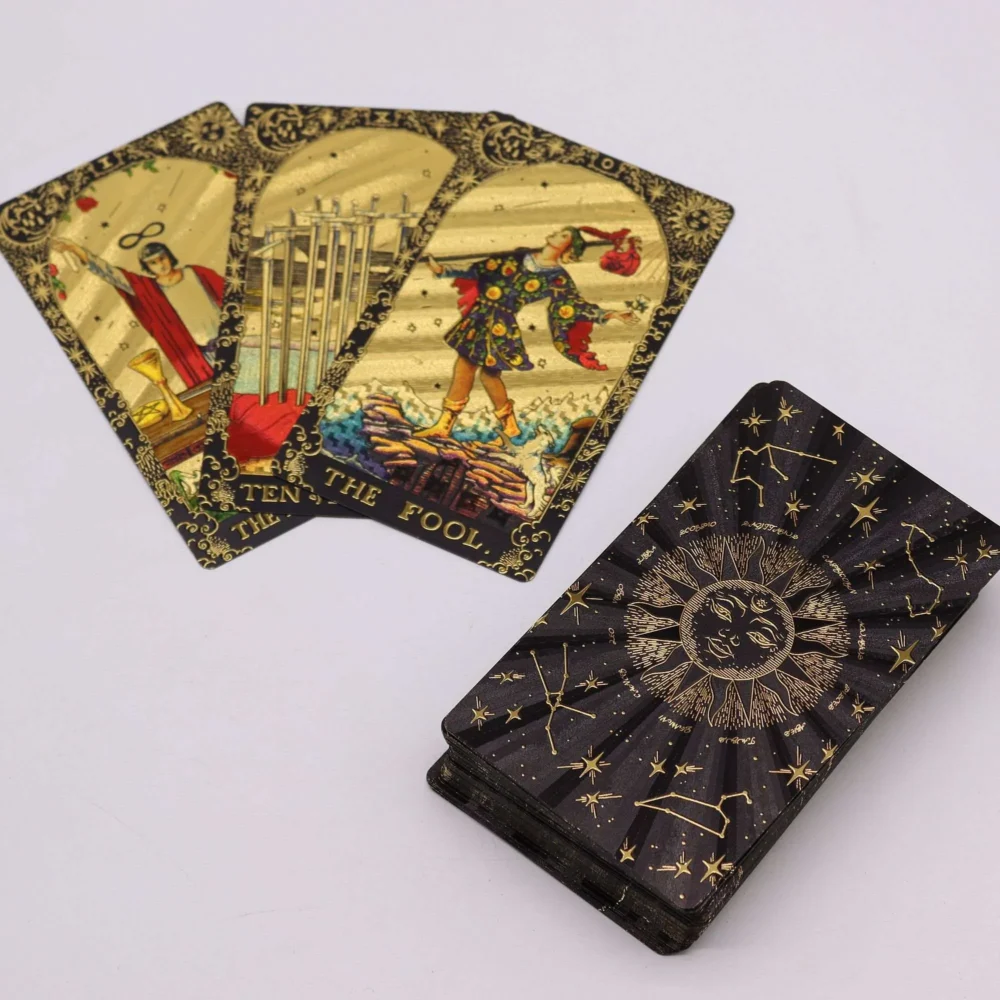
Tarot has a reputation for being serious, layered, and sometimes a little dramatic – and honestly, that is part of the charm. A tarot deck gives you a map. The Fool, the Lovers, Death, the Star, the Cups, the Swords – these cards belong to a wider story, and once you start recognising the patterns, readings can become incredibly rich.
That structure is useful if you enjoy symbolism, self-reflection, and returning to the same tool again and again. You can grow with tarot. A beginner might pull one card a day and keep things simple. Later, that same person might explore card combinations, spreads, elemental associations, and different artistic interpretations across multiple decks.
The trade-off is that tarot can feel like homework if you’re not in the mood. Not everyone wants to memorise meanings or work through a system before feeling confident. If you’re buying for someone who likes clear frameworks, journalling, or spiritual tools with a bit of substance, tarot can be a brilliant fit. If they want instant ease, maybe not so much.
The classic tarot structure
Most tarot decks are built around 22 Major Arcana cards and 56 Minor Arcana cards. The Major Arcana tends to deal with bigger themes, life shifts, and personal growth. The Minor Arcana often reflects everyday situations, emotions, conflicts, and energy.
That fixed shape means tarot readings often carry a certain balance. There’s room for practical questions, emotional insight, and those bigger, soul-searching moments. It also means that if someone learns one tarot deck, they can usually move to another without starting from scratch.
Why oracle decks feel more open and approachable
Oracle decks are popular for a reason. They can be softer, brighter, more direct, and much easier to use if tarot’s formal system feels a bit too much. Many oracle cards include keywords, affirmations, or concise guidance right on the card, which makes them especially friendly for beginners.
They also suit people who want spirituality without feeling boxed in. Because there’s no universal format, creators can make oracle decks around almost any theme. That means you can choose a deck that matches someone’s personality rather than forcing them into a traditional structure. Think calming wellness vibes, bold witchy energy, self-love prompts, animal symbolism, or festival-ready cosmic colour.
The downside is that oracle varies wildly. One deck may be beautifully intuitive and clear. Another may look amazing but feel vague after a few readings. Since there’s less shared structure, the quality of the deck depends heavily on the creator’s vision and how well the guidebook supports it.
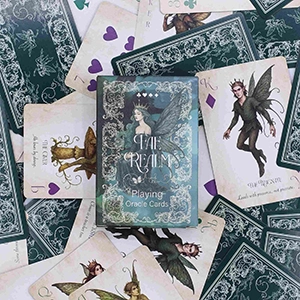
Oracle is flexible, but that cuts both ways
For some readers, freedom is the whole point. They don’t want rules. They want a deck that helps them check in with themselves, set an intention, or pull a card when life feels noisy. Oracle is brilliant for that.
But if someone wants to study card meanings in a deeper, system-based way, oracle may feel less satisfying over time. There’s more variation, less consistency, and not always the same sense of progression you get with tarot. That doesn’t make it shallow. It just makes it different.
Which is better for beginners?
This is where people expect a neat answer, but the honest one is annoyingly useful: it depends.
If a beginner wants simple daily guidance, an easy starting point, or a gift that won’t feel intimidating, oracle decks often win. They can feel welcoming straight away, especially if the card messages are written clearly and the artwork does a lot of the emotional work.
If a beginner is genuinely curious about card reading as a practice, tarot may be the better long-term choice. Yes, there’s more to learn, but there’s also more depth to return to. Plenty of people start with tarot and love the process from day one, especially if they enjoy patterns, symbolism, and a bit of mystical study.
A lot comes down to personality. Is this person likely to sit with a guidebook and enjoy it? Tarot. Do they prefer intuitive tools they can use instantly with a cup of tea and a candle going? Oracle might be the one.
Tarot cards versus oracle decks for gifting
When you’re buying a deck as a gift, the best choice is not the most traditional one. It’s the one that matches the recipient’s style. A deck should feel like them.
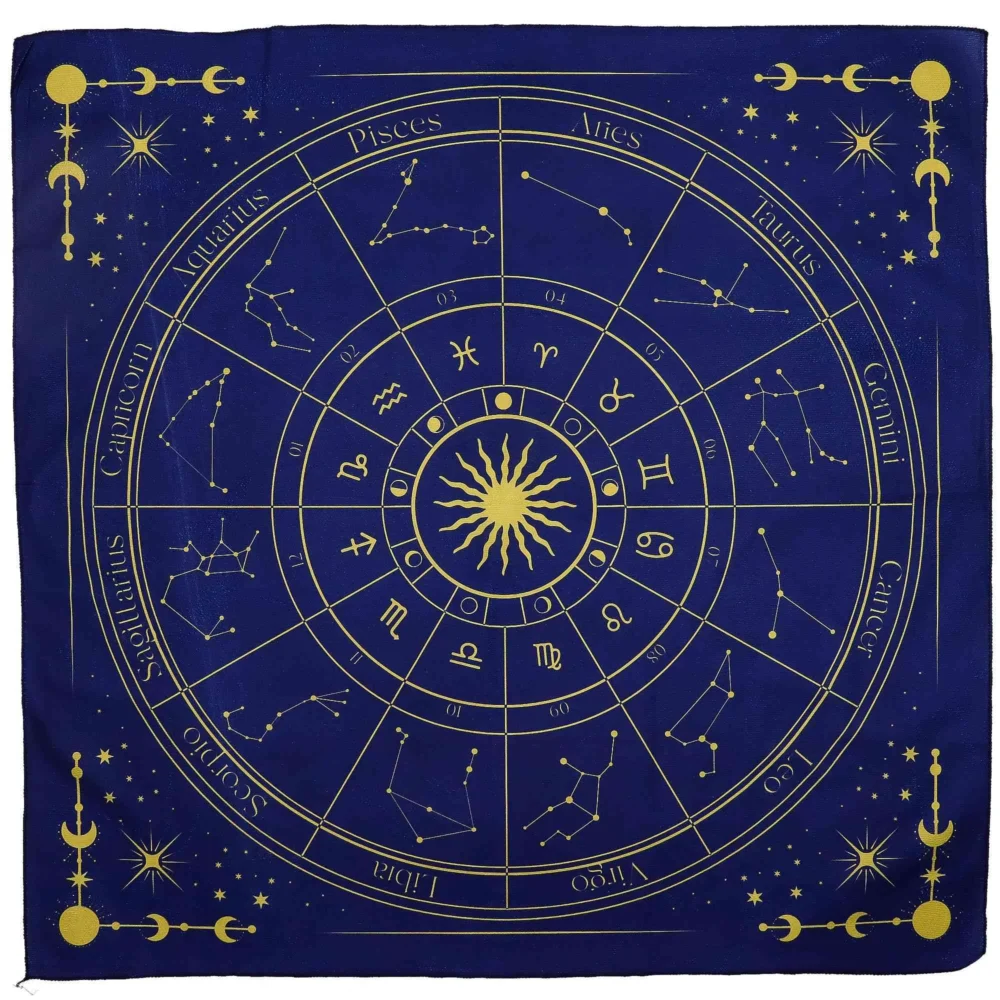
For someone who loves astrology, moon rituals, journalling, crystals, or mindful routines, an oracle deck can feel thoughtful and easy to weave into everyday life. For someone who is already curious about divination, symbolism, or spiritual practice, tarot can feel more substantial and special.
Artwork matters too. A deck is part tool, part object of beauty. If the imagery feels flat or generic, the magic goes with it. Alternative gifting works best when it feels chosen, not random. That’s why decks make such strong presents when paired with the right mood – a candle, a journal, incense, or a little self-care bundle can turn a nice gift into a full-on vibe.
If you’re shopping somewhere like Funky Stride, that anti-boring approach matters. A spiritual gift should never feel like an afterthought. It should feel personal, expressive, and a bit exciting to unwrap.
Can you use both together?
Absolutely. In fact, lots of people do. Tarot and oracle decks are not rivals in some dramatic mystical showdown. They can complement each other beautifully.
Some readers pull tarot first for depth and detail, then use an oracle card to bring in a final message or emotional theme. Others start with oracle to set the tone, then move into tarot for a more layered reading. If someone already owns one type of deck, gifting the other can expand their practice rather than duplicate it.
This is especially useful if they’re in that in-between zone – interested in spiritual tools, but not fixed on one style. A mixed collection gives them options. Some days call for a proper spread and quiet reflection. Some days call for one card, one message, and off you go.
How to choose the right deck without overthinking it
Start with the reader, not the trend. Ask whether they want guidance or study, freedom or framework, softness or complexity. Then look at the artwork. If the visuals don’t click, the deck probably won’t either.
It also helps to think about how the deck will actually be used. Daily card pulls? Oracle often suits that rhythm. Learning a deeper symbolic practice? Tarot makes more sense. A gift for someone who is spiritual-curious but not keen on anything too heavy? Oracle is usually a safer bet. A gift for someone already fascinated by the mystical, the meaningful, and the beautifully strange? Tarot can be a winner.
There’s no prize for choosing the more traditional option, and no shame in picking the easier one. The right deck is the one that gets used, loved, and reached for when someone wants a little clarity, comfort, or spark.
So when it comes to tarot cards versus oracle decks, think less about rules and more about resonance. The best deck is the one that feels like it belongs in your hands – or in the hands of someone you know will adore something a little less ordinary.