

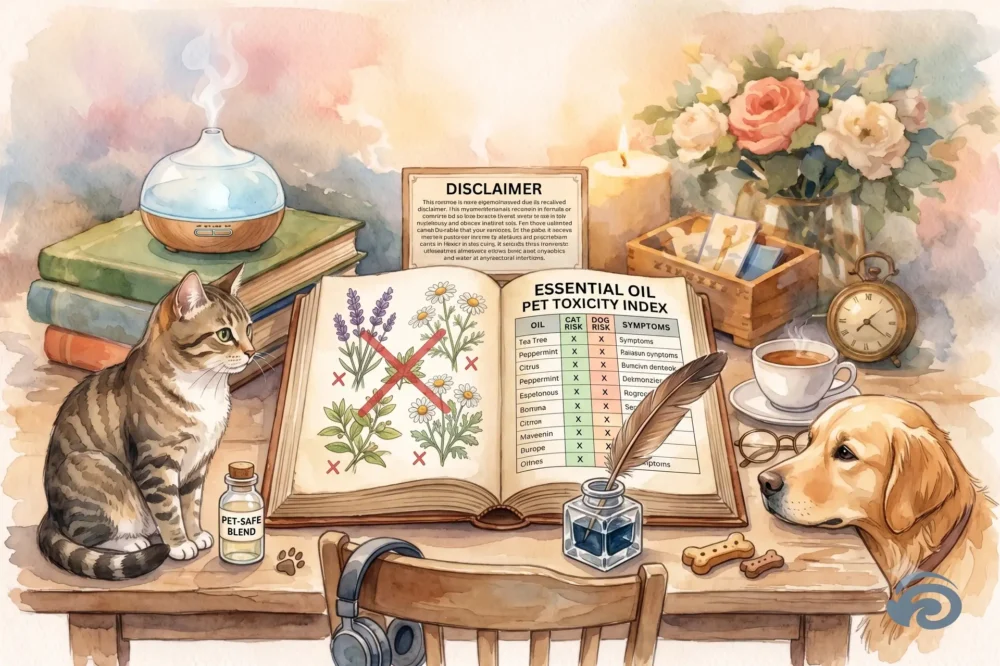
The Aromatherapy and Pet Safety Matrix: An Evidence-Based Guide for Holistic Homes
This resource is an educational data compilation gathered from peer-reviewed veterinary toxicological literature, botanical safety studies, and animal poison control data. It does not constitute medical advice, clinical diagnosis, or veterinary treatment. Every animal possesses a unique physiological profile, age, and health status. Always consult a registered veterinarian before introducing new airborne elements or topical botanicals into your pet’s immediate environment.
Aromatherapy, ambient scenting, and the integration of natural botanicals have become foundational elements of modern home wellness. From setting a grounded atmosphere for yoga and meditation to utilising essential oils for stress reduction, these plant-derived compounds offer significant sensory benefits. However, as the popularity of home diffusers, wax melts, and botanical room sprays grows, so does the presence of concentrated chemical compounds within our domestic ecosystems.
For households that include domestic animals, the introduction of airborne essential oils introduces complex biological variables. Pets do not experience aromas or process inhaled particles the way humans do. Because of profound differences in metabolic processing, liver enzyme production, and olfactory sensitivity, a botanical compound that promotes relaxation in a human can place an acute toxicological burden on a cat, dog, or bird.
Aromatherapy and Pet Safety
1. The Physiological Divide: Why Animals are Uniquely Vulnerable
To understand why essential oils demand rigorous safety protocols around pets, one must examine the fundamental physiological differences between human and animal biology. Essential oils are not merely “scents”; they are highly concentrated, volatile organic compounds (VOCs) extracted from plants. A single drop of an essential oil can represent the chemical equivalent of dozens of cups of herbal tea. When these compounds are diffused into the air, they are inhaled, absorbed through respiratory mucous membranes, and deposited onto fur or feathers.
The Feline Enzymatic Deficit (Glucuronyl Transferase)
Cats are uniquely vulnerable to essential oil toxicosis due to a well-documented genetic characteristic: they lack a crucial liver enzyme known as glucuronyl transferase.
In humans and dogs, the liver utilises a process called glucuronidation to metabolise, break down, and eliminate foreign chemical substances, particularly phenols, terpenes, and ketones—which happen to be the primary active ingredients in most essential oils. Because felines cannot efficiently perform this metabolic function, airborne or topical compounds accumulate rapidly in their systems. What takes a human body hours to filter can remain in a cat’s liver for days, building up to toxic levels even with low-level, passive exposure over time.
Canine Olfactory Sensitivity
While dogs possess the liver enzymes necessary to process many compounds, their vulnerability lies in their extraordinary sensory apparatus. A human possesses roughly 5 million olfactory receptors; a dog’s nasal cavity contains between 125 million and 300 million olfactory receptors, depending on the breed. Furthermore, the percentage of a dog’s brain dedicated to analysing smells is roughly 40 times larger than a human’s.
When an ultrasonic diffuser floods a room with concentrated peppermint or eucalyptus oil, the sensory input to a dog is not just strong; it can be physically overwhelming, distressing, and disruptive to their primary method of interpreting the world.
Avian and Exotics Respiratory Structures
Birds possess an incredibly efficient, highly specialised respiratory system utilising air sacs that continuously pump air through their lungs in a unidirectional flow. This magnificent efficiency means their lungs absorb airborne particles, gases, and toxins at a drastically accelerated rate compared to mammals. Exposure to volatile essential oils in an enclosed room can cause immediate respiratory failure, liquid accumulation in the lungs, and acute death in birds, rabbits, and guinea pigs.
2. The Comprehensive Essential Oil Toxicity Index
The following data matrix compiles established toxicological classifications for common essential oils. This index is divided into substances presenting extreme biological risk and those categorised as low-risk when utilised under strict, highly diluted, passive parameters.
Table A: High-Risk Oils (Severe Toxicity Profiles)
The compounds listed below contain chemical structures—such as phenols, d-limonene, ketones, and salicylates—that present high toxicity profiles for domestic pets. These should not be diffused, sprayed, or stored in spaces accessible to animals.
| Essential Oil | Primary Volatile Toxin | High Risk To | Clinical Signs of Inhalation / Ingestion Exposure |
| Tea Tree (Melaleuca alternifolia) | Terpene Hydrocarbons and 1,8-cineole | Cats and Dogs (Extreme) | Muscle tremors, weakness, uncoordinated gait (ataxia), drooling, low body temperature, depression. |
| Peppermint (Mentha piperita) | Menthol and Pulegone | Cats and Dogs | Respiratory distress, coughing, wheezing, gastrointestinal irritation, lethargy, mouth ulcers if licked. |
| Wintergreen / Birch | Methyl Salicylate (Aspirin-like) | Cats and Dogs | Severe liver damage, vomiting, ulceration of the digestive tract, metabolic acidosis, seizures. |
| Citrus Oils (Lemon, Orange, Bergamot) | d-Limonene | Cats (Extreme) | Liver failure, hypersalivation, hypothermia, central nervous system depression, chemical burns on skin. |
| Ylang Ylang (Cananga odorata) | Phenols and Sesquiterpene | Cats and Dogs | Ataxia (wobbly walking), vomiting, difficulty breathing, significantly lowered heart rate. |
| Cinnamon Bark / Clove | Eugenol | Cats and Dogs | Severe liver toxicity, vomiting, low body temperature, interior mouth irritation, respiratory panting. |
| Pine / Juniper / Spruce | Monoterpene Hydrocarbons | Cats and Dogs | Kidney irritation, vomiting, weakness, respiratory irritation, styling changes in mucous membranes. |
| Pennyroyal | Pulegone | Cats and Dogs (Fatal) | Acute liver necrosis, severe vomiting, bloody diarrhea, seizures, internal bleeding. |
Table B: Lower-Risk Oils (Acceptable Under Strict Dilution and Passive Parameters)
The following botanical profiles exhibit lower toxicity benchmarks in standard veterinary literature. They are considered options for targeted, low-concentration home scenting, provided the procedural safety steps outlined in Section 3 are strictly observed.
| Essential Oil | Primary Chemical Component | Target Wellness Application | Recommended Handling Parameters |
| Lavender (Lavandula angustifolia) | Linalool / Linalyl Acetate | Calming rituals, stress reduction, sleep support | Highly diluted passive diffusion only. Ensure 100% purity; avoid synthetic adulterants. |
| Frankincense (Boswellia carterii) | Alpha-pinene | Grounding, meditation focus, deep breathing | Well-tolerated in large, open, water-dispersed ultrasonic units at minimalist drop counts. |
| Roman Chamomile (Chamaemelum nobile) | Isobutyl angelate | Soothing atmospheres, hyperactive support | Extremely mild, sweet scent profile. Use minimal duration cycles in airy spaces. |
| Cedarwood (Juniperus virginiana) | Cedrol | Earthy base notes, grounding atmospheres | Ensure source species is virginiana or atlantica (true cedar), not a pine blend. Safe for passive aroma. |
3. Procedural Safety Protocols for Aromatic Homes
If you choose to use lower-risk essential oils (Table B) in a home with pets, you must abandon standard human-centric usage patterns. Traditional application habits must be replaced by a structured, safety-first workflow designed to prevent chemical buildup and respiratory stress.
[Step 1: Open Free Exit] ──andgt; [Step 2: Apply 1-2 Drop Limit] ──andgt; [Step 3: Run 20-Min Max Cycle]
Protocol 1: The “Unimpeded Escape Route” Requirement
Never run a diffuser, light a scented candle, or burn incense in an enclosed room where an animal is confined. Whether it is a dog in a crate, a cat sleeping on a bed with a closed door, or a bird in a cage, physical confinement forces the animal to repeatedly inhale the concentrated air mass.
- The Action: Every room containing an active aroma source must have a fully open door leading to a separate, well-ventilated, scent-free zone. If the animal finds the scent overwhelming, irritating, or physically distressing, its natural instinct will drive it to leave. If the room is closed, it has no choice but to absorb the compound.
Protocol 2: The Radical Drop-Count De-escalation
Standard manufacturer instructions on ultrasonic water diffusers often recommend adding 5 to 10 drops of essential oil per 100ml of water to achieve a powerful, long-lasting room scent. In a pet-centric household, this concentration is excessively high.
- The Action: Implement a strict 1-to-2 drop limit per 100ml of water. The resulting aroma will be faint to human senses, but due to the heightened olfactory systems of dogs and cats, it will still be completely perceptible to them without overwhelming their respiratory pathways.
Protocol 3: Intermittent Diffusion Timing
Continuous, all-day scenting via automated plugins, continuous ultrasonic cycles, or heavy wax warmers creates a compounding environment where airborne toxins slowly saturate the room without giving the animals’ livers time to process the prior exposure.
- The Action: Restrict diffusion to intermittent intervals of 20 to 30 minutes. Once the cycle completes, turn off the device and allow the air to naturally circulate and clear before introducing another misting window. Never leave a active diffuser running when leaving the home or going to sleep.
Protocol 4: The Surface Settlement and Grooming Hazzard
Ultrasonic diffusers function by breaking down water and essential oils into micro-droplets that travel through the air. Eventually, physics dictates that these droplets must fall. They settle onto carpets, couches, rugs, pet bedding, and directly onto the coats of your pets.
- The Action: When a cat or dog cleans themselves via licking, these settled micro-droplets are directly ingested. Keep all diffusing units placed high on shelves out of physical reach of animals to avoid tipping accidents. Never apply essential oils directly to a pet’s skin, paws, or fur, even if online folklore suggests it as a natural flea remedy.
4. Specialised Applications: Yoga Studios, Wellness Spaces, and Public Areas
For yoga teachers, meditation leaders, and holistic business owners who utilise Ancient Wisdom or similar wholesale wellness inventories to craft an atmospheric client experience, pet safety remains an important factor. Even if animals are not physically present in the commercial studio space, client interactions create an indirect transmission pathway.
The Secondary Transfer Footprint
Clients who attend yoga or meditation sessions frequently share their living spaces with pets. When a studio uses heavy, oil-saturated mists—especially high-risk options like tea tree, eucalyptus, or cinnamon—the dense oils adhere to cotton yoga mats, hemp straps, cork blocks, and the fibers of clothing.
- When the client returns home and rolls out their yoga mat on the living room floor, their domestic cat or dog may rub against it or lie on it, directly absorbing the transferred chemical residue.
The Studio Air-Clear Routine
To maintain a safe, welcoming, and professional environment that respects the domestic health of your clientele’s households, wellness studios should implement a strict environmental transition protocol between sessions:
[Active Aromatherapy Class]
│
▼
[Step 1: Power Down All Diffusing Units Immediately]
│
▼
[Step 2: Cross-Ventilate: Open External Windows/Doors for 15 Mins]
│
▼
[Step 3: Wipe Shared Blocks/Straps with Eco-Neutral Cleanser]
│
▼
[Next Client Cohort Enters Clean Space]
The Safe Studio Prop Cleaner Formula
Instead of utilising commercial sprays containing hidden artificial fixatives or high-risk essential oils like tea tree and pine, studio managers can craft a highly effective, animal-safe prop sanitiser using simple, transparent base ingredients:
- The Base: 70% Distilled Water mixed with 25% Unscented Witch Hazel or pure Isopropyl Alcohol (to act as a natural sanitising evaporation agent).
- The Botanical Profile: Add no more than 3 to 4 drops total of pure Roman Chamomile or Genuine Lavender oil per 500ml spray bottle. This yields an elegant, calming top note that dissipates cleanly from mats and blocks without leaving a heavy, oily, long-lasting residue capable of triggering secondary transfer reactions in sensitive household pets.
5. Identifying Exposure and First-Aid Triage Protocols
Despite meticulous precautions, accidental exposures can occur—whether via an inverted diffuser unit spilling onto an animal, a pet licking an open bottle from a low shelf, or a respiratory reaction to a new scent profile. Recognising the early, subtle indicators of essential oil toxicosis allows for fast, protective intervention before clinical status worsens.
Visual and Behavioural Indicators of Distress
If your pet exhibits any of the following signs during or immediately following a period of home scenting, deactivate all units, remove the animal to fresh air, and monitor closely:
- Respiratory Anomalies: Laboured breathing, rapid panting, wheezing, chronic coughing, or “open-mouth breathing” (especially critical in cats, where open-mouth breathing always signifies severe respiratory distress).
- Neurological Disturbances: Uncoordinated movement, a wobbly or asymmetric gait resembling intoxication, muscle twitching, sudden weakness in the hind legs, or systemic lethargy.
- Gastrointestinal and Salivary Responses: Profuse, watery drooling (hypersalivation), frequent pawing at the mouth or muzzle, sudden vomiting, or refusal to drink water.
- Ocular/Nasal Irritation: Watery eyes, squinting, redness around the eyelids, or repetitive sneezing.
Critical Emergency Triage Checklist
In the event of confirmed or highly suspected direct essential oil exposure, execute the following steps systematically. Do not deviate from these protocols to try unverified home remedies.
1.Evacuate the Air Mass:Action 1.
Immediately cut power to all active diffusers, extinguish all candles, and move the animal into an uncontaminated outdoor environment or a room with open windows and running fans.
2.Mitigate Skin/Coat Contamination:Action 2.
If raw essential oil has spilled onto the pet’s coat, do not use water alone, as oil repels water and will spread further across the skin. Wash the area thoroughly using mild, plain liquid dishwashing soap (such as Dawn), which contains specific surfactants designed to safely break down concentrated organic oils. Rince with lukewarm water completely.
3.Strictest Prohibition on Forced Vomiting:Action 3.
If the animal has ingested essential oil from a spilled bottle, never attempt to induce vomiting at home. Essential oils are highly volatile hydrocarbons. If forced back up the oesophagus, the liquid can easily enter the respiratory tract and lungs, causing acute, catastrophic aspiration pneumonia, which carries a high mortality rate.
4.Secure the Chemical Fingerprint:Action 4.
Pack the exact bottle, wax melt packaging, or oil blend container into a secure bag. Bring this exact packaging with you to your emergency veterinary clinic so the treating medical staff can pinpoint the precise chemical compounds (e.g., phenols vs. ketones) they need to counteract.
6. Synthesis: Balancing Personal Wellness with Ethical Pet Care
Creating a beautiful, fragrant, and intentional home environment through alternative botanical products from Ancient Wisdom does not mean sacrificing the health of your domestic animals. It simply requires replacing convenience-led habits with rigorous, scientifically backed intent.
By understanding the physiological realities of the animals sharing our spaces—acknowledging the specific feline enzymatic limitations, respecting the profound scale of canine olfactory perception, and honouring the delicacy of avian respiratory tracts—we can build safety boundaries that protect every member of the household. Ground your home practices in highly diluted, passive, intermittent scenting windows using low-risk botanical choices. Keep your data transparent, document your safety thresholds, and always allow your animals the simplest, most profound freedom of all: the option to walk away into clean, unfragranced air.
Q: Is Soy wax safe for your pets?
A: The short answer is yes, pure soy wax itself is completely pet-safe and is vastly superior to traditional paraffin wax.
When you are looking at it from a data-first perspective for your blog post, soy wax makes a fantastic “Green-Light” recommendation for holistic homes.
However, there is a catch that you’ll want to highlight in your article. While the wax is safe, the additives inside commercial soy candles often are not.
Why Soy Wax is the “Gold Standard” for Pets
- The Paraffin Problem: Most cheap, mass-market candles are made from paraffin wax, which is a petroleum by-product. When burned, paraffin releases volatile organic compounds (like toluene and benzene) into the air. These are known respiratory irritants for humans and are significantly worse for pets with sensitive lungs.
- The Soy Benefit: Soy wax is 100% plant-based (made from hydrogenated soybean oil). It burns cleaner, produces virtually zero black soot, and releases significantly fewer airborne particulates. If a curious dog or cat accidentally takes a nibble of an unlit, pure soy wax melt, it is non-toxic and will generally pass right through their digestive system with nothing more than a mild stomach upset.

The Catch: It’s All About the Scent and the Wick
If you are advising your readers on how to buy or make pet-safe candles, give them this three-point checklist to ensure their soy candles are actually safe:
1. Watch the Scent Profile
A candle can be advertised as “100% Natural Soy,” but if it is heavily scented with synthetic perfumes or a high-risk essential oil (like tea tree, eucalyptus, or citrus), the clean wax won’t protect the pet from inhaling those toxic airborne compounds.
- The Rule: Look for unscented soy candles, or those explicitly scented with low-risk botanicals (like lavender or chamomile) at low concentrations.
2. Inspect the Wick
Some cheaper candles use wicks with a metal core (often containing zinc or lead) to keep the wick standing straight as the wax melts. When burned, these metals are vaporized into the air.
- The Rule: Advise readers to only buy soy candles that use 100% lead-free cotton wicks or natural wood wicks.
3. The “Acrolein” Temperature Danger
If your readers make their own DIY soy candles using wholesale wax flakes, they need to watch their temperatures. If soy wax is accidentally overheated on the stove (usually past 200 Degrees C or 392 Degrees Fahrenheit) , it can release a chemical by product called acrolein, which is highly irritating to both human and animal lungs.
The Rule: Always use a thermometer when melting soy wax and keep it under a gentle heat.
Q: Are Reed Diffusers safe for your pets?
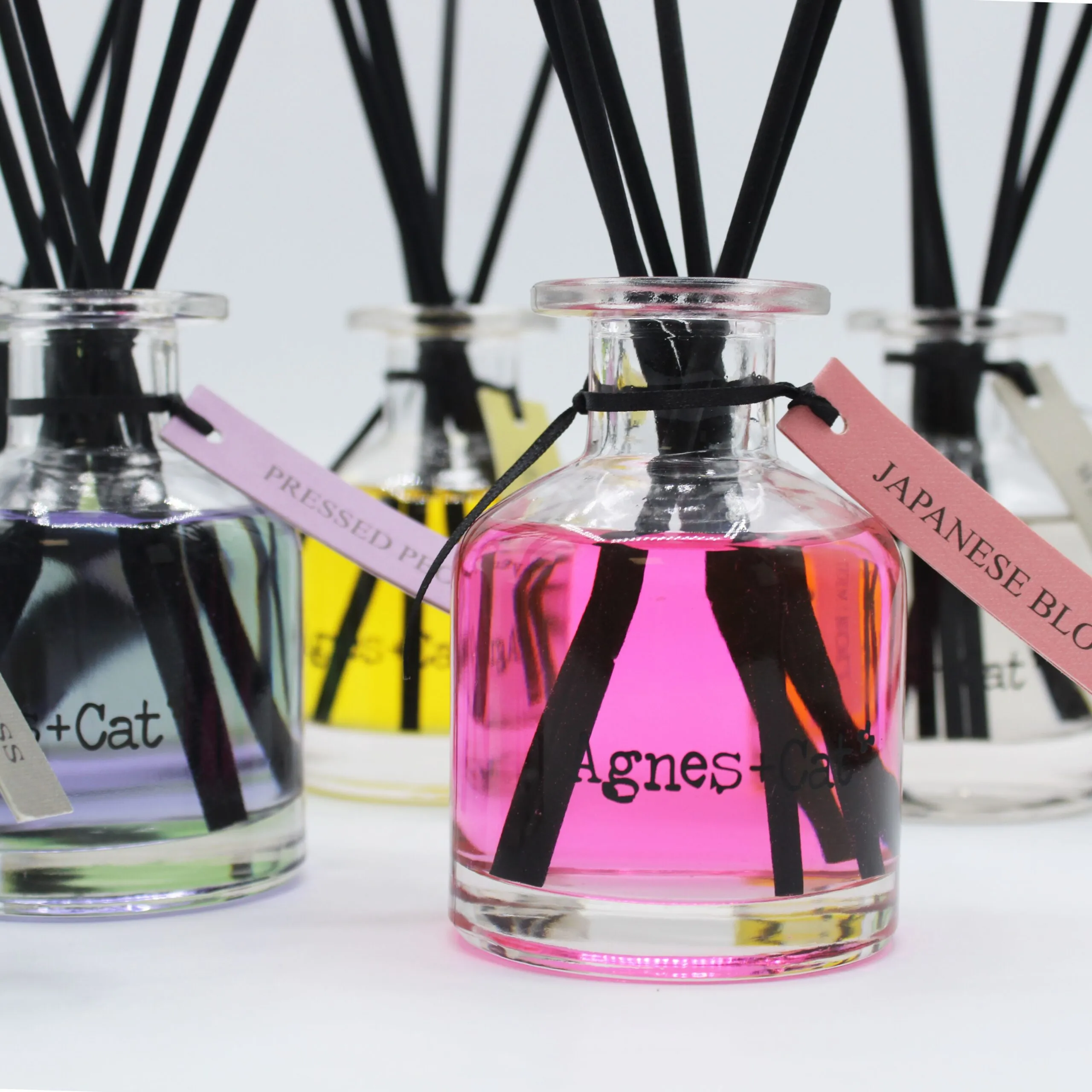
A: The Good: Why Reed Diffusers Win the Air Quality Debate
According to data from the Pet Poison Helpline, reed diffusers are classified as passive diffusers. This means they do not emit actual physical micro-droplets of oil into the room.
- No Fur Settlement: Unlike ultrasonic or nebulizing diffusers (which mechanically break up the liquid into a fine mist that settles on your cat or dog’s coat), reed diffusers rely purely on natural evaporation.
- Lower Airborne Density: Because the scent evaporates slowly via the wooden reeds, the concentration of volatile organic compounds (VOCs) in the air remains incredibly low. This drastically reduces the risk of respiratory irritation or liver toxicosis from just breathing the air.
The Bad: The Extreme Toxicity of Liquid Ingestion
While the air is safer, the liquid reservoir of a reed diffuser is an absolute toxic minefield for a pet.
If a dog knocks a reed diffuser off a shelf, or if a curious cat decides to investigate the fragrant sticks, the danger spikes dramatically due to two hidden ingredients:
1. High-Concentration Carrier Solvents
The fluid inside a reed diffuser isn’t just pure essential oil; it requires a solvent base to help the liquid climb up the reeds and evaporate. These bases frequently contain up to 70% Isopropyl Alcohol (rubbing alcohol) or chemical glycols. If a pet licks a spilled puddle or chews on a saturated reed, ingesting this alcohol base can cause rapid central nervous system depression, extreme drowsiness, coordination loss, and severe gastrointestinal burning.
2. High Concentration of Toxic Oils
Because evaporation is slow, the percentage of essential oil mixed into a reed diffuser is often highly concentrated. If the diffuser contains a high-risk oil from our index (like tea tree, citrus, or peppermint), a pet drinking even a tiny lapping of that spilled fluid can suffer acute liver failure or seizures.
The “Reed Diffuser” Safety Protocol for Your Blog
If your readers prefer using reed diffusers over electric ones, tell them to follow these strict rules to keep it safe:
Watch for “Slick” Reeds: Over time, the tips of the reeds can get oily and dust can collect on them. If a reed drops out, pick it up immediately before a dog treats it like a stick.
The Anchor Trick: Always place reed diffusers inside a secondary, heavy ceramic container or a high, completely enclosed shelf where a cat cannot leap and tip it over.
The “Fewer Reeds” Adaptation: Tell readers to start with only 2 or 3 wooden reeds instead of the usual 8 to 10. This keeps the scent incredibly subtle so it doesn’t overwhelm a pet’s sensitive nose.