

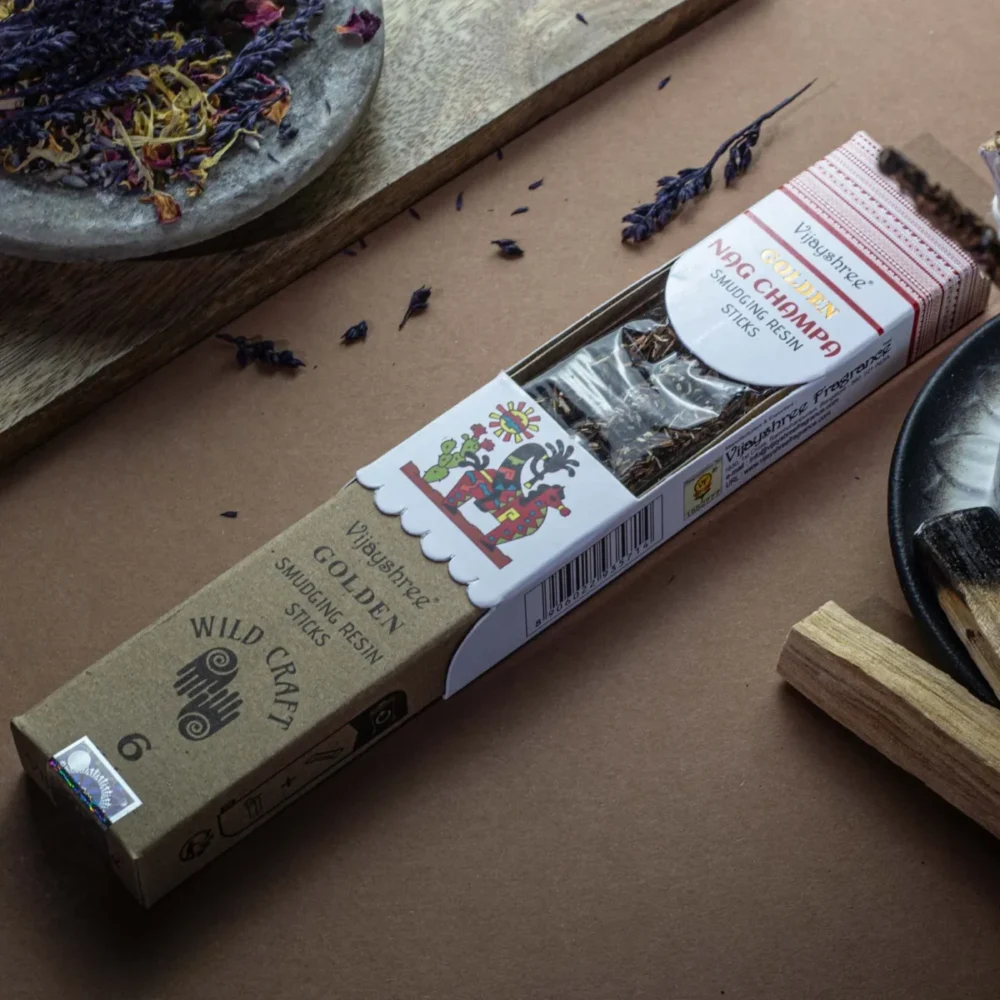
Nag Champa Incense – Simply the best
The Ultimate Guide to Nag Champa Incense
There are few aromas on Earth as instantly recognisable as Nag Champa. Rich, warm, sweet, and comforting, its fragrant plume has drifted through sacred Indian temples, bohemian living rooms, and modern wellness sanctuaries for decades.
Whether you are seeking to deepen your meditation practice, clear lingering household energy, or simply transform your living space with a grounding home fragrance, Nag Champa remains the undisputed king of incense.
In this complete guide, we dive deep into the fascinating history of Nag Champa, reveal the secret artisanal process behind its manufacture, and share best practice guidelines to help you get the absolute most out of every burn.
1. The Ancient Origins of Nag Champa
To truly appreciate Nag Champa, one must understand its roots. Unlike modern commercial scents designed in synthetic laboratories, Nag Champa was born from centuries-old spiritual and botanical traditions across India and Nepal.
The Sacred Champaca Flower
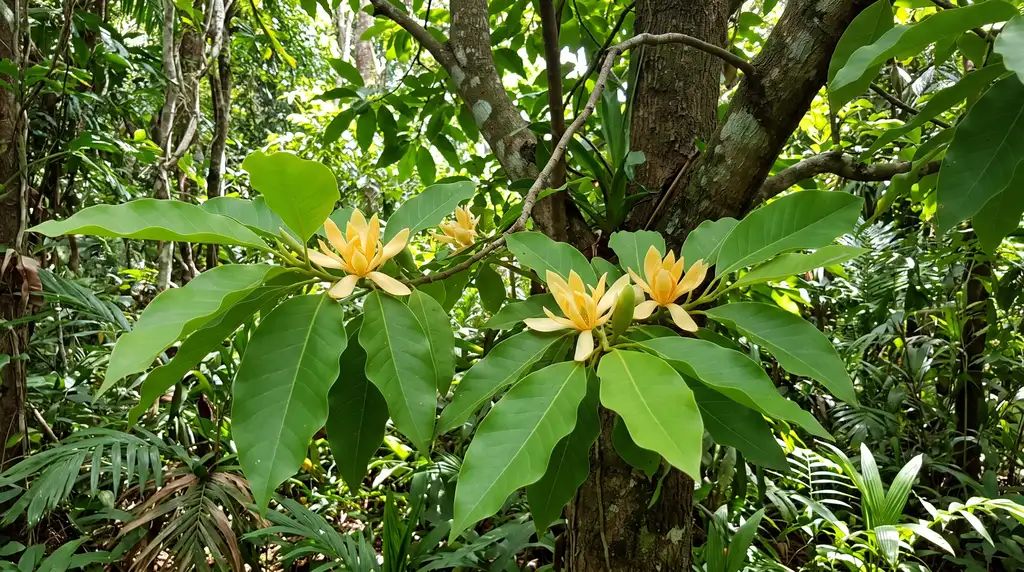
The name “Champa” refers directly to the flower at the heart of the fragrance: Magnolia champaca (formerly classified as Michelia champaca). Native to South Asia, this evergreen tree produces striking, golden-orange blossoms that emit an intensely sweet, exotic floral fragrance, especially during the early morning and late evening hours.
In Hindu and Buddhist traditions, the Champaca tree is considered sacred. Its blossoms are frequently offered at temple altars to honour deities, symbolise purity, and invite divine blessings.
From Monasteries to the Counterculture Movement
For centuries, secret recipes for Nag Champa were preserved within Hindu and Buddhist ashrams and monasteries. Monks and spiritual gurus burned the incense during morning prayers and meditation sessions, valuing its unique ability to quiet a busy mind, deepen breathwork, and ward off negative energy.
In the late 1960s and 1970s, as Western travellers embarked on the famous “Hippy Trail” through India and Nepal, they encountered Nag Champa burning in markets, ashrams, and tea stalls. They brought packets back home to the UK and across Europe, where it quickly became the signature scent of the bohemian movement, music festivals, and artistic homes. Today, Nag Champa is experiencing a major global renaissance as people look for natural, soulful alternatives to synthetic air fresheners.
2. How Nag Champa Is Made: The Masala Tradition
Not all incense is created equal. If you have ever burned cheap incense that smelled harsh, chemical, or burnt, you likely experienced a “dip-dyed” stick—where blank wooden splints are soaked in petroleum solvents and synthetic perfume oils.
Authentic, premium Nag Champa is crafted using a time-honoured technique known as Masala Agarbatti.
The Three Core Ingredients of Authentic Nag Champa
The secret to Nag Champa’s multi-layered aroma lies in three key natural ingredients:
- Golden Champaca Flower Powder (Champa): Provides the light, sweet, and exotic floral top notes that greet you when you first light the stick.
- Pure Indian Sandalwood Dust (Chandan): Acts as the creamy, smooth, and grounding woody base note. Sandalwood cools the sweetness of the flower and gives the smoke its long-lasting quality.
- Halmaddi Resin: A rare, viscous grey resin tapped from the Ailanthus triphysa tree. Halmaddi acts as a natural binder, absorbing moisture from the air and giving authentic Nag Champa its signature slow-burning, honey-like earthy depth.
The Step-by-Step Artisanal Manufacturing Process
- Step 1: Preparing the Masala Dough: Artisans combine finely ground Champaca petal powder, sandalwood dust, aromatic herbs, spices, and natural tree gums into a rich, fragrant dough.
- Step 2: Hand-Rolling: Skilled craftspeople take a small piece of the dough and meticulously roll it by hand over a thin, natural bamboo splint (agarbatti). This requires immense skill to ensure an even thickness for a uniform burn.
- Step 3: Curing and Drying: The freshly rolled sticks are laid out on wooden racks to dry naturally under shade. Unlike machine-made incense, this slow curing process preserves the delicate essential oils within the paste.
- Step 4: Quality Inspection and Packaging: Once cured, the sticks are inspected for thickness and aroma quality before being sealed into protective inner sleeves to lock in their aromatic potency.
3. Nag Champa vs Other Popular Incense Varieties
With so many natural incenses available today, how does Nag Champa compare to other popular sacred aromatics?
| Incense Variety | Primary Scent Profile | Best Used For | Spiritual Tradition |
| Nag Champa Incense | Sweet floral, creamy sandalwood, earthy resin | Daily relaxation, home energy, mood lifting | Indian Hindu / Buddhist |
| Palo Santo | Fresh mint, citrus, sweet pine, cedar | Space clearing, focus, mental clarity | South American Shamanic |
| White Sage | Sharp, herbaceous, astringent, earthy | Deep spiritual cleansing, warding off bad vibes | Indigenous Native American |
| Pure Sandalwood | Smooth, rich, deep woodiness | Deep meditation, grounding, de-stressing | Global Spiritual Traditions |
| Patchouli | Dark, earthy, musky, slightly sweet | Grounding emotional balance, bohemian vibe | Asian / Bohemian |
4. Health and Spiritual Benefits of Burning Nag Champa
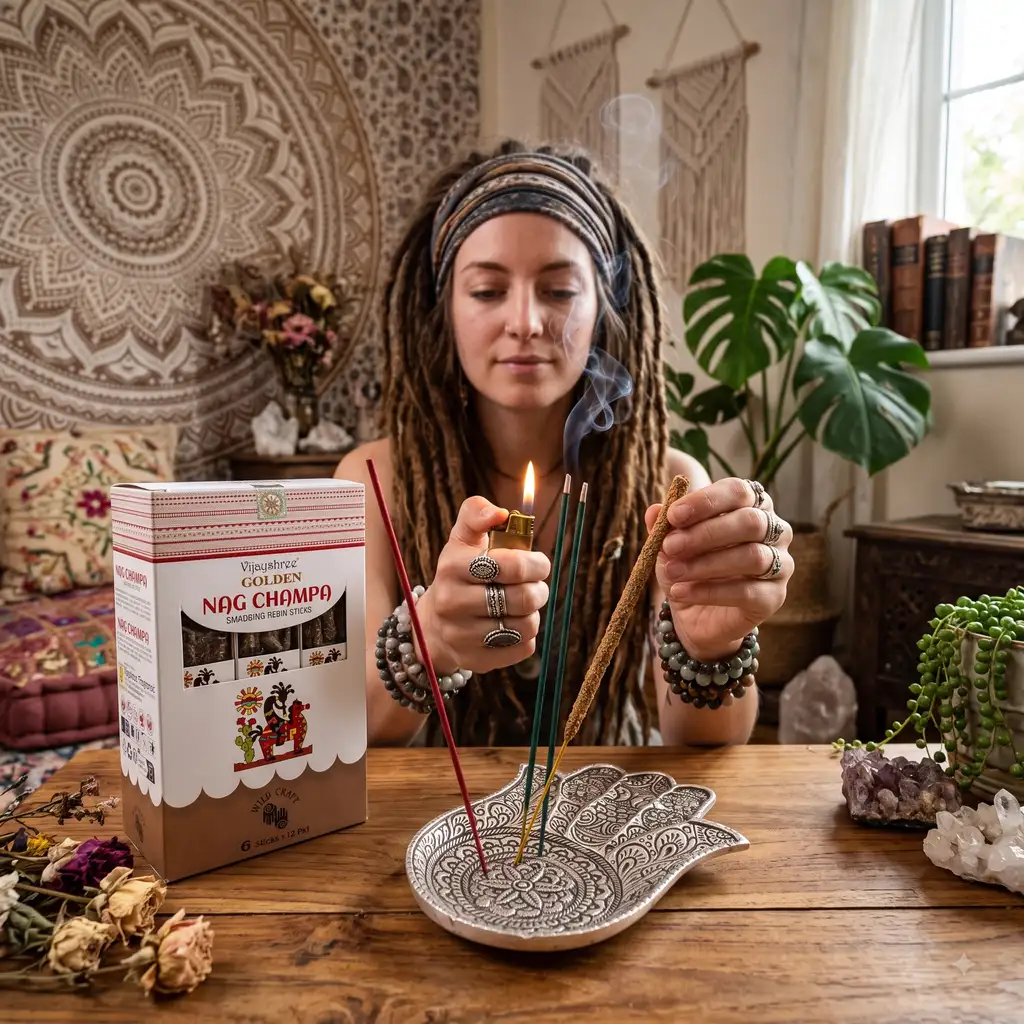
Burning natural Nag Champa is far more than just a pleasant home fragrance ritual—it offers genuine benefits for your mind, spirit, and living environment.
1. Reduces Stress and Anxiety
The natural compounds found in sandalwood and Champaca blossoms have been shown to interact with the olfactory system to help lower heart rates and calm an overactive nervous system. Lighting a stick after a stressful workday acts as a sensory signal to your brain that it is time to unwind.
2. Enhances Meditation and Mindfulness
Nag Champa’s grounding aroma helps draw your focus inward. By anchoring your attention to the scent and the gentle curl of smoke, it becomes easier to settle into meditation, yoga practice, or deep breathwork exercises.
3. Clears Household Energies and Odours
In traditional energy practices, Nag Champa is used to clear stagnant or negative “heavy” energy from rooms after arguments, illness, or stressful periods. On a practical level, the natural botanical smoke effectively neutralises stubborn cooking smells, pet odours, and dampness.
4. Promotes Restful Sleep
Burning a stick in your bedroom roughly 30 minutes before sleep (and extinguishing it safely before turning off the lights) fills the room with a soothing, warm ambience that encourages deep, restorative rest.
5. Best Practice: How to Burn Nag Champa Safely and Effectively
To enjoy a clean, fragrant burn and maintain safety, follow these simple best-practice guidelines:
1. Choose the Right Holder
Always burn your incense stick in a dedicated holder or ash catcher made from heat-resistant materials such as wood, ceramic, brass, or stone. This catches falling ash and prevents damage to furniture.
2. How to Light It Properly
- Hold the tip of the Nag Champa Incense stick over an open flame (match or lighter) at a slight downward angle.
- Allow the tip to catch fire and burn for 5 to 10 seconds.
- Gently blow out the flame. You should see a glowing red ember and a smooth, thin trail of fragrant smoke.
- If no smoke appears, reignite and blow out again slightly faster.
3. Ventilate Your Space
Nag Champa Incense should always be enjoyed in a well-ventilated room. Open an interior door or keep a window slightly cracked. Good airflow allows the fragrance to circulate freely throughout your home rather than accumulating in a dense, heavy cloud.
4. Storage Tips to Preserve Fragrance
Because authentic Nag Champa contains natural essential oils and resins, improper storage can cause it to lose its scent potency over time.
- Keep remaining sticks sealed inside their original inner pouch.
- Store in a cool, dry place away from direct sunlight and humidity.
- Never store Nag Champa Incense near heat sources like radiators.
6. Frequently Asked Questions
Q: What does it smell like?
A: Nag Champa has a unique, beautifully balanced scent profile. You will catch a sweet, exotic floral top note first (Champaca flower), followed by a warm, creamy woodiness (sandalwood) and a deep, honey-like resinous finish (halmaddi resin).
Q: Is incense toxic?
A: Pure, hand-rolled masala Nag Champa made from natural powders, resins, and essential oils is non-toxic when burned in a well-ventilated room. However, you should avoid cheap, synthetic dip-dyed sticks that contain petroleum solvents.
Q: How long does a single Incense stick burn for?
A: A standard 8-inch (20 cm) hand-rolled Nag Champa Incense stick will burn for approximately 40 to 50 minutes, depending on air currents in the room.
Q: Why is some Nag Champa Incense grey or coated in powder?
A: That powdery coating is a hallmark of authentic hand-rolled masala Nag Champa Incense! It comes from the natural wood dust and botanical powders used during the rolling process.
Final Thoughts: Embrace the Wave of Serenity
Whether you are looking to create a cosy evening ambience, deepen your daily meditation, or simply bring a piece of ancient artisanal tradition into your home, Nag Champa Incense remains the ultimate home fragrance choice.
Explore our catalogue of authentic, hand-rolled Nag Champa Incense products today and invite peace, protection, and sweet serenity into your sanctuary!