

The Bamboo Revolution: Why Bamboo Socks are Redefining Sustainable Comfort
In the ever-evolving world of sustainable fashion, bamboo has emerged as a surprising hero—especially when it comes to the humble accessory we often take for granted: the sock. Once associated primarily with panda diets and lush tropical landscapes, bamboo is now making a permanent mark as a soft, breathable, and eco-friendly textile. No longer a niche novelty found only in health food stores or high-end boutiques, Bamboo Socks are changing the game by proving that environmental responsibility doesn’t have to come at the cost of luxury.
As consumers become increasingly aware of the “fast fashion” crisis—where synthetic materials like polyester and nylon contribute to microplastic pollution and landfill waste—the shift toward regenerative natural fibers has accelerated. Bamboo stands at the forefront of this movement, offering a textile solution that feels better on the skin while being significantly kinder to the planet.
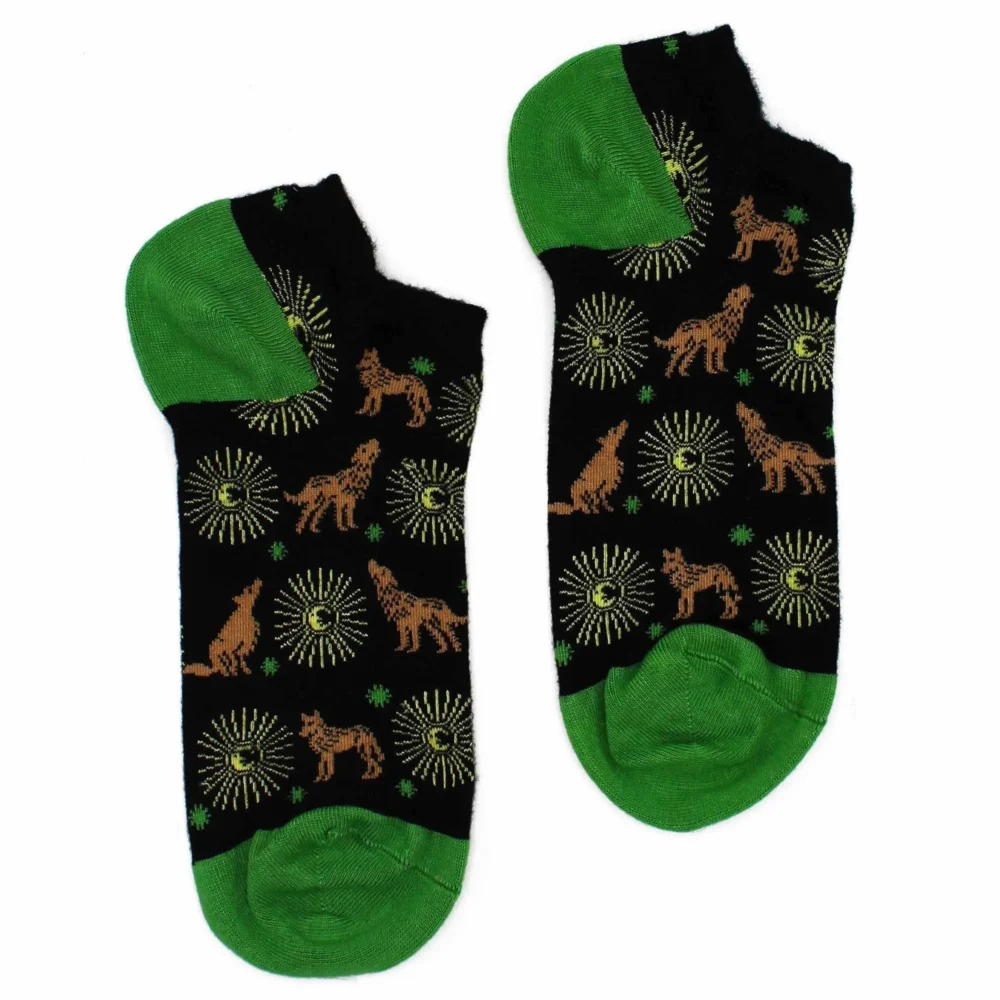
The Bamboo Advantage: A Multi-Sensory Upgrade
Why are people ditching their traditional cotton and synthetic blends for bamboo? It isn’t just about the “green” label; it’s about a superior physical experience. Bamboo socks offer a unique combination of comfort, performance, and sustainability that most traditional fabrics simply cannot match.
Softness That Rivals Cashmere
The first thing anyone notices when picking up a pair of high-quality bamboo socks is the texture. Unlike cotton, which can feel slightly abrasive or “toothy” under a microscope, bamboo fibers are naturally smooth and round. This microscopic structural difference translates to a fabric that feels silk-like or similar to high-end cashmere.
For those with sensitive skin or conditions like eczema, this is a revolutionary shift. Because the fibers lack sharp spurs, there is significantly less friction against the skin. This reduced friction doesn’t just feel better; it actively prevents the formation of blisters during long walks or intense workouts.
Breathable and Moisture-Wicking
One of the most persistent issues with footwear is the accumulation of moisture. Whether you are wearing heavy leather boots or light trainers, your feet are one of the most sweat-prone areas of the body. Traditional cotton socks tend to absorb moisture and hold onto it, leading to that soggy, uncomfortable feeling by midday.
Bamboo fabric, however, is a master of “capillary action.” It pulls sweat away from the skin and moves it to the outer surface of the fabric where it can evaporate quickly. This moisture-wicking capability keeps your feet dry, which is the first line of defense against fungal infections and skin irritation.
Odor-Resistant and Antibacterial
The “dreaded shoe smell” is actually caused by bacteria breaking down sweat in a dark, damp environment. Bamboo contains a unique, natural bio-agent often referred to as “bamboo kun.” This substance is part of the plant’s natural defense system, allowing it to flourish in the wild without the need for anti-fungal or anti-pest chemicals.
When processed into fabric, these properties remain partially intact, helping to reduce the growth of odor-causing bacteria. This means that even after a long flight or a double shift at work, your feet stay fresher for longer. It’s a practical benefit that makes bamboo socks a favorite for travelers who need to pack light and get multiple wears out of their gear.
Thermo-Regulating Technology
The cross-section of the bamboo fiber is filled with various micro-holes and micro-gaps. This allows for much better ventilation than other fabrics. This structure creates a “thermo-regulating” effect: in the heat of the summer, the breathability keeps your feet cool; in the winter, the fabric acts as a cross-sectional insulator, trapping a thin layer of warm air close to the skin. It is truly a four-season fabric that eliminates the need for “summer socks” versus “winter socks.”
The Environmental Impact: Eco-Friendly and Sustainable
The textile industry is one of the world’s largest polluters, but bamboo offers a path toward a lower-impact future. Its growth cycle is a marvel of efficiency.
- Rapid Growth: Bamboo is the fastest-growing plant on Earth. Some species can grow up to three feet in a single 24-hour period. This means farmers can harvest the same plot of land frequently without depleting the soil.
- No Pesticides Required: Because of the aforementioned “bamboo kun,” the plant is naturally resistant to pests. While conventional cotton consumes about 16% of the world’s insecticides, bamboo requires virtually none.
- Water Efficiency: Bamboo is a thirsty plant, but it is incredibly efficient with the water it receives. It typically thrives on natural rainfall, whereas cotton often requires massive irrigation projects that can drain local water tables.
- Carbon Sequestration: A grove of bamboo releases 35% more oxygen into the atmosphere than an equivalent stand of trees. It acts as a massive carbon sink, scrubbing CO2 from the air while it grows.
How Bamboo Socks Are Made: From Forest to Foot
Understanding how a hard, woody stalk becomes a soft, pliable sock helps appreciate the engineering involved. The process generally follows these steps:
- Harvesting: Mature bamboo stalks are cut. Because bamboo is a grass, not a tree, the root system stays in the ground, and the plant regenerates itself almost immediately without the need for replanting.
- Cellulose Extraction: The bamboo is crushed into a pulp. In the most common method (the viscose process), the bamboo is soaked in a solution to extract the cellulose.
- Fiber Creation: The cellulose is pushed through a spinneret (a device like a showerhead) into a hardening bath, creating long, silky threads.
- Knitting: These threads are spun into yarn, often blended with a small amount of elastane or recycled nylon to ensure the socks retain their shape and don’t sag after washing.
The Future of Production: While the traditional viscose process has faced criticism for chemical use, newer “closed-loop” systems (often used for Lyocell-type bamboo) recycle up to 99% of the water and chemicals used, making the end product even more sustainable.
Who Should Wear Bamboo Socks?
Bamboo socks aren’t just for a specific demographic; their benefits are universal. However, certain groups find them particularly life-changing:
The Athlete
For runners, hikers, and gym enthusiasts, foot health is paramount. The moisture-wicking and blister-prevention properties of bamboo make it an elite choice for high-performance activities.
The Eco-Conscious Consumer
For those looking to lower their “fashion footprint,” bamboo provides a biodegradable alternative to synthetic hosiery. Choosing bamboo is a vote for a world that relies less on petroleum-based products.
People with Sensitive Skin or Diabetes
Medical professionals often recommend non-irritating, moisture-wicking fabrics for those with circulatory issues or skin sensitivities. The non-binding, soft nature of bamboo fibers reduces pressure and keeps the skin barrier intact.
The Modern Traveler
If you’ve ever had to survive a 14-hour flight or explore a European city on foot all day, you know that sock choice can make or break a trip. The odor resistance and quick-drying nature of bamboo mean you can carry less and stay comfortable longer.
Final Thoughts: A Step in the Right Direction
Bamboo socks are more than just a passing trend—they’re a testament to how innovation and sustainability can go hand in hand. By taking a prehistoric plant and applying modern textile science, we have created a garment that solves almost every common complaint associated with footwear.
Whether you’re looking for unparalleled comfort, professional-grade performance, or a tangible way to reduce your environmental footprint, bamboo socks offer a compelling, high-quality solution. They represent a shift in the way we view our clothing: not as disposable items, but as carefully engineered tools for daily living that respect the earth.
As we move toward a more conscious future, the transition starts from the ground up. As we said, bamboo socks are changing the game, and once you’ve experienced the “bamboo difference,” your old cotton socks may never feel the same again.
| Feature | Bamboo Viscose/Lyocell | Traditional Cotton | Synthetic Blends |
| Texture and Feel | Silky, “Cashmere-like” | Soft but slightly abrasive | Smooth but can feel “plastic” |
| Moisture Control | High (Wicks and Evaporates) | Low (Absorbs and Stays wet) | Moderate (Wicks but smells) |
| Breathability | Superior (Micro-gaps) | Moderate | Low (Traps heat) |
| Odor Resistance | Natural (Antibacterial) | Poor | Very Poor (Bacteria trap) |
| Durability | High (if cared for) | High | Very High |
| Eco-Impact | Regenerative / Low Water | High Water / Pesticides | Petroleum-based / Microplastics |
| Skin Sensitivity | Hypoallergenic | Average | Can cause irritation |
Bamboo Socks: The Ultimate QandA
Q: Do bamboo socks actually last as long as cotton or wool?
A: Yes, but they require slightly different care. Bamboo fibers are incredibly strong, but they are most vulnerable when wet. To maximize their lifespan, it is best to wash them on a cool, gentle cycle and avoid high-heat tumble drying. While cotton is “tougher” in a harsh laundry environment, bamboo maintains its structural integrity and softness longer over dozens of washes without becoming “crunchy” or stiff like old cotton.
Q: Why are they often blended with other materials?
A: You will rarely find a sock that is 100% bamboo. This is intentional. Pure bamboo is so soft that it lacks the “rebound” or elasticity needed to stay up on your calf. Most premium bamboo socks are blended with roughly 15-20% Polyamide (Nylon) for strength and 2-5% Elastane (Spandex) for stretch. This hybrid construction ensures you get the skin-contact benefits of bamboo with the practical fit of a modern sock.
Q: Are bamboo socks “organic” by default?
A: While the bamboo plant itself is almost always grown organically (because it doesn’t need help from chemicals to thrive), the “organic” label on the finished sock depends on the manufacturing process. Look for OEKO-TEX Standard 100 or GOTS certifications. These ensure that the chemicals used to turn the wood into fiber were handled safely and aren’t present in the final product touching your skin.
Q: Can bamboo socks help with foot health conditions like Athlete’s Foot?
A: While they aren’t a medical “cure,” they are an excellent preventative tool. Fungal infections like Athlete’s Foot thrive in dark, damp, and warm environments. By aggressively wicking away moisture and allowing the foot to breathe, bamboo socks remove the “breeding ground” that fungi need to grow. Many podiatrists recommend bamboo for patients who struggle with chronic moisture-related skin issues.
Q: Do they shrink in the wash?
A: Bamboo has a similar shrinkage profile to cotton. If you wash them at 30°C to 40°C (86°F to 104°F) and air dry them, they will maintain their size perfectly. If you blast them in a commercial-grade hot dryer, they may shrink slightly, though they usually stretch back to shape once you put them on your feet.
Final Perspective
The transition to bamboo isn’t just a trend; it’s a technical upgrade for your wardrobe. By choosing a fabric that is biologically designed to be breathable and self-protecting, you are essentially wearing a piece of high-performance nature. Whether you are looking at the environmental data or simply feeling the fabric between your fingers, it’s clear: Bamboo socks are changing the game from the fiber up.