


A yoga mat bag should not turn arriving at class into a one-shoulder balancing act. This yoga mat bag review looks past the pretty print to the bits that decide whether a bag earns its place in your routine: fit, comfort, storage, fabric and a look that feels like you. Because wellness kit does not need to be beige, bland or built for somebody else’s lifestyle.
Yoga mat bag review: the features worth checking
The first question is gloriously practical: will your mat actually fit? Standard yoga mats usually roll down neatly, but thicker cushioned mats, extra-wide mats and grippy rubber styles take up much more room. A narrow tube bag may look tidy online, then refuse to zip around your mat once it arrives. Check the stated width and diameter, and compare them with your mat while it is rolled as tightly as you would carry it.
If you use a chunky mat for restorative yoga, Pilates or home stretching, choose a roomier design with a full-length zip or an adjustable opening. A drawstring top can offer useful flexibility, though it is less protective in a sudden rain shower. For a slim travel mat, a closer-fitting sleeve keeps everything compact and avoids that floppy, half-empty look.
The strap matters just as much as the main compartment. A simple shoulder strap suits short walks to the studio, but a wider adjustable strap is kinder on the body if you walk, cycle or take the bus. Look for secure stitching where the strap joins the bag. That little detail takes the strain every time you lift your mat, water bottle and whatever else your day has thrown at you.
A handle is handy for popping your kit into the car or carrying it from the hallway to a garden practice. It is not a replacement for a decent shoulder strap, though. If the Yoga mat bag is going to travel anywhere beyond your front door, comfort wins.
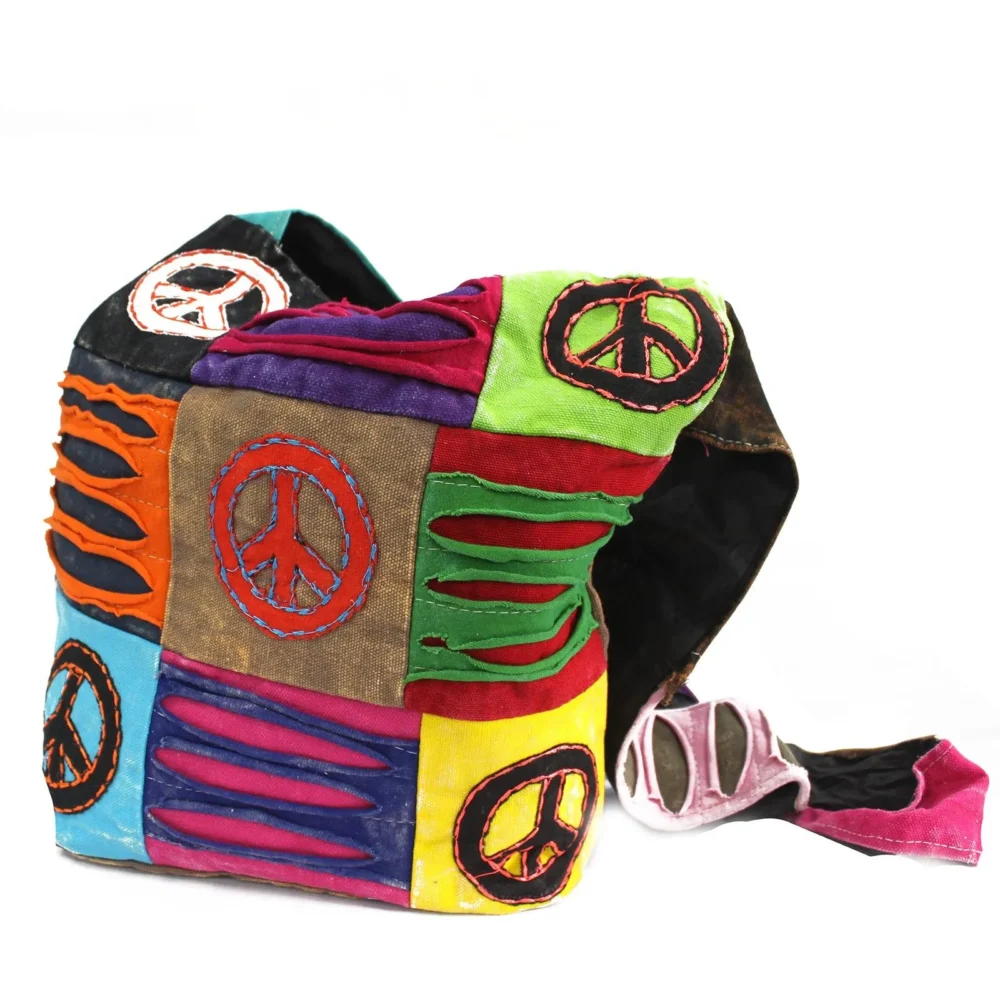
Which style suits your practice?
There is no single best yoga mat bag. The right one depends on where you practise, how much you carry and whether your yoga gear spends most of its life tucked behind the sofa or comes everywhere with you.
The classic cylindrical mat bag
This is the familiar zipped tube shape. It keeps a rolled mat protected, stays relatively compact and is easy to sling over your shoulder. It works brilliantly for regular studio-goers carrying a mat, keys and perhaps a small towel.
Its trade-off is space. Many cylindrical bags have only one small outer pocket, so they can feel cramped if you also need blocks, a jumper, a large water bottle or a change of clothes. Choose this style when your priority is a tidy, lightweight carry rather than an all-day kit yoga mat bag.
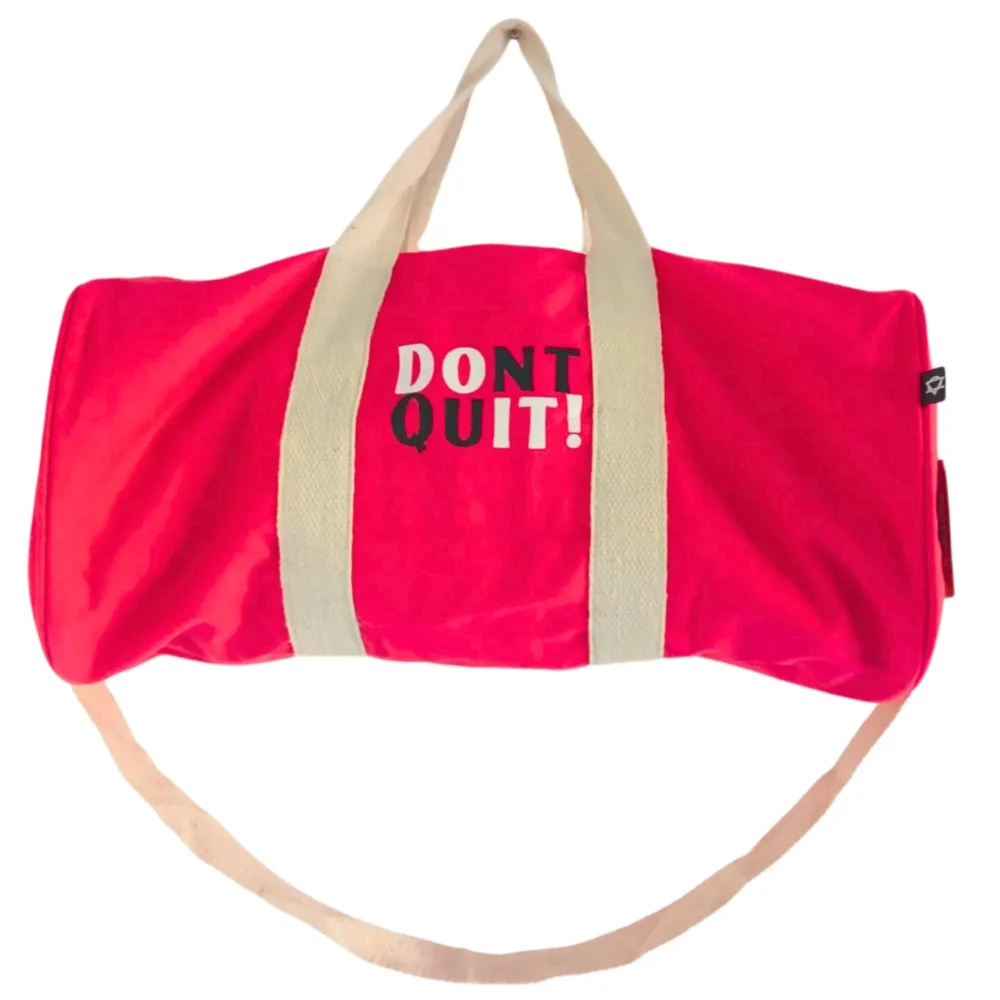
The open-top tote
A tote-style yoga mat bag feels more relaxed and can hold more than a tube bag. It is a lovely option for someone who heads from a class to brunch, work or a weekend away. You can often fit a mat alongside a book, layers, snacks and the small collection of essentials that seems to multiply in every tote.
The downside is less protection. An open yoga mat bag can let a mat slide about, catch drizzle or collect the mystery crumbs of daily life. Some mats may poke out at the top, too. It is a great choice for dry days and spacious packing, but a zipped tote is better if your commute involves British weather and public transport.

The sling or harness
A mat sling uses straps rather than a full bag. It is minimalist, fast to use and ideal for a mat that needs to breathe after a sweaty session. It also lets the print, texture or colour of your favourite mat do the talking.
That said, it does not provide storage or much protection. If you are the sort of person who only carries a mat, phone and keys, it is liberating. If you need hand sanitiser, water, straps, socks and a spare top, it can become faff very quickly.
The backpack-style carrier
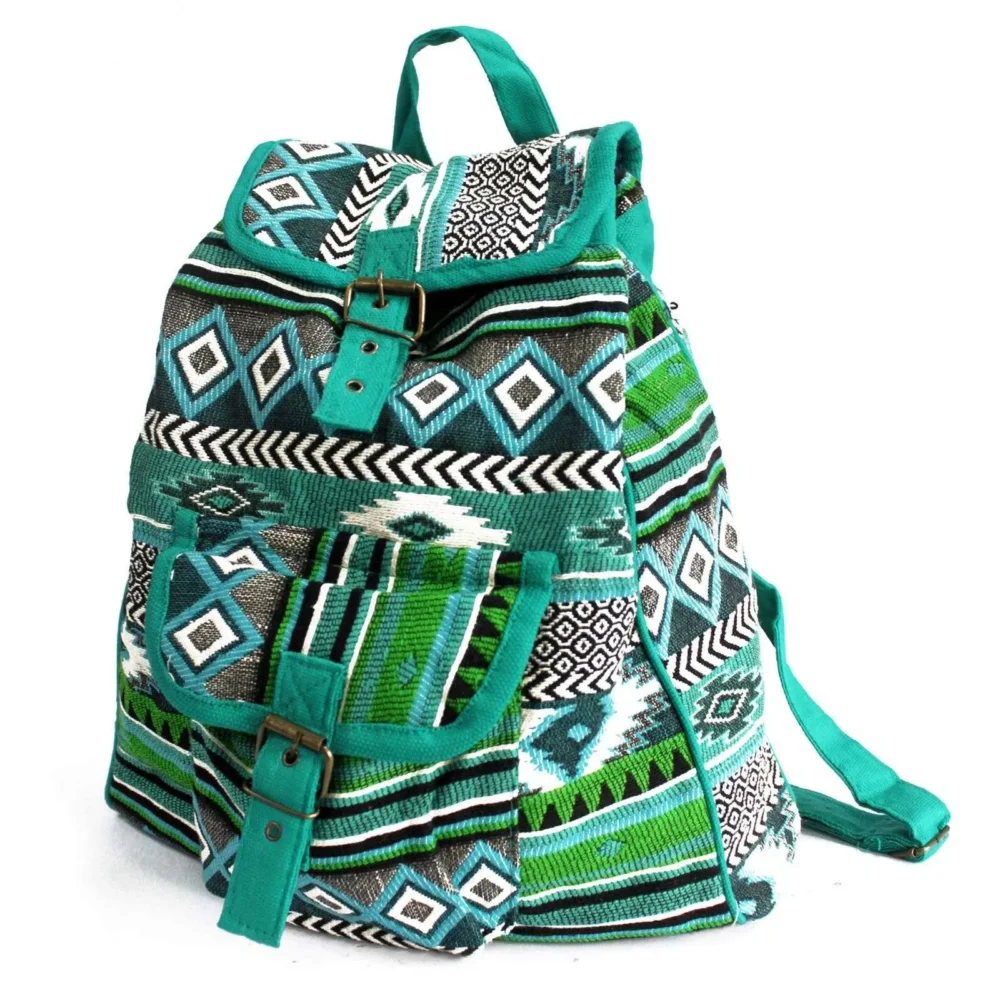
For cyclists, walkers and people who carry more kit than they planned to, a backpack-style yoga mat bag can be a game changer. The weight sits more evenly across both shoulders and your hands stay free for coffee, a ticket barrier or an enthusiastic dog lead.
These are usually bulkier, and a large backpack can be overkill for a 10-minute walk to a local class. But for commuting, festivals, retreats and day trips, the extra structure and pockets make real sense.
Pockets are not a minor detail
A small zipped pocket stops keys scratching your phone and gives loose bits a proper home. An external bottle pocket means you can grab a drink without rooting around next to your mat. Internal compartments can be useful for separating clean clothes from a used towel, although too many tiny sections can steal space from the main compartment.
Think honestly about what comes with you. A bare-minimum class setup might need only keys, phone and a small purse. A before-or-after-work practice may call for deodorant, a hair tie, water, socks, a notebook, a snack and a change of clothes. Buy for your usual reality, not the version of yourself who travels light once a year.
If you are choosing a yoga mat bag as a gift, storage is one of the safest things to get right. A roomy pocket is useful to nearly everyone, while a bag designed only for a super-thin mat can be a gamble unless you know exactly what they use.
Fabric, cleaning and real-life weather
Canvas and cotton yoga bags bring texture and a relaxed, bohemian feel. They are often soft, expressive and less sporty-looking, which is ideal if your kit is part of your personal style. They may need more care in wet weather, however, and a pale fabric will show marks sooner than a darker patterned design.
Synthetic fabrics are usually lighter, easier to wipe clean and better at resisting a shower. They suit busy commutes and outdoor classes, but the finish can feel more functional than special. Neither choice is automatically better. It depends whether your bag lives in a dry studio locker, gets tossed into a car boot or joins you on muddy park yoga mornings.
A washable or wipe-clean lining is a serious bonus. Mats pick up dust, grass and the occasional mystery mark, especially if you practise outdoors. Let your mat dry before putting it away whenever possible. A bag can help you carry your kit, but it cannot prevent that stale, damp-mat smell if everything is packed up straight after a hot class.
Also check the zip. It should run smoothly without catching the fabric, and ideally open wide enough that you are not wrestling your mat into place. A zip that stops halfway along the bag is not always bad, but it is less convenient with thicker mats.
Personality belongs in your yoga kit
There is a strange idea that wellness accessories must be neutral, minimalist and quietly serious. Hard pass. Your yoga practice can be calming without stripping out all the colour, pattern and character that make you smile.
A bold celestial print, a bright mandala, playful florals or an earthy woven texture can make a yoga mat bag feel more like an accessory than an afterthought. It is especially useful when buying a present for someone who already has the practical basics. A distinctive bag says you noticed their style, not just that you remembered they go to yoga on Tuesdays.
At Funky Stride, the best gift-worthy picks are the ones that balance useful design with a little bit of attitude. A bag should carry the kit, of course, but it can also bring more colour and funk to the walk there.
The verdict: choose for your actual routine
The best yoga mat bag is not necessarily the largest, the cheapest or the most stripped-back. It is the one that fits your mat without a fight, carries what you genuinely use and feels good to wear on an ordinary Wednesday. A slim cylinder suits light packers, a tote suits the carry-everything crowd, a sling works for minimalists and a backpack earns its keep on longer journeys.
Before choosing, roll up your mat, picture your usual route to class and count the things you always end up carrying. Then pick the bag that makes that small ritual easier – and makes you a little happier to leave the house with it.
Yoga Mat Bag Comparison: Style and Everyday Utility
| Bag Style | Ideal For… | Key Features and Design | Practicality and Everyday Rating |
| Full-Zip Canvas Sack | All-weather commuters, public transport users | Heavy-duty organic cotton, full-length zip, water-resistant coating, adjustable shoulder strap. | 9/10: Protects the mat completely from British rain and dirt; easy to slide thick mats in and out. |
| Open-Top Tote Bag | Studio regulars, prop lovers (blocks and straps) | Wide open top, internal zip pocket for valuables, dual carry handles, breathable design. | 8/10: Super versatile for holding extra gear, but leaves the top of your mat exposed to wet weather. |
| Minimalist Mat Sling / Harness | Light travellers, cyclists, studio-to-work routines | Adjustable quick-release buckles, ultra-lightweight, compact storage when not in use. | 7/10: Incredibly easy to use and roll up, but offers zero rain protection and no extra storage. |
| Gym Duffel with External Straps | Post-work yogis, multi-sport users | Outer luggage straps to secure the mat, shoe compartment, large capacity interior. | 8.5/10: Excellent all-in-one option for work clothes and water bottles, though bulkier to carry. |
Frequently Asked Questions (QandA)
Q1: What should I look for in a yoga mat bag for daily UK commutes?
A: Priority number one is weather resistance and breathability. Look for heavy-duty cotton canvas with a water-resistant lining or treated polyester. Ensure the bag features full-length zips so you don’t struggle to force a rolled mat inside, along with a secure internal zipped pocket for keys, phone, and oyster/bank cards.
Q2: Will a standard yoga mat bag fit extra-thick or extra-wide mats?
A: Not always. Standard bags are designed for standard mats (around 61cm wide and 4–5mm thick). If you use a thicker studio mat (6mm–8mm) or a wider mat (like a Liforme or Manduka Pro), look specifically for “XL” or “Duffel Style” bags with a minimum diameter of 15–18cm when full.
Q3: Is a full-coverage bag better than a simple carrier sling?
A: It depends on your travel method:
- Full-coverage bags are far superior if you walk, cycle, or take public transport, as they shield your mat from rain, road splash, and grime.
- Carrier slings are ideal if you drive straight to the studio or prefer a quick, lightweight harness that takes up virtually no storage space at home.
Q4: How do I wash and maintain my yoga mat bag?
A: Most canvas and fabric yoga bags can be hand-washed or machine-washed on a gentle, cool cycle (30°C) using mild detergent. Always air-dry your bag naturally rather than tumble-drying to prevent shrinkage or damage to zip closures and inner waterproof coatings.
Q5: Are eco-friendly materials like organic cotton or hemp durable enough for everyday use?
A: Yes, heavyweight organic cotton canvas (12oz or higher) and hemp blend fabrics are exceptionally durable and naturally tear-resistant. They soften over time while retaining their shape, making them a sustainable and long-lasting choice for daily studio visits.