
Breathe Deeper: Unlocking the Science and Soul of Incense
Incense Sticks : The Ancient Scent Trail
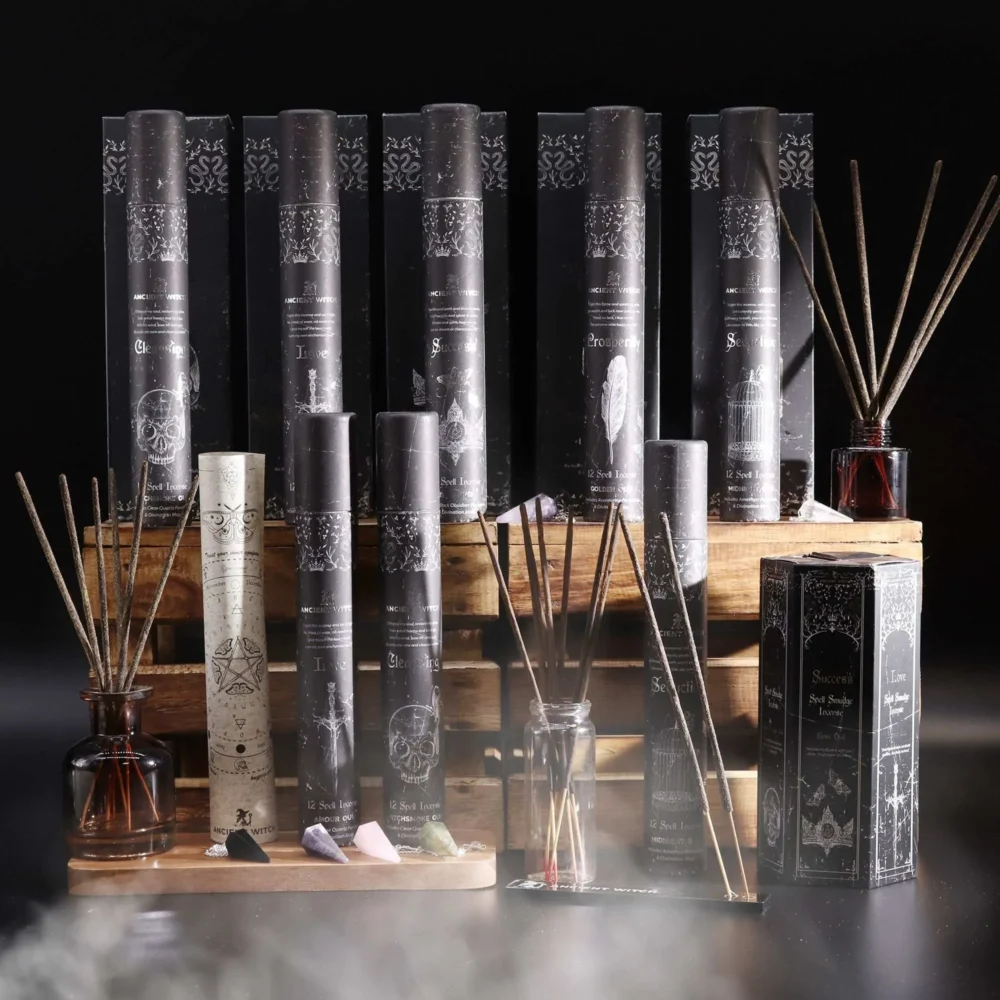
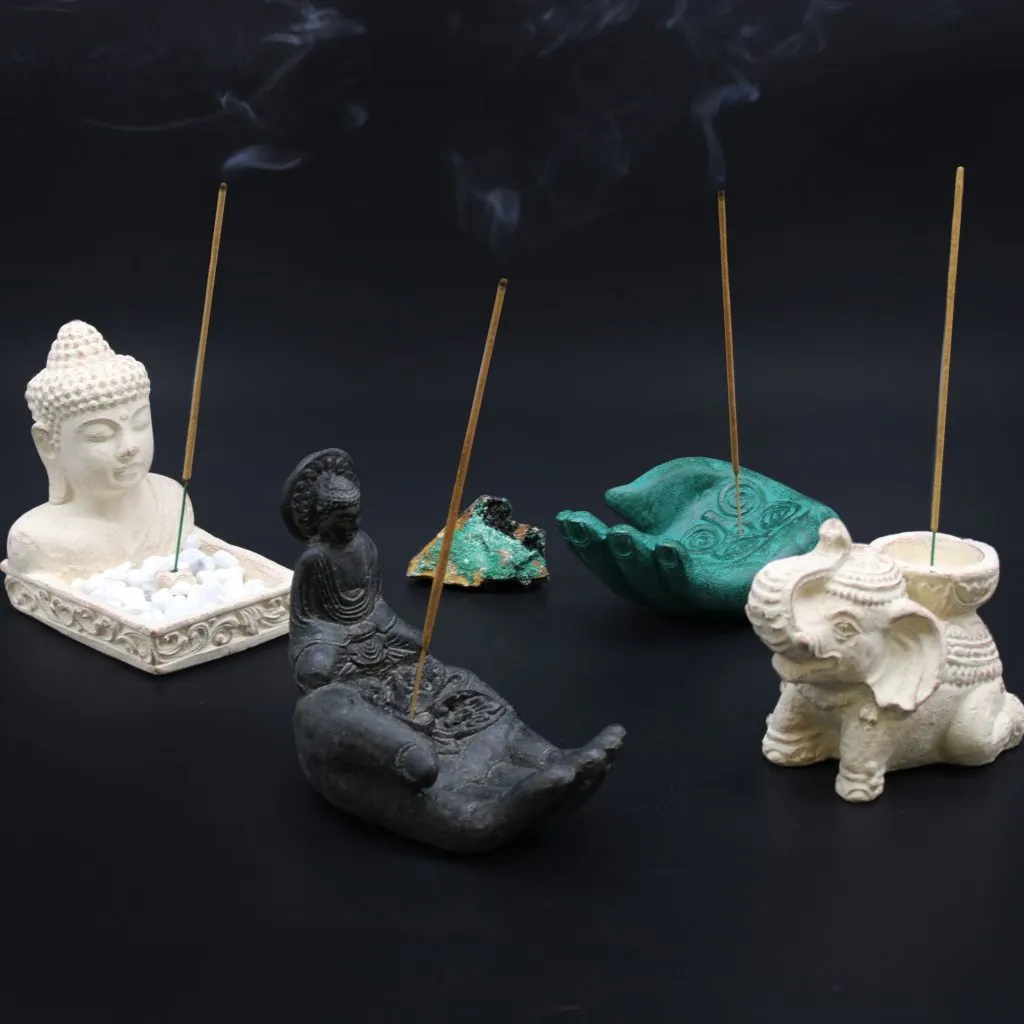
The sweet, earthy smoke of incense has captivated humanity for millennia. First, before it became a popular item in gift shops, incense played a vital role in cultures across the globe. Therefore, understanding its history reveals its deep cultural significance. From temple rituals to modern wellness practices, the thin stick of fragrant material holds an incredible story. Using Incense sticks or incense cones are the best method of using incense in the home.
A Pervasive History: From Ritual to Trade
Incense is not a modern invention. Next, its use dates back to ancient Egypt and Babylon. Specifically, early incense was primarily resins and gums like frankincense (from the Latin franc encens, meaning “high quality incense”). Incense sticks and cones are the most common form of incense in the modern world.
- Ancient Egypt: In addition, priests burned Kyphi, a complex incense blend, to honor the gods and sanctify the pharaohs.
- India and Asia: Furthermore, around 3,000 BCE, Indian and Chinese cultures integrated incense into religious ceremonies (Buddhism, Hinduism) and medicinal practices.
- Global Trade: Consequently, the demand for rare resins drove massive trade routes, most famously the Incense Route, influencing global economics and cultural exchange for centuries.
The Scientific Basis for Wellness
Today, people primarily use incense sticks for its perceived benefits to the mind and spirit. For instance, certain scents are scientifically proven to affect mood, thanks to their impact on the limbic system.
- Linalool (Lavender/Rosewood): Specifically, studies show that the aroma of Linalool, a common component in many incense scents, can act as a powerful anxiolytic. This means it reduces anxiety and promotes calmness by regulating neurotransmitters.
- Aromatherapy: Furthermore, the fragrance molecules travel directly from the olfactory receptors in the nose to the brain’s limbic system. This region controls emotion, memory, and behavior. Ultimately, scents like Sandalwood and Frankincense are used to slow heart rate and prepare the mind for deep focus or meditation.
- Purification: While often viewed as spiritual, some resins like Palo Santo and Sage possess measurable antimicrobial properties, which can cleanse the air, lending a basis to the traditional use of ‘smudging.’
Potential Hazards: What to Watch For
While generally safe, there are hazards associated with burning any material indoors. First, always burn incense responsibly.
- Air Quality: Therefore, burning incense produces fine particulate matter (smoke). Over time, poor ventilation can affect indoor air quality.
- Allergies: Next, synthetic or heavily perfumed sticks can trigger allergies, asthma, or headaches in sensitive individuals.
- Safety: Consequently, always use a non-flammable holder and ensure ashes fall onto a safe surface. Never leave burning incense unattended.
The “Hippie” Connection: Incense in Counterculture
In addition, incense experienced a massive resurgence in the West during the 1960s and 70s.
- Cultural Exchange: Specifically, the counterculture movement embraced Eastern philosophies, including yoga and meditation, bringing with it the popularity of Indian and Tibetan incense (often Nag Champa).
- Aesthetic: Furthermore, the strong aromas helped cover other scents and became intrinsically linked to the relaxed, bohemian aesthetic of the era.
- Accessibility: Ultimately, incense became a simple, affordable tool for enhancing mood and setting a relaxed, spiritual atmosphere in homes and communal spaces.
Conclusion: Smoke Signals Continuing Tradition
The humble incense stick is far more than just a room freshener. It is a powerful link to ancient rituals, a simple tool for modern wellness, and a symbol of bohemian free-spiritedness. Moreover, when burned mindfully, incense can transform any space into a sanctified haven. At Funkystride we pride ourselves on our range of Incense Sticks. They offer great Value and a huge range to suit all tastes.
Spiritual jewellery trends 2026 bring talismans, crystals, celestial symbols and joyful colour into focus. Find meaningful gifts with a bit…
Tarot reading is a colourful ritual for reflection, connection and gifting. Learn how to choose cards, ask better questions and…
Learn how to play tongue drums with simple first rhythms, hand techniques and feel-good practice ideas for calm, colourful musical…
Find the best gothic home accessories for candles, corners and cosy nights – from ravens and spellbinding scents to lighting…
Our guide to incense safety helps you enjoy fragrant rituals at home, with sensible tips on burners, ventilation, pets, children…
Searching for the best alternative gifts for dads? Find colourful, thoughtful ideas for music fans, homebodies, yogis and brilliant oddballs…
Do salt lamps get hot? Find out what warmth is normal, how to place yours safely, and when a hot…
Learn how to build a festival kit with colourful comforts, clever essentials and feel-good extras for camping, day festivals and…
Bohemian lifestyle trends are getting warmer, more personal and less throwaway. Bring home colour, calm, craft and seriously good gifting…
A guide to expressive socks for bold patterns, cosy fabrics and gift-ready pairs that put personality under every outfit, from…
Find the best celestial lighting ideas for cosy bedrooms, witchy corners and gifts that make every room feel a little…
Find the best novelty socks for adults: cosy, colourful statement pairs and odd gift ideas made for comfort, character and…
Massage gun vs roller: see how pressure, price and portability compare, then choose a feel-good muscle-care gift for yoga, gym…
Why wear toe socks? From less toe-on-toe rubbing to cosy warmth and standout style, see when five-toe socks make everyday…
A guide to moon phase journals for tracking feelings, intentions and rituals, with easy prompts to bring a little lunar…
Our guide to hand percussion instruments helps you pick joyful drums, shakers and more, whether you are gifting a beginner…