

Breathe Deeper: Unlocking the Science and Soul of Incense
Incense Sticks : The Ancient Scent Trail
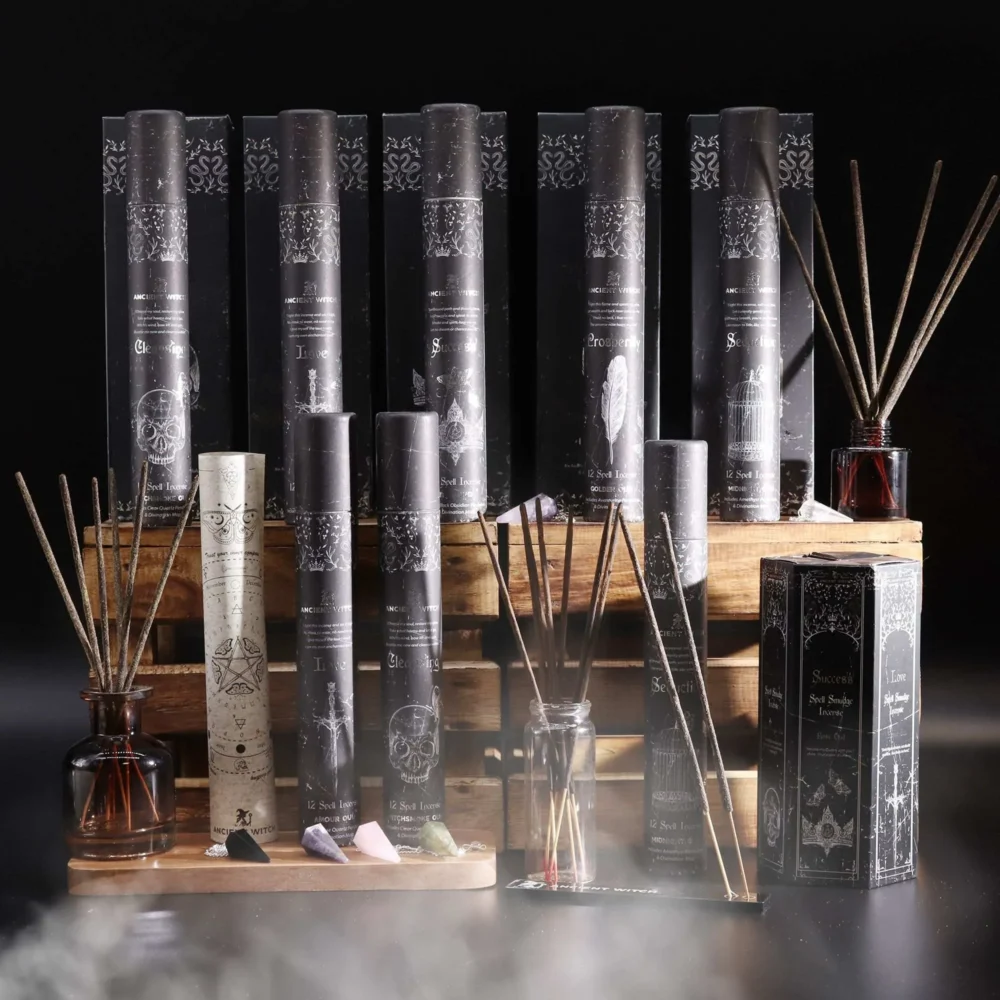
The sweet, earthy smoke of incense has captivated humanity for millennia. First, before it became a popular item in gift shops, incense played a vital role in cultures across the globe. Therefore, understanding its history reveals its deep cultural significance. From temple rituals to modern wellness practices, the thin stick of fragrant material holds an incredible story. Using Incense sticks or incense cones are the best method of using incense in the home.
A Pervasive History: From Ritual to Trade
Incense is not a modern invention. Next, its use dates back to ancient Egypt and Babylon. Specifically, early incense was primarily resins and gums like frankincense (from the Latin franc encens, meaning “high quality incense”). Incense sticks and cones are the most common form of incense in the modern world.
- Ancient Egypt: In addition, priests burned Kyphi, a complex incense blend, to honor the gods and sanctify the pharaohs.
- India and Asia: Furthermore, around 3,000 BCE, Indian and Chinese cultures integrated incense into religious ceremonies (Buddhism, Hinduism) and medicinal practices.
- Global Trade: Consequently, the demand for rare resins drove massive trade routes, most famously the Incense Route, influencing global economics and cultural exchange for centuries.
The Scientific Basis for Wellness
Today, people primarily use incense sticks for its perceived benefits to the mind and spirit. For instance, certain scents are scientifically proven to affect mood, thanks to their impact on the limbic system.
- Linalool (Lavender/Rosewood): Specifically, studies show that the aroma of Linalool, a common component in many incense scents, can act as a powerful anxiolytic. This means it reduces anxiety and promotes calmness by regulating neurotransmitters.
- Aromatherapy: Furthermore, the fragrance molecules travel directly from the olfactory receptors in the nose to the brain’s limbic system. This region controls emotion, memory, and behavior. Ultimately, scents like Sandalwood and Frankincense are used to slow heart rate and prepare the mind for deep focus or meditation.
- Purification: While often viewed as spiritual, some resins like Palo Santo and Sage possess measurable antimicrobial properties, which can cleanse the air, lending a basis to the traditional use of ‘smudging.’
Potential Hazards: What to Watch For
While generally safe, there are hazards associated with burning any material indoors. First, always burn incense responsibly.
- Air Quality: Therefore, burning incense produces fine particulate matter (smoke). Over time, poor ventilation can affect indoor air quality.
- Allergies: Next, synthetic or heavily perfumed sticks can trigger allergies, asthma, or headaches in sensitive individuals.
- Safety: Consequently, always use a non-flammable holder and ensure ashes fall onto a safe surface. Never leave burning incense unattended.
The “Hippie” Connection: Incense in Counterculture
In addition, incense experienced a massive resurgence in the West during the 1960s and 70s.
- Cultural Exchange: Specifically, the counterculture movement embraced Eastern philosophies, including yoga and meditation, bringing with it the popularity of Indian and Tibetan incense (often Nag Champa).
- Aesthetic: Furthermore, the strong aromas helped cover other scents and became intrinsically linked to the relaxed, bohemian aesthetic of the era.
- Accessibility: Ultimately, incense became a simple, affordable tool for enhancing mood and setting a relaxed, spiritual atmosphere in homes and communal spaces.
Conclusion: Smoke Signals Continuing Tradition
The humble incense stick is far more than just a room freshener. It is a powerful link to ancient rituals, a simple tool for modern wellness, and a symbol of bohemian free-spiritedness. Moreover, when burned mindfully, incense can transform any space into a sanctified haven. At Funkystride we pride ourselves on our range of Incense Sticks. They offer great Value and a huge range to suit all tastes.
Colourful home decor trends are bolder, warmer and more personal. Here’s how to use them without your space feeling chaotic…
Our affirmation card deck review looks at design, message quality, gift appeal and daily use, so you can pick a…
Find the best cosy home ambience gifts for warm, feel-good spaces – from candles and lighting to teas, textiles and…
A guide to expressive gift shopping for people who hate bland presents. Find personal, colourful gift ideas that match real…
Learn how to create a festival gift kit with practical, personality-packed ideas that feel useful, fun, expressive, and far from…
See the latest gifting trends for expressive shoppers, from mood-lifting homeware to wellness, spiritual finds and personality-packed presents.
Need wellness gift basket examples that feel personal, not bland? Try 12 colourful ideas with candles, teas, yoga, bath treats…
Oil burner vs diffuser: compare scent, style, safety and ease to find the right home fragrance pick for your space,…
Learn how to choose affirming clothing gifts that feel personal, inclusive and wearable – with smart tips on fit, style,…
Searching for the best gifts for free spirits? Find colourful, soulful and genuinely fun ideas that feel personal, expressive and…
Find top quirky gifts for book lovers, from cosy reading treats to bold bookish décor, for presents that feel personal,…
Looking for gifts for yoga lovers? Find colourful, calming and genuinely thoughtful ideas that feel personal, practical and a lot…
Find the best bohemian accessories for gifting, from jewellery and candles to festival-ready extras that feel personal, colourful and fun.
The Aromatherapy and Pet Safety Matrix: An Evidence-Based Guide for Holistic Homes This resource is an educational data compilation gathered…
Shop the best gifts for wellness lovers with ideas that feel personal, colourful and calming – from candles and crystals…
This guide to bohemian home ambience shows how to layer colour, texture, scent and lighting for a laid-back space with…